The Strange Ways Care Becomes a Ritual
A reflective look at the quiet choreography, language, and expectations surrounding modern joint care.
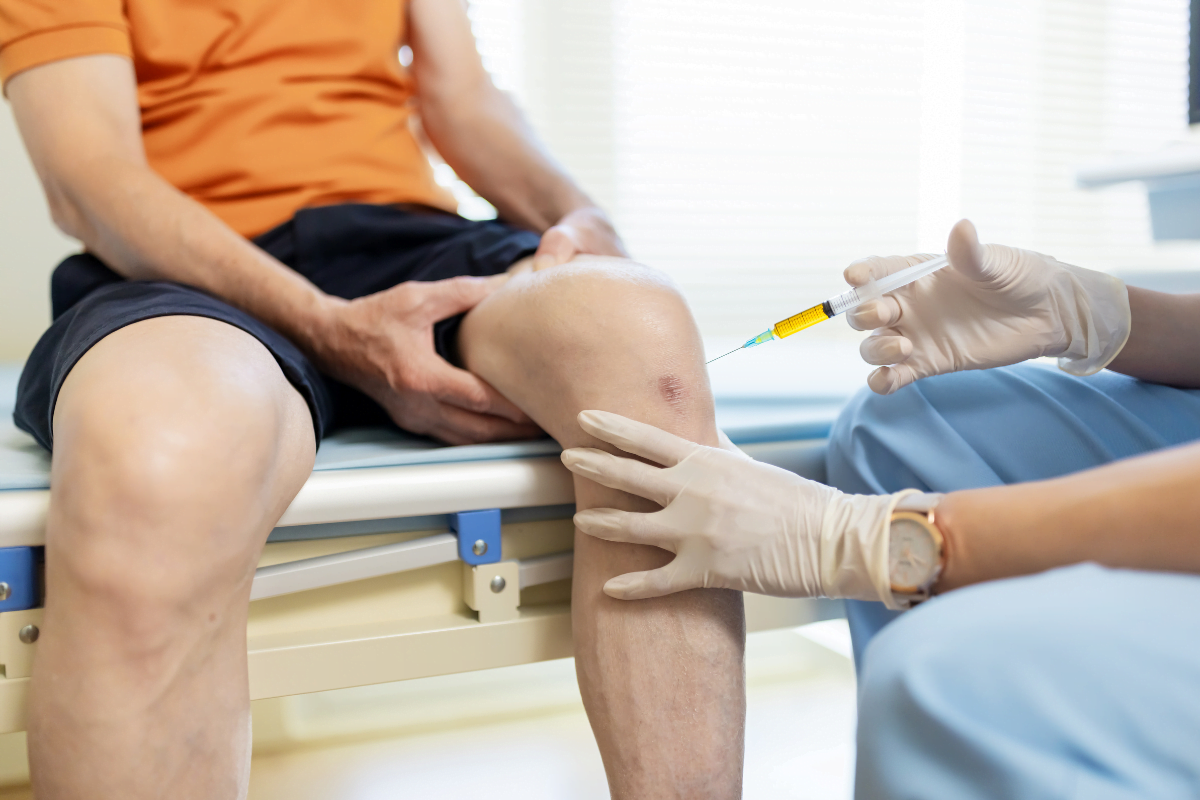
There are certain phrases that sound as if they wandered out of folklore and into a waiting room. They carry the texture of farmyards, old remedies, family stories, and half-remembered explanations passed across kitchen tables. Then, somehow, they end up attached to very modern forms of care.
That collision is what makes the idea behind rooster-comb-derived knee treatments so culturally interesting. Not because of the procedure itself, and not because the name needs to be made stranger or softer than it is, but because it reveals how people make meaning around the body when ordinary movement stops feeling ordinary.
A knee is rarely just a knee in everyday life. It is the hinge between independence and hesitation. It is the thing that makes stairs feel like architecture or like an obstacle. It is what turns a morning walk, a grocery run, a dance at a wedding, or kneeling in the garden into either background motion or a conscious negotiation. When attention gathers around such a humble joint, the conversation often becomes larger than anatomy.
The language people carry into care
Names matter. They shape how people imagine what is happening before they ever sit down in a clinical chair. Some terms sound sleek and technological. Others sound earthy, almost improbable. A phrase connected to rooster combs has that peculiar effect: it makes the body feel connected to nature, manufacturing, tradition, and science all at once.
That mix can be disorienting. People often arrive at health-related conversations with fragments rather than complete maps. A neighbor mentions something. A relative remembers a different version. A search result offers a tidy label. A clinic conversation adds another layer of formality. Between these points, the topic becomes less like a single answer and more like a collage.
The broader discussion, including resources such as this overview from Med Wholesale Supplies, reflects how easily a specific clinical subject can become part of a much wider curiosity about aging, movement, and the rituals of care.
The choreography behind the curtain
What is often overlooked is the choreography surrounding any appointment-based treatment. There is scheduling, preparation, paperwork, room turnover, expectation-setting, and the quiet choreography of people moving through a system designed to make care feel orderly. Even when the subject sounds unusual, the experience around it is often shaped by repetition and routine.
This is where the word “workflow” becomes unexpectedly human. It can sound like a spreadsheet word, cold and operational. But in practice, a workflow is also a way of reducing uncertainty. It is the receptionist knowing where a form belongs. It is the clinician remembering the small pauses that help a person feel oriented. It is the room arranged in a way that tells the next person, without fanfare, that they are expected.
Behind every clinical phrase is an ecosystem of gestures. The opening of a drawer. The checking of a chart. The softening of a voice when someone admits they are unsure what to expect. These details rarely appear in casual conversations, yet they shape how care is remembered.
When modern treatment sounds ancient
Part of the fascination here is the mismatch between source and setting. A material associated in popular imagination with an animal feature can seem oddly at home in the polished language of contemporary care. That contrast invites people to ask not only “What is it?” but “How did we arrive at a world where this belongs here?”
Modern life is full of these juxtapositions. We trust plants, minerals, laboratory processes, digital scans, old wisdom, new systems, and names we cannot pronounce. We move between skepticism and openness constantly. The body, meanwhile, remains stubbornly personal. It does not always care whether an explanation feels elegant. It asks for attention in its own blunt vocabulary: stiffness, caution, slowness, the little pause before standing up.
So people build stories around options. Some stories are hopeful. Some are wary. Some are inherited from communities where everyone knows someone who tried something and has an opinion about it. These stories do not replace professional judgment, but they do shape the emotional weather around a decision.
The knee as a measure of ordinary freedom
There is something quietly profound about how much of life depends on unremarkable motion. Most people do not celebrate bending, rising, turning, walking across a parking lot, or stepping off a curb until those acts begin demanding attention. Then the small mechanics of living acquire new drama.
That may be why conversations about knees can feel surprisingly intimate. They are about errands, work, play, travel, pride, frustration, and the fear of becoming smaller than one’s intentions. A person might not say all of that out loud. They may simply ask about an appointment, a product name, a timeline, or what others have experienced. Underneath, though, there is often a larger hope: to move through the day with less negotiation.
A curious name in a familiar story
In the end, the phrase that sparks curiosity is only one doorway into a familiar human pattern. We notice a change in the body. We search for language. We compare stories. We enter systems with their own rhythms and rules. We try to translate uncertainty into something manageable.
The strange name stays with us because it reminds us that care is never purely technical. It is cultural, emotional, logistical, and symbolic. It includes the polished clinic and the odd phrase, the appointment calendar and the private hope, the science-adjacent vocabulary and the very old desire to keep moving.
And perhaps that is why such topics linger. They sit at the intersection of the practical and the mysterious, where the body becomes both a machine that needs tending and a life story still unfolding one step at a time.
https://medwholesalesupplies.com/understanding-rooster-comb-injections-a-comprehensive-guide/