The Quiet Allure of Tools Made for Careful Hands
A reflective look at why precision objects capture our attention in a culture that keeps asking for more control.
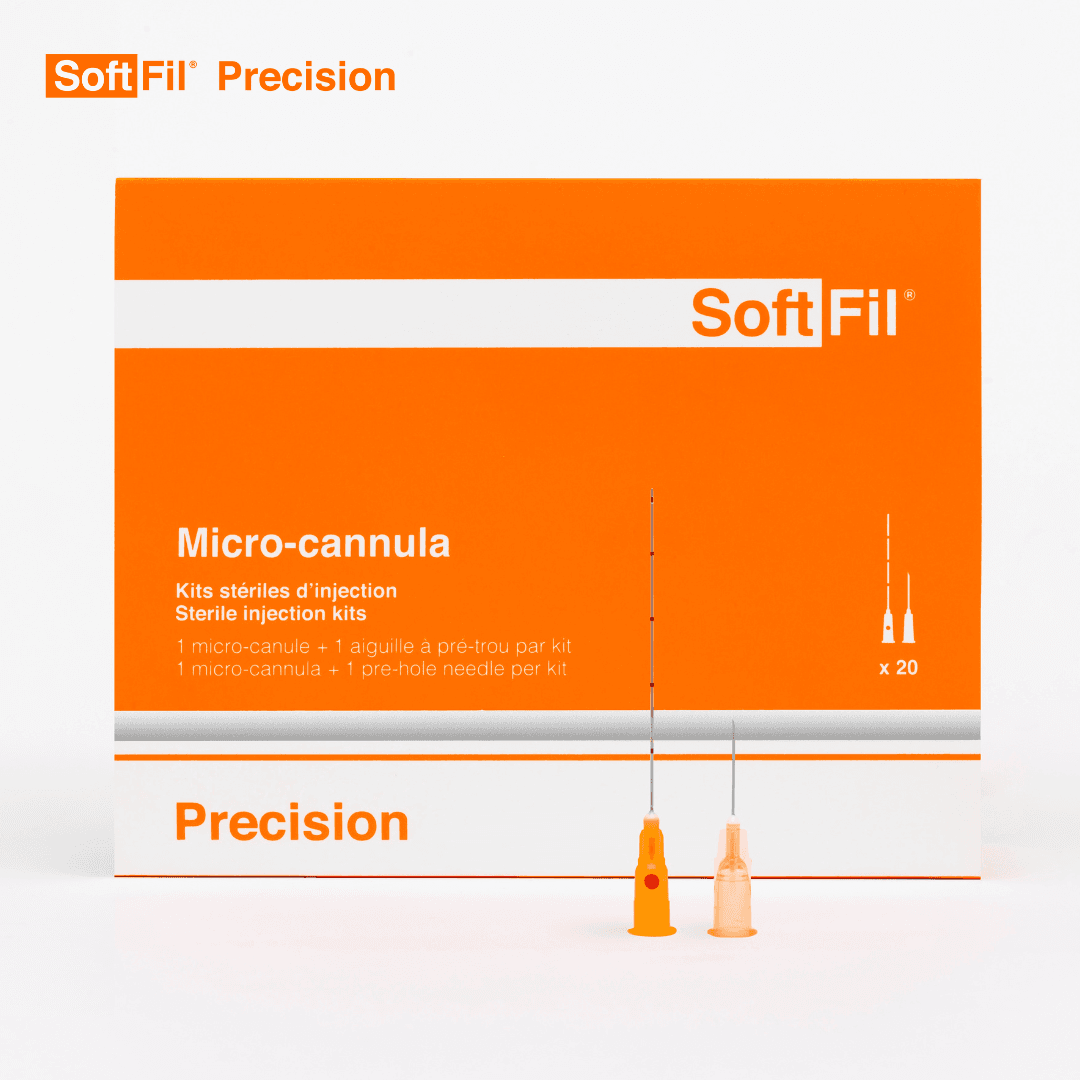
There is a certain kind of object that does not need to announce itself. It sits neatly in its category, shaped by intention, made for people who understand the value of small differences. It does not belong to the world of spectacle. It belongs to the world of steadiness.
That may be why precision tools often feel more interesting than they first appear. They carry a quiet confidence. Their meaning is not only in what they are, but in what they suggest: attention, restraint, preparation, and the human desire to do delicate things well.
In a marketplace crowded with bold promises and louder design, something slender, specific, and purposeful can feel almost countercultural. It asks to be noticed slowly.
The beauty of narrow purpose
Most everyday objects are built to do many things. Phones became cameras, notebooks became planning systems, kitchens became hybrid workspaces. We live among tools that stretch themselves across roles, always trying to be more useful, more connected, more universal.
A specialized object moves differently through the imagination. It is not trying to be everything. Its appeal comes from focus. A piece like the one listed by Med Wholesale Supplies belongs to that category of instruments whose presence points toward care, exactness, and a particular kind of practiced attention.
There is something calming about that. A narrow purpose can feel like a form of honesty. It says: this is not for every moment, but for the moment that requires it.
Precision as a cultural mood
Precision has become one of the defining desires of modern life. We track our sleep, refine our routines, curate our desks, adjust our lighting, and choose objects based on tiny differences in feel. Even outside professional settings, people have developed a sensitivity to details that previous generations may have left unnamed.
This does not mean everyone has become meticulous. It means the language of refinement has entered ordinary life. We notice edges, textures, weights, finishes. We compare the quietness of one hinge to another. We form opinions about pens, keyboards, blades, brushes, lenses, and handles.
Precision, in this sense, is not just a technical quality. It is an aesthetic. It is a mood. It reflects a wish for fewer accidents, fewer rough edges, and more trust in the things we place in our hands.
The more unpredictable the world feels, the more satisfying it can be to encounter an object that appears resolved. A well-considered tool suggests that someone has thought through the relationship between hand, material, and moment. That suggestion carries emotional weight, even before the object is used.
The language of delicate work
Some tools imply force. Others imply patience.
The latter often have a different emotional charge. They seem to belong to slower rooms, closer attention, and the kind of work where a movement may be small but meaningful. Their design tends to avoid drama. Instead, it favors control, consistency, and a certain humility.
That humility is easy to overlook. In a culture drawn to visible transformation, we often celebrate the finished result while forgetting the instruments that make subtle work possible. Yet tools shape behavior. The shape of a handle, the fineness of a tip, the balance of a small instrument: these things influence posture, tempo, and even confidence.
There is a quiet intimacy in that relationship. A tool made for careful hands does not simply perform a function. It creates a boundary around attention. It invites a person to slow down, to notice what is close, to respect the scale of the task.
Why small design choices feel larger than they are
Objects designed for specialized environments can appear almost unreadable to outsiders. Their proportions, materials, and naming conventions may seem technical or plain. But plainness can hide an entire philosophy.
A minimal design choice may exist because excess would get in the way. A slim profile may matter because bulk would change the experience. A clean surface may matter because distraction has no place there. Even packaging, labeling, and arrangement can signal a world where order is not decoration but part of the object’s meaning.
This is where precision tools become culturally fascinating. They remind us that design is not always about self-expression. Sometimes design is about disappearance. The best-considered object may be the one that allows attention to move past it and toward the work itself.
That kind of design rarely goes viral. It does not beg to be photographed beside coffee cups or stacked into lifestyle flat lays. It earns regard in quieter ways, through reliability, familiarity, and the sense that nothing unnecessary has been added.
A small object in a larger story
The fascination with careful instruments is ultimately a fascination with trust. We trust objects differently depending on how they feel, how they are presented, and what kind of world they seem to come from. Some objects feel casual. Some feel experimental. Others feel like they belong to a chain of practiced gestures.
That last category has its own gravity. It suggests continuity between maker, supplier, professional, and setting. It suggests that usefulness is not always loud, and that confidence can be built through repetition rather than spectacle.
There is also a human tenderness beneath the language of precision. To care about exactness is, in many cases, to care about experience. It is to believe that small differences matter, even when they are hard to describe. It is to resist the idea that close enough is always enough.
Perhaps that is why objects of this kind hold attention beyond their immediate category. They point toward a broader question: what do we reveal about ourselves through the tools we choose to trust?
In the end, the quietest tools can say the most. They speak of preparation without performance, purpose without excess, and the enduring appeal of things made for hands that know the value of being careful.
https://medwholesalesupplies.com/product/softfil-precision-micro-cannula-25g-50mm/