The Quiet Weight of Wanting Change
A reflective look at why certain names enter everyday conversation and become symbols for far more than a product page can hold.
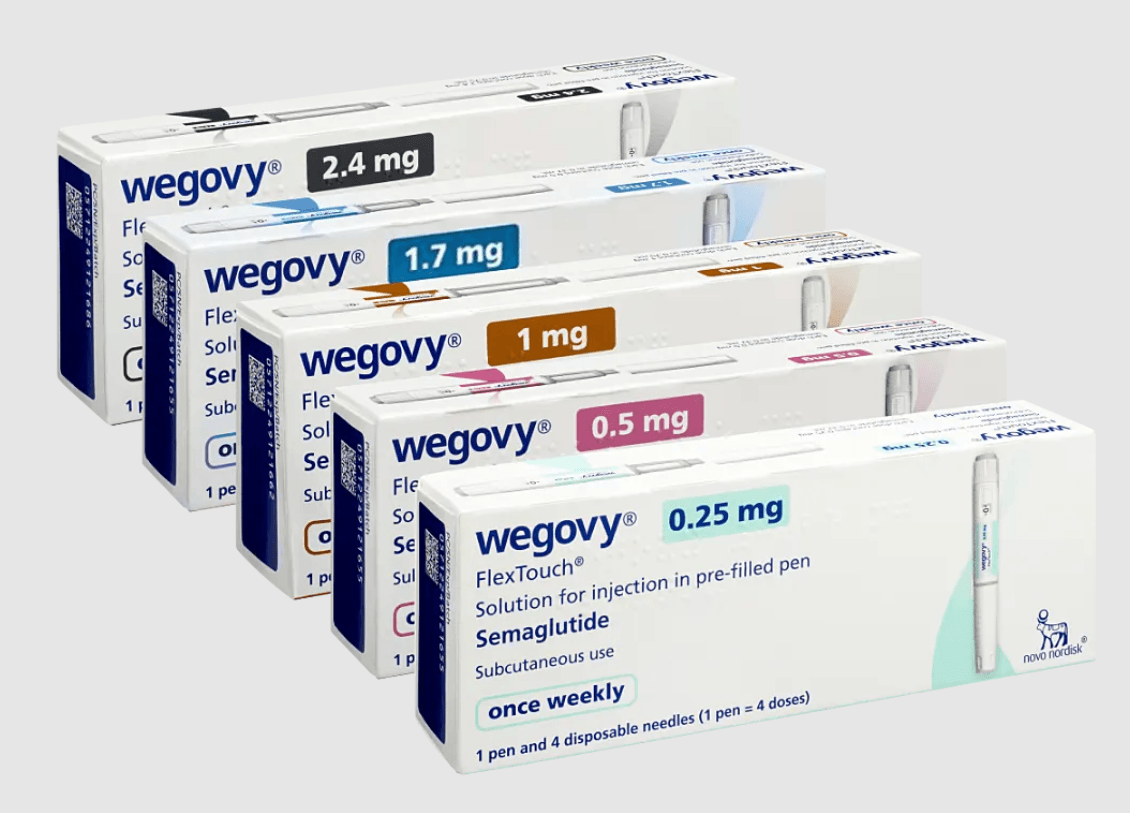
There are some words that arrive in public life carrying more than their syllables. They start as names attached to specific things, but quickly become shorthand for a whole atmosphere: curiosity, hope, skepticism, private longing, social noise. A name can become a mirror, and people begin to see in it whatever they were already thinking about change.
That is what makes a term like Wegovy feel larger than a listing on a health website. It sits at the intersection of bodies, identity, routine, and the modern desire for transformation. Mention it in a room and the conversation may not stay with the product itself for long. It might drift toward willpower, access, appearance, pressure, patience, or the strange way wellness culture has made everyone fluent in the language of optimization.
The new vocabulary of transformation
Every era has its favored words for reinvention. Once, people spoke about fresh starts through diets, gym memberships, wardrobe shifts, or seasonal cleanses. Later came trackers, apps, macros, wearable devices, and the endless promise that a better version of the self could be organized through data.
Now, certain health-related names circulate with unusual cultural force. They are discussed not only in clinics or pharmacies, but in group chats, podcasts, dinner conversations, and casual scrolling. They become part of the background weather of modern life.
The interesting part is not only that people are curious. Curiosity is easy to understand. The more revealing part is how quickly personal change becomes public material. Something intimate becomes something narrated. A decision that may begin quietly can be pulled into a much louder story about discipline, beauty, health, status, and belonging.
Between privacy and spectacle
The body has always been personal, but it has rarely been private. People read bodies. They make assumptions from them. They project stories onto them. In a culture built around images, that reading can feel constant.
So when a name associated with body change becomes widely recognized, it enters a complicated emotional landscape. For some, it may represent possibility. For others, unease. For many, both feelings can exist at once. That tension is part of why the topic lingers.
There is also a quiet contradiction in how society talks about change. People are encouraged to improve themselves, but judged for wanting improvement too visibly. They are told to be healthy, but also to appear effortless. They are praised for transformation, yet questioned about the means. The rules are blurry, and the expectations keep moving.
In that sense, the conversation is not really about one name. It is about the emotional cost of living in a world where bodies are treated as both homes and announcements.
The product page as cultural artifact
A page such as the one at Border Free Health may seem straightforward on the surface: a destination for people looking up a specific name. But viewed from a distance, it is also part of a much wider pattern. Search behavior reveals what people hesitate to ask out loud. The internet becomes a confessional with a search bar.
People look things up when they are curious, uncertain, embarrassed, hopeful, or simply trying to understand why everyone else is talking. The act of searching can be a small, private ritual. It allows a person to stand near an idea without fully stepping into it.
That is one of the underrated features of digital life: it gives people a place to linger. Not commit, not declare, not explain. Just linger.
Why the conversation feels different now
What makes today’s atmosphere distinct is the blending of medical language with lifestyle language. Words that once belonged to specialized settings now move through everyday culture with surprising ease. People discuss them alongside meal routines, mental load, clothing sizes, social media trends, and long-term self-image.
This blending can make everything feel both more accessible and more confusing. A name may be widely recognized without being widely understood. Familiarity can create the illusion of clarity. When everyone has heard of something, it can feel as though everyone knows what it means, even when their meanings differ wildly.
That gap between recognition and understanding is where much of the cultural energy gathers. The name becomes a container. Some fill it with optimism. Others fill it with suspicion. Others approach it with the tired practicality of people who have tried many forms of change and know that no path is as simple as outsiders imagine.
The softer question underneath
Beneath the noise is a more human question: what do people hope will change when they imagine change?
Sometimes the answer is practical. Sometimes it is emotional. Sometimes it is about comfort, confidence, movement, visibility, invisibility, or relief from the endless internal narration that can accompany living in a body under scrutiny.
That does not make every hope simple, and it does not make every cultural conversation fair. But it does suggest that behind the buzz around any prominent health-related name, there are quieter stories. People are often not only chasing an outcome. They are trying to renegotiate their relationship with themselves.
The public conversation may flatten that into trends and takes. The private experience is usually less tidy.
A name, a moment, a mirror
The reason certain names travel so quickly is not only because of what they are. It is because of what the culture is ready to attach to them. Wegovy, as a recognizable term, has become part of a broader moment in which people are reconsidering the boundaries between health, identity, technology, and choice.
It is easy to reduce such moments into arguments. For or against. Curious or critical. Hopeful or wary. But the more interesting space may be the one in between, where people are still observing, still wondering, still sorting through what change means when it becomes both deeply personal and widely discussed.
Perhaps that is why the conversation feels so charged. It is not simply about a product name. It is about expectation. It is about the stories people inherit about bodies and effort. It is about the strange modern habit of turning private longing into public vocabulary.
And it is about the quiet fact that change, however it is imagined, rarely belongs to one category. It lives somewhere between desire and discomfort, between possibility and pressure, between what people say and what they search for when no one is watching.