A Small Bottle, Like a Pause in the Room
Some objects arrive with almost no story on the surface, yet still carry the weight of trust, routine, and careful attention.
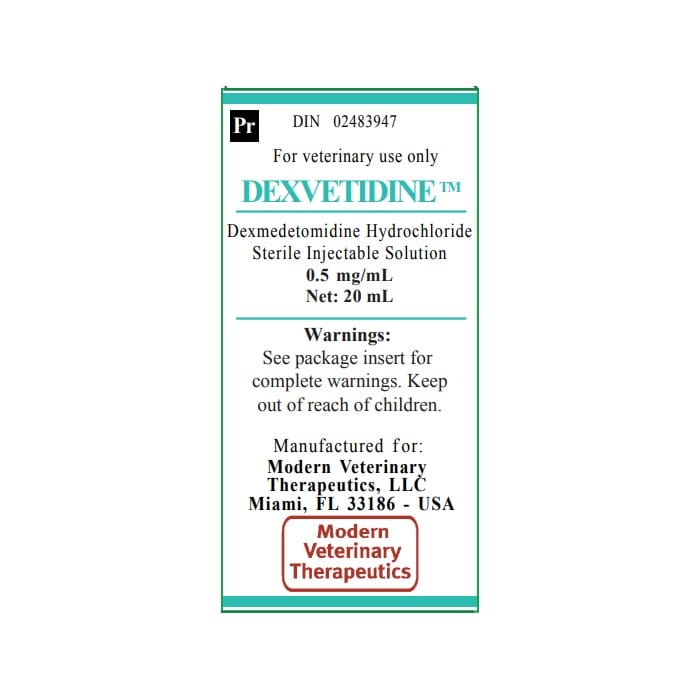
Some products announce themselves loudly. They come wrapped in promises, lifestyle language, and the kind of branding that wants to become part of a person’s identity. And then there are objects that do the opposite.
A plain vial belongs to that second category. It doesn’t ask to be admired. It doesn’t perform. It sits in the world with a kind of quiet seriousness, as if its entire purpose is to remind us that not everything important arrives in dramatic packaging.
I found myself thinking about that while looking at a listing for Dexvetidine Vial. Not because the page tries to tell a sweeping story, but because it doesn’t. The simplicity of it creates its own atmosphere. A small container, a label, a sense of intended use, and suddenly you are face to face with a category of object that lives far outside the language of impulse buying.
The emotional weight of ordinary containers
There is something oddly revealing about the items people rarely talk about unless they need them. These things tend to exist in the background of life, yet they carry an outsized emotional charge. A mug can be casual. A notebook can be aspirational. But a vial feels different. It implies preparation. Precision. Responsibility. It belongs to a world where details matter, even if the object itself looks modest.
That may be why clinical-looking products often seem more symbolic than decorative. They represent a kind of trust in systems, routines, and careful handling. Even when you know almost nothing about the item itself, the format tells a story. Glass, cap, label, measured contents: together they communicate restraint. Nothing extra. Nothing ornamental. Just function with a very specific kind of gravity.
Why minimal objects stand out
We live in a time when almost everything is expected to explain itself instantly. If an object appears online, it usually arrives with a personality. It wants to be friendly, sleek, clever, or disruptive. A vial resists that script. It doesn’t become more interesting by trying harder. In fact, its restraint is the whole point.
That restraint can feel almost unfamiliar now. Instead of asking for attention, it asks for respect. Instead of inviting fantasy, it suggests procedure. It reminds us that some parts of life are less about self-expression and more about stewardship—keeping things in order, following through, noticing what is needed when it is needed.
In that sense, the object becomes bigger than itself. It stands for all the quiet infrastructure around care: shelves, drawers, checklists, conversations, reminders, labels read twice, moments of pause before action. The vial is small, but it belongs to a much larger choreography.
The aesthetics of seriousness
There is also a visual language here that people recognize immediately, even if they never stop to name it. The clean container, the controlled presentation, the absence of decoration—these cues create a feeling. Not glamour, exactly. More like seriousness distilled into an object.
And seriousness has its own strange beauty.
Not the beauty of abundance, but the beauty of intention. The beauty of something made not to charm but to serve. We don’t often celebrate that aesthetic outside professional spaces, yet it shapes how we interpret reliability every day. A plain object can feel reassuring precisely because it has not been stylized into entertainment.
That’s an interesting contradiction of modern consumer culture: the less an item tries to become a personality, the more it can feel anchored in reality.
Objects that belong to routines, not performances
Maybe that is what makes certain listings linger in the mind. They hint at routines already in motion. Not glamorous routines, not the kind that make it into montages or social posts, but the real ones: the repetitive, attentive acts that hold households and workplaces together.
A vial suggests sequence. First this, then that. Store carefully. Handle thoughtfully. Return it to its place. It belongs to the same universe as neatly folded instructions, labeled compartments, and quiet check-ins. There is a humility in that. The object is not the center of the story. It is one piece in a chain of actions that only makes sense because someone is paying attention.
And perhaps that is the deeper reason these objects feel so weighty. They are reminders that care is often procedural before it is poetic. It happens through repeatable acts. Through systems. Through things that look plain until you realize how much trust has been placed in them.
A different kind of presence
Some items are memorable because they are expressive. Others are memorable because they are still.
A vial belongs to the second kind. It creates presence through understatement. It says very little and, in doing so, brings a surprising amount into view: the human preference for order when stakes feel high, the comfort of clearly defined roles, the quiet relief of objects designed for a purpose rather than a mood.
That may be why such a small container can feel larger than its dimensions. It is not just an object on a page. It is a symbol of the parts of life that depend on steadiness. In a culture that often rewards noise, there is something unexpectedly moving about that.
Sometimes the most revealing objects are the ones that refuse to become metaphors.
And yet, somehow, they do anyway.