Choice feels simple until the shelf gets crowded
In treatment spaces, selection is rarely just technical; it becomes a small story about taste, trust, and the mood of modern skincare.
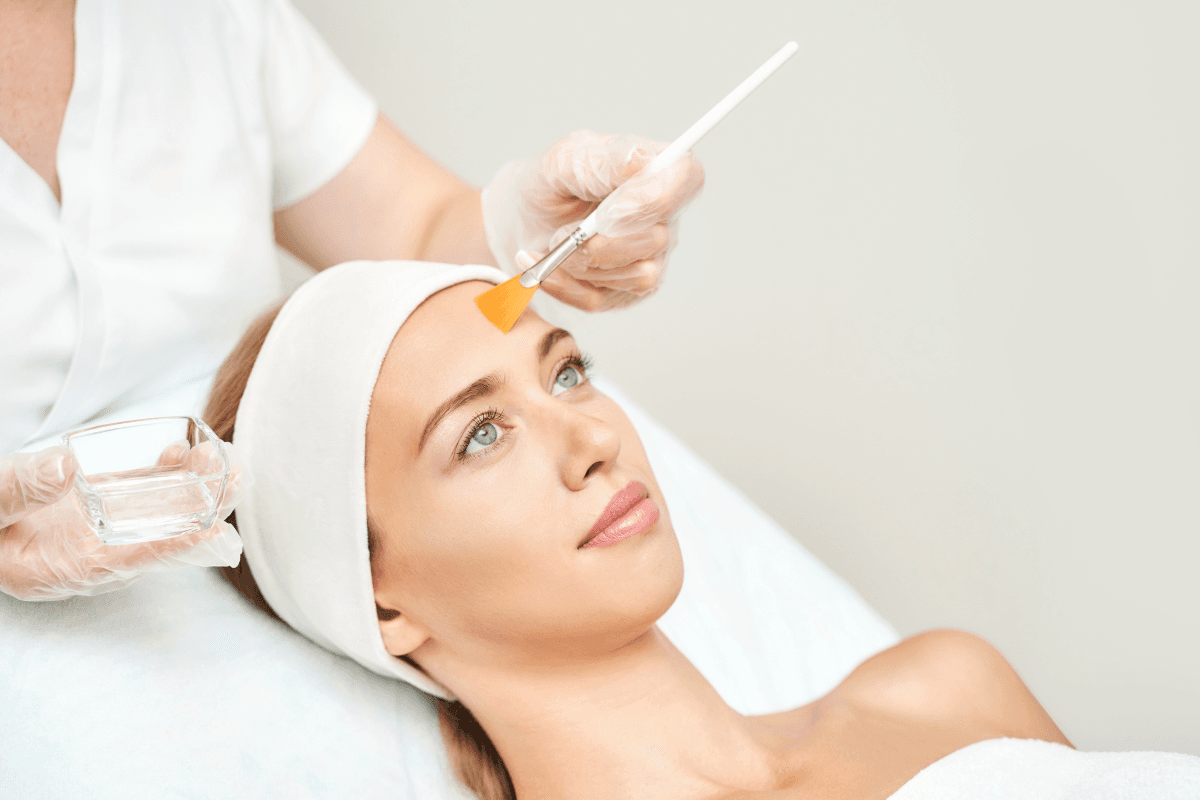
There is something quietly revealing about the way professional skincare gets discussed. On the surface, it sounds like a matter of products, categories, and preferences. But spend even a little time around clinic culture and another layer appears: selection is never only selection. It is atmosphere. It is philosophy. It is a way of saying what kind of care a space believes in.
When a range of peels enters the conversation, the language tends to become both practical and strangely symbolic. People talk about compatibility, confidence, familiarity, reputation. They mention shelves, routines, protocols, presentation. Underneath all of that is a softer question: what makes something feel right for a particular room, practitioner, or moment?
The treatment menu as a kind of identity
A clinic menu can look neat and simple when printed on a page, but it usually represents a long chain of decisions. Not dramatic ones, necessarily. More like the gradual shaping of taste.
One professional may be drawn to systems that feel elegant and disciplined. Another may prefer flexibility, variety, or a sense of customisation. Some are reassured by consistency. Others are interested in breadth. The point is not that one mindset is better. It is that product selection often becomes a quiet expression of character.
That is why ranges like the one referenced in these selection notes tend to attract more than technical attention. They sit inside a wider culture where skincare is part treatment, part language, part performance of trust. Even the labels and naming conventions can shape expectation before anything else happens.
Why the professional setting changes the mood
The same category can feel completely different depending on where it appears. In a retail environment, skincare is often wrapped in aspiration. At home, it is tangled up with habit. In a clinic, though, it becomes something more structured. The setting suggests deliberation.
That shift matters. A professional environment invites people to read products differently. A bottle or peel is no longer just an item. It becomes part of a workflow, part of a consultation, part of a visible system. In that context, selection takes on a ceremonial quality. What is included signals seriousness. What is excluded signals restraint.
This may be why people often overestimate how straightforward these decisions are. From the outside, a treatment range can seem like a solved puzzle. From the inside, it is usually a moving balance between confidence, usability, familiarity, and the general feeling a clinic wants to create.
More than function, less than fashion
Professional skincare lives in an interesting middle ground. It is not exactly trend-proof, but it does not move at the same speed as beauty culture online. It borrows some of beauty's visual language while trying to keep a certain distance from hype.
That tension can be seen in how practitioners talk about options. There is often a wish to remain grounded while still being responsive to what clients notice, ask about, or arrive already curious about. The result is a kind of selective openness: interested, but not easily dazzled.
And that may be the most human part of the whole subject. Choosing what belongs in a clinic is partly about outcomes people hope for, but it is also about mood management. Too many options can create noise. Too few can feel rigid. A well-chosen range often gives the impression of calm, which is not the same thing as simplicity.
The hidden work of narrowing down
Curation is one of those activities that looks effortless only when someone has done it well. In treatment spaces, that hidden work matters. It affects how conversations begin, how confidently choices are framed, and how coherent an overall service feels.
There is also a subtle difference between having many things available and making them legible. A professional range has to make sense not just on a shelf, but in a sequence of decisions. It has to fit the rhythm of real appointments, real preferences, real limitations of time and attention.
Maybe that is why selection notes feel more interesting than they first appear. They hint at the part people do not always see: the narrowing, the comparison, the quiet elimination of things that do not belong. Not because they are bad, but because every curated space eventually has to decide what story it is telling.
And in skincare, story is never just decoration. It shapes confidence. It shapes expectation. It shapes whether a treatment feels like a random offering or part of a considered whole.
So much of modern beauty culture is built on abundance, on the promise that more choice is always more freedom. Clinical spaces suggest a gentler counterpoint. Sometimes confidence comes not from endless possibility, but from thoughtful limitation. Sometimes the most interesting thing about a professional range is not what it includes, but the kind of clarity it allows.
https://medwholesalesupplies.com/mediderma-peel-products-professional-skincare-range/