Comfort foods are rarely just about comfort
Cheese carries nostalgia, habit, and negotiation all at once—especially when everyday eating starts to feel more intentional.
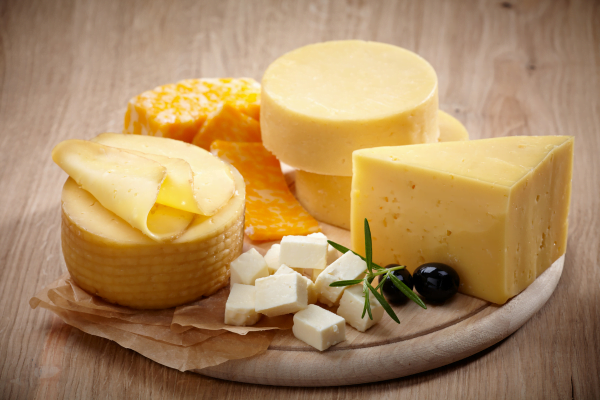
Some foods arrive with a whole atmosphere around them. Cheese is one of those foods. It is picnic food, late-night food, holiday-board food, the thing melted over something ordinary to make the day feel briefly improved. It can seem almost too familiar to examine closely, which is probably why it becomes interesting the moment someone starts paying attention to it.
That attention changes the mood of eating. A casual slice becomes a choice. A generous handful becomes a pause. Suddenly a food that once lived in the background starts asking to be noticed—not in a dramatic way, but in the quiet way routine often does when life becomes more deliberate.
A recent piece on cheese and everyday choices captures that shift well. Not because cheese becomes mysterious, but because it stops being automatic.
The strange seriousness of familiar foods
There is something revealing about the foods people rarely question. Bread, coffee, cheese, crackers, the little additions that make a meal feel complete—these are often less about hunger than about rhythm. We reach for them because they belong to a pattern. They help the day cohere.
Cheese especially has a talent for hiding inside habit. It is tucked into sandwiches, scattered over pasta, paired with fruit, folded into eggs, offered at gatherings as if it were simply part of the furniture. It can play luxury and convenience at the same time. A wedge on a wooden board suggests leisure; a wrapped slice suggests efficiency. The range is part of its cultural charm.
That is why any conversation about “better choices” around cheese feels bigger than cheese. It touches the modern urge to renegotiate comfort without surrendering it. People do not usually want a new personality in the kitchen. They want the old pleasures, just with a little more awareness attached.
Portion is often really a story about mood
When people talk about portions, they often sound as though they are talking about measurement alone. But portions are also emotional. They reflect whether dinner feels hurried or calm, whether lunch is an afterthought, whether a snack is standing in for rest, distraction, or reward.
Cheese fits neatly into that emotional landscape because it is dense with meaning long before it reaches the plate. It can symbolize indulgence, thrift, hospitality, even self-soothing. A small amount can feel elegant. A large amount can feel carefree. The same food changes character depending on context.
This is why “choosing better types and portions” resonates beyond nutrition language. It is really about relearning scale in a world that often confuses abundance with satisfaction. More flavor is not always more pleasure. Sometimes the most memorable foods are the ones that show up with clarity rather than excess.
Taste has become more reflective
One of the more interesting shifts in food culture is that people increasingly talk about eating as a form of interpretation. Not just whether something tastes good, but what kind of life it belongs to. Does it feel steady? Social? Overcomplicated? Sustainable for a Tuesday, not just a celebration?
Cheese is a perfect lens for that question because it can swing between simplicity and overstatement so easily. It can be a modest accent or the entire mood of a meal. It invites people to notice texture, richness, saltiness, pairings, and stopping points. In that sense, it rewards attention.
And attention, lately, seems to be what many people are after. Not restriction for its own sake, and not purity either. Just a more awake relationship with the ordinary things they consume without thinking. That makes the conversation feel less like a rulebook and more like a recalibration of taste itself.
The quieter version of indulgence
There was a time when indulgence was often framed as spectacle: loaded, oversized, extra, dripping, stacked. The visual language of food leaned loudly toward excess. Now there is also another aesthetic in the mix—one that values restraint without making it look joyless.
Cheese belongs comfortably in that newer aesthetic. A few considered slices beside crisp vegetables. A thoughtful crumble instead of a blanket layer. A pairing that feels intentional rather than automatic. None of this is severe. If anything, it suggests confidence. The food does not need to shout.
That may be the most compelling part of the broader conversation. Better choices are often portrayed as subtraction, when in daily life they can feel more like editing. Not less pleasure, but a clearer version of it. Not denying the appeal of comfort food, but asking it to be a little more honest about what it is doing there.
And maybe that is why cheese remains such a useful symbol. It is beloved enough to matter, ordinary enough to overlook, and flexible enough to reveal how people are changing. The moment we start noticing a food we thought we already understood, we are usually learning something less about the food itself and more about the lives forming around it.
https://canadianinsulin.com/articles/best-cheese-choices-for-people-with-diabetes-to-enjoy/