Different Names, Familiar Questions
Sometimes the gap between two names feels larger than the gap between the experiences people attach to them.
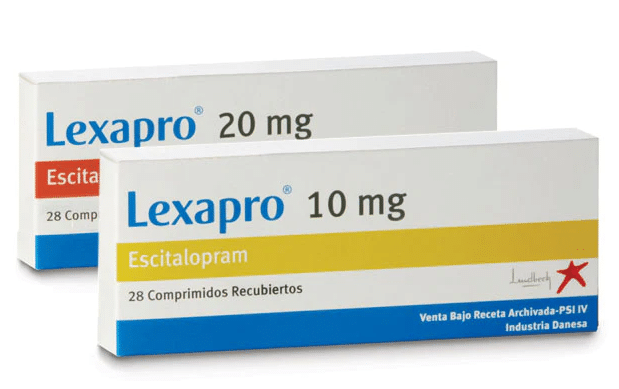
There is something oddly powerful about a pair of names placed side by side.
Lexapro and Cipralex have that effect. Even before anyone starts comparing labels, packaging, or where each name appears, the contrast creates a small drama: if two things sound this close, are they basically the same story told in different accents, or are we meant to notice some deeper distinction?
That question says as much about us as it does about the products themselves.
The modern habit of comparison
We live in a time when almost nothing is allowed to stand alone. A phone is compared to another phone before it ever leaves the box. A streaming service becomes meaningful only when placed against three others. Even a simple purchase now arrives wrapped in side-by-side logic. We have been trained to believe that clarity lives in contrast.
So when two medicine names appear in the same sentence, people rarely read them neutrally. They read them with a quiet sense that one must reveal something about the other. The names become less like labels and more like clues.
That is part of why pairings like this draw attention. They invite a kind of detective work, even when what people are really chasing is reassurance. Not necessarily certainty, just the feeling that the map makes sense.
When names do social work
Names are never only names. They carry geography, trust, memory, and tone.
One version of a name can sound local, familiar, and easy to pronounce. Another can feel imported, slightly formal, or more pharmaceutical in texture. Sometimes the difference is tiny on paper but large in the imagination. A single syllable can suggest a different market, a different health system, even a different kind of confidence.
That is why comparisons between names often become comparisons between worlds. People are not only asking, “What is the difference?” They are also asking quieter questions:
- Which one feels more recognizable?
- Which one sounds more official?
- Which one belongs to the place I’m in?
- Which one seems easier to trust?
These are not purely technical questions. They are human ones.
The border in the mind
The most interesting border is often not the one on a map. It is the one in perception.
A product can cross countries, pharmacies, conversations, and online searches, but the meaning shifts each time it enters a new context. What sounds standard in one place may sound unfamiliar in another. What looks interchangeable to one person may feel meaningfully distinct to someone else because of where they first encountered it.
That is why title phrases built around “versus” are so compelling. The word promises resolution. It suggests the neatness of a decision, the comfort of sorting. Yet real life is rarely that tidy. Often, people are not looking for a winner. They are trying to orient themselves inside a maze of names, systems, and expectations.
In that sense, a comparison is less a showdown than a translation exercise.
Familiarity has its own logic
There is also the emotional side of recognition. The name someone has heard before tends to carry an invisible advantage. Familiar words feel smoother, safer, somehow more settled. Unfamiliar ones can seem questionable even when the difference may be more about context than substance.
That doesn’t make people irrational. It makes them normal.
Most decisions around health-related products do not happen in a vacuum of perfect objectivity. They happen in the middle of daily life, where memory, language, stress, and habit all sit at the table. A person may respond to the look of a name, the place they encountered it, the wording on a package, or a conversation they once overheard and never fully forgot.
This is one reason comparisons keep resurfacing. They offer the hope that uncertainty can be turned into a cleaner shape.
More than a label check
What makes this topic linger is that it is not only about naming conventions or market differences. It is about the quiet friction between official language and lived experience.
A neatly phrased comparison can imply that the answer will be simple, almost mechanical. But for many people, the real experience is less like checking boxes and more like trying to understand why two nearly related names can create such different feelings.
That broader curiosity is captured well in this closer look at the naming puzzle, which points toward the kind of question people keep returning to: not just what separates one label from another, but why the distinction matters so much in the first place.
And perhaps that is the most revealing part. We tend to imagine that choices are made from facts alone, yet names often frame the emotional weather around those facts before anything else enters the room.
A small lesson in how people decide
The pairing of Lexapro and Cipralex opens onto a bigger observation about modern decision-making. We want things to be clearly named, cleanly sorted, and instantly legible. But the world we move through is full of near-matches, regional variations, inherited language, and subtle cues that shape confidence long before understanding arrives.
So the comparison matters, yes. But not only because of what appears on a label.
It matters because it shows how people navigate uncertainty: by listening for familiarity, reading tone into language, and trying to make the unfamiliar feel less far away. Sometimes the deepest difference is not between two names. It is between what we assume a name guarantees and what it actually means to the person encountering it.