I opened the pantry and found a different kind of hunger
A meandering look at the quiet rituals of snacking and the stories we tell ourselves between meals.
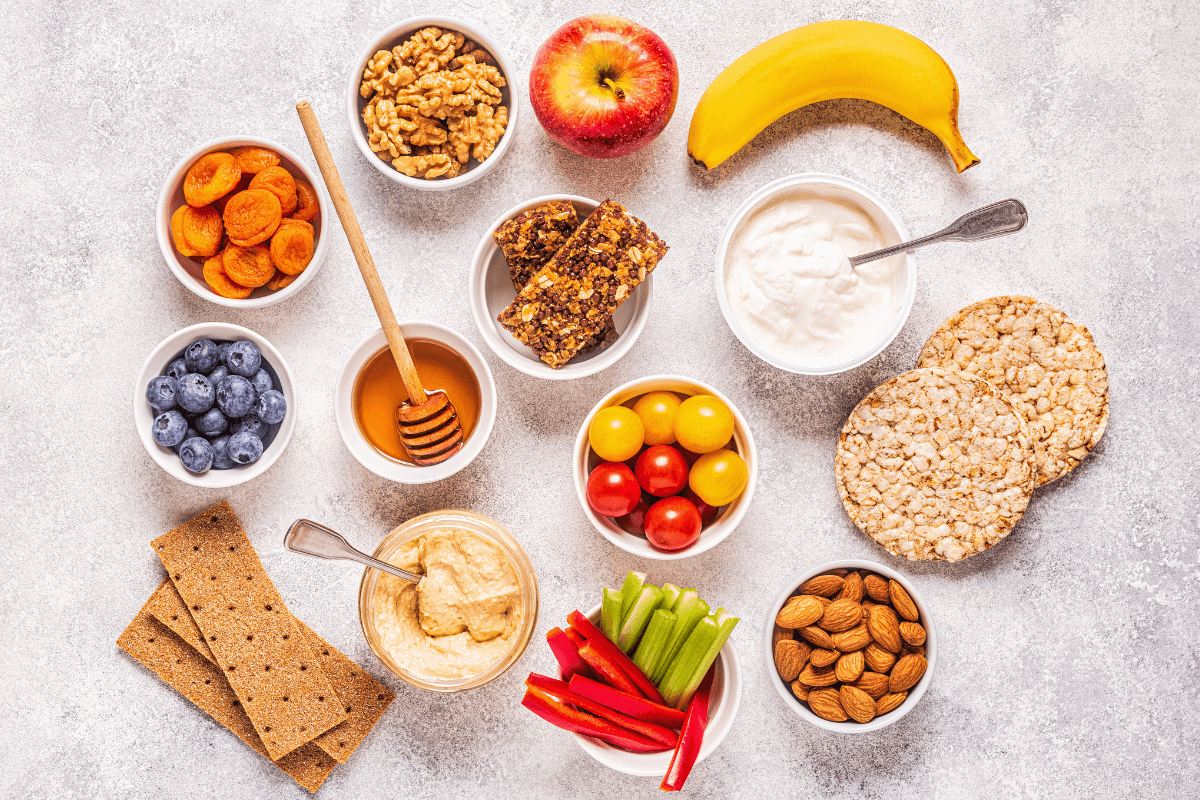
I opened the pantry and found a different kind of hunger—one that wasn’t exactly about food. It was late afternoon, the hour when the day’s edges go a little soft and my attention slips like sunlight off glass. The shelves presented a tidy museum of choices, all of them promising something simple: a pause, a small comfort, a manageable decision.
We talk about snacks as if they’re footnotes, but they’re often the plot. In the gaps between meetings, on the walk from the desk to the sink, at the window while waiting for a kettle to sing—we make tiny agreements with ourselves. A handful becomes a ritual, a ritual becomes a story. Not about being good or bad, but about what we need in that quiet stretch between intentions.
I had been thinking about this since reading a piece about everyday snacking from Canadian Insulin—casual, practical, the kind that treats the in-between moments with respect (read it here). It wasn’t the suggestions themselves that stayed with me. It was the idea that snacks can be steady rather than chaotic; that there’s a way to approach the small choices with a calm hand.
The small theater of reaching and choosing
We rarely examine the choreography: the opening and closing of doors, the rustle of packets, the internal debate about sweet vs. salty, crunchy vs. cool. It feels trivial. And yet, the snack is an edited moment, a short film about the kind of day you’re having. Do you want something bright or grounding? Do you crave a reset, or just company? It’s not about rules—I keep thinking that rules don’t necessarily change our minds. Rhythm does.
I’ve learned that the most satisfying snacks are the ones that let me keep doing what I’m doing. They don’t pull me into a spiral of more-more-more and they don’t announce themselves like a parade. They sit beside me like a friend who doesn’t need to fill the silence. A crisp bite that wakes me up. A cool note that slows me down. A texture that moves the jaw just enough to feel present again.
Hunger wears a lot of disguises. Sometimes it’s boredom in a borrowed coat.
When I notice the difference, I eat differently. Not better or worse, just differently. I notice the clock less and the mouthfeel more—the cheerful snap, the quiet chew, the sparkle of something tart that reminds me to drink water. The snack, in this light, becomes a bridge rather than a destination.
The language of lightness
“Light” is a tricky word. It can be moralized or marketed. But there’s another kind of lightness that feels closer to honesty: the feeling of not carrying extra noise. Some snacks speak that language without trying. They taste like clearing your inbox and leaving just one message starred. Enough to keep you moving, not enough to crowd your head.
This is why the afternoon seems to prefer crispness. Mornings want warmth; evenings, a soft landing. Afternoon, though, wants a snap that edits the day’s fog without rewriting the script. When I choose well for that hour, the decision fades into the background. It’s not an event. It’s a comma.
The pantry as a mirror
I used to blame the pantry for everything: its clutter, its temptations, its stubborn refusal to produce exactly what I wanted at 3:17 p.m. But the pantry is a mirror, and mirrors are blunt. What’s on the shelf reflects what I believe about future me. Will I want something bright? Something steady? Something that gets along with a glass of water and a walk around the block? I stock for those wishes, and sometimes I even remember to listen.
There’s also the small act of portioning, which isn’t a rule so much as an acknowledgement: appetite is part past, part present, part forecast. A small bowl turns a pile into a moment. The hand feels the weight of it; the eyes recognize an ending. I don’t always bother, but when I do, the snack feels more like a choice than a drift.
The story after the bite
Sometimes I catch myself narrating. Was this a good choice? A better one? A worse one than yesterday? It’s an odd tally for such a tiny event. If I ask better questions—Did it help? Did it soothe? Did it nudge me toward the thing I actually wanted to do?—the answers are more generous. A snack can carry a mood, but it doesn’t need to carry judgment.
On days when I’m paying attention, I notice that the right bite creates a small pocket of clarity. I close the bag or rinse the bowl and feel the day shift a degree. Not an overhaul; a tilt. The email I was avoiding looks less tangled. The room gets a little bigger. It’s not magic. It’s just the body agreeing with the calendar for a minute.
I don’t think snacking needs a manifesto. It needs a tone—quiet, curious, a little pragmatic. It asks for the same things most of us do: to be noticed, to be chosen on purpose, to be left alone when we’re not really hungry. That, I suppose, is the other hunger I found in the pantry. A hunger for steadiness. A way to arrive at dinner without having rushed there or stumbled.
As the afternoon thinned out and the kettle clicked, I picked something simple and bright. It tasted like permission to keep going. Later, when the day finally settled, I realized I wasn’t thinking about the snack anymore. Which felt like the point all along.
https://canadianinsulin.com/articles/10-healthy-snacks-for-weight-loss-youll-actually-enjoy/