Private Names in Public Life
Some words arrive like paperwork and somehow become part of a household vocabulary.
There are certain words that do not enter life dramatically. They arrive in small print, on labels, in clipped conversations, in the kind of administrative language most people skim past. And yet, over time, they gather weight. A name that once felt distant can become oddly familiar, not because it belongs to a trend or a headline, but because it has found a place in the background rhythm of ordinary days.
That is part of what makes modern health language so unusual. It is deeply personal and strangely public at the same time. A person may know a word intimately without ever wanting to explain it. Another may recognize it only as a fragment overheard in a pharmacy line, a search bar, a family text, or a quiet note tucked into a wallet. The names themselves often sound technical, almost cold, but the lives around them are anything but.
The strange intimacy of a formal word
Some words feel borrowed from a lab, yet they end up living in kitchens, backpacks, coat pockets, and bedside drawers. They sit beside all the soft, human clutter of life: receipts, lip balm, spare keys, grocery lists, unread novels. That contrast is hard to ignore. A rigid, formal term enters a space full of habit and feeling, and somehow the two learn to coexist.
What happens then is less about the word itself and more about the atmosphere around it. The name starts to represent routine, or hesitation, or the small discipline of keeping track of things. It can also carry the hush that still surrounds private health matters. Even now, in an age of oversharing, people remain selective about which details become conversation and which stay folded into silence.
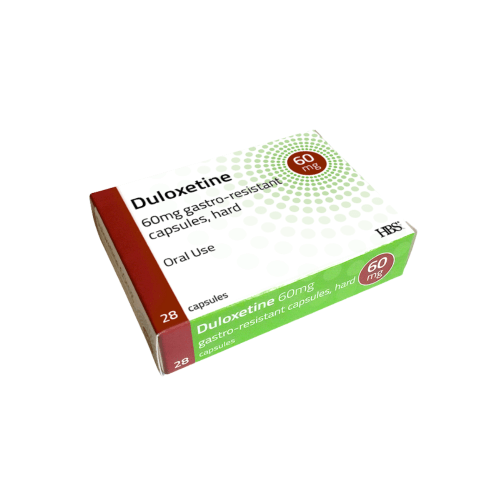
A page like this listing is a reminder of how these formal names move through the world: visible enough to be found, ordinary enough to be cataloged, but still attached to experiences people rarely describe in neat language.
Everyday life is full of quiet negotiations
There is a temptation to imagine health-related names as purely clinical objects, sealed off from culture. But that has never really been true. They drift into the same spaces where people manage work, family obligations, disrupted sleep, changing routines, and the ongoing project of appearing composed. In that sense, a medication name is not just a term. It becomes part of a larger social texture.
Think about the way people talk now: carefully, half-directly, often in shorthand. Someone says they are “figuring things out,” “getting back on track,” or “trying something different.” These phrases are elastic on purpose. They leave room for privacy while still acknowledging effort. Around them sits a whole hidden vocabulary of labels, refill reminders, paper bags, online accounts, and calendar alerts.
This is one of the paradoxes of contemporary life: we have more language than ever, but we still circle gently around the things that matter most. The formal word may be precise, yet the human experience around it is often imprecise, emotional, and difficult to narrate. People rarely tell these stories as cleanly as systems would like. They tell them in fragments, in pauses, in what they choose not to elaborate.
The label and the life beside it
Maybe that is why these names can seem to hold two identities at once. On one level, they are straightforward labels, meant to sort, identify, and streamline. On another, they become symbols of an era in which care is managed through portals, packaging, logistics, and quiet personal endurance.
There is something revealing in how quickly a once-unfamiliar term can become part of a household’s internal language. Not glamorous. Not theatrical. Just present. It appears in the practical choreography of everyday living, and in doing so, it sheds a little of its impersonality.
That does not mean it becomes simple. If anything, familiarity makes it more layered. A formal name can hold relief, annoyance, routine, uncertainty, and normalcy all at once. It can be mundane on Tuesday and emotionally charged on Thursday. It can be forgotten in a drawer one moment and central to the day’s planning the next.
Perhaps this is the quieter story hidden inside so many technical words. They are not only labels from institutions; they are witnesses to how people build functioning lives around complexity. They mark the intersection of systems and selves, where paperwork meets mood, scheduling meets memory, and private experience brushes against public language.
In the end, what stands out is not the severity of the term or the formality of its sound. It is the way a single, unfamiliar name can slowly lose its distance and become part of the ordinary landscape of being human: managed, carried, noticed, sometimes ignored, and always embedded in a life much larger than the label.