Some changes arrive like architecture, not announcement
A quiet look at why certain beauty conversations feel less like transformation and more like slow design.
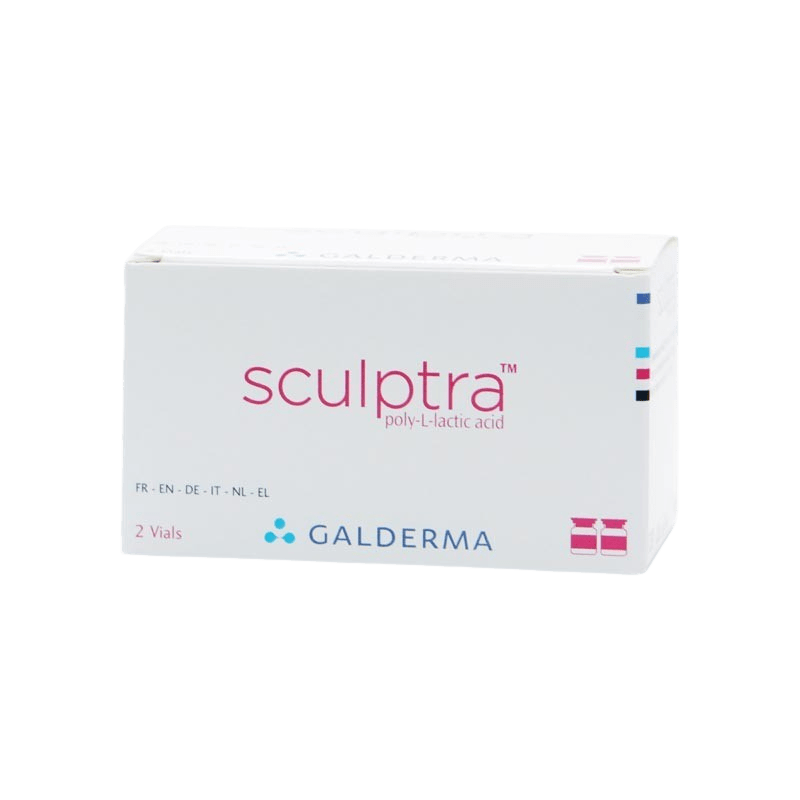
Beauty trends often arrive with noise. They flash across screens, attach themselves to a new phrase, and suddenly everyone seems to be speaking in the same polished shorthand. But every so often, a name surfaces that feels less like a trend and more like a clue. It suggests a different mood entirely: not the drama of instant reinvention, but the quieter appeal of structure, patience, and the idea that change can unfold without demanding applause.
That is part of what makes the world around treatments like Sculptra so culturally interesting. The fascination does not seem to come only from appearance. It also comes from timing. We live in an era obsessed with visible outcomes, before-and-after language, and the theatrical reveal. Against that backdrop, anything associated with gradualness carries a strange kind of magnetism. It feels almost rebellious.
The mood of subtlety
There was a period when beauty marketing seemed built around obviousness. The promise, whether spoken directly or merely implied, was that you would walk into a room looking unmistakably different. Lately, the emotional weather has shifted. People still care about looking refreshed, refined, or more in tune with how they imagine themselves. But the fantasy is often less about becoming someone new and more about preserving a sense of continuity.
That may be why conversations around aesthetic choices now sound more architectural than theatrical. The language circles around contour, support, softness, and balance. Even when people are being casual, they are often describing design principles rather than dramatic acts. It is less curtain rise, more restoration project.
There is something revealing in that shift. It suggests that many people no longer want beauty to look like effort, even when effort is clearly involved. They want the story to remain intact. They want the face, or the self presented to the world, to feel edited with a light hand.
Why slow change feels modern
It seems backward at first. In a culture trained by speed, why would slowness become aspirational?
Maybe because speed has become exhausting. Fast fashion, fast content, fast opinions, fast fixes: each one carries its own kind of fatigue. In that atmosphere, the idea of anything unfolding over time begins to feel luxurious. Not luxurious in the obvious sense, but in the emotional one. It suggests room to observe. Room to decide how you feel. Room to let appearance exist as part of life rather than as a headline event.
This is not just about aesthetics. It reflects a wider taste for processes that seem to respect continuity. People talk this way about interiors, fitness, clothing, even personal reinvention. The fantasy is no longer always the grand transformation montage. Sometimes it is the more believable pleasure of noticing, one day, that something feels more settled than it did before.
That kind of noticing has its own poetry. It asks less from the audience. It is not built for shock value. It is built for those almost private moments when someone catches their reflection in a window and thinks, without fanfare, yes, that feels a little more like me.
Beauty as atmosphere
Another reason these topics linger in public conversation is that beauty has become atmospheric. It is no longer confined to the mirror or the clinic or the pages of glossy magazines. It travels through social feeds, podcasts, group chats, and half-joking conversations over coffee. People collect impressions before they ever collect information.
And impressions matter. A treatment, a product, even a single brand name can gather a certain aura long before most people understand the details. Some names sound futuristic. Some sound indulgent. Some sound almost technical. Others suggest craftsmanship, composition, or the slow work of shaping. That atmosphere influences how a person feels before they have decided anything at all.
This is one of the quieter truths of modern beauty culture: people are not just responding to outcomes. They are responding to narratives. They are choosing between stories about visibility, maintenance, authenticity, and time.
The contradiction underneath it all
Of course, there is a small contradiction running through the whole scene. The more a culture praises natural-looking refinement, the more effort may be involved in creating the impression of effortlessness. We know this in fashion, where the “undone” look is often intensely considered. We know it in homes arranged to feel casually serene. And we know it in beauty, where subtlety can be the most carefully curated effect of all.
Yet that contradiction does not necessarily make the impulse false. It simply makes it human. People have always shaped how they are seen. They have always worked with light, texture, clothing, grooming, posture, and expression. The tools and language change, but the instinct remains recognizable: a wish to feel aligned with one’s own image.
What has changed is the aesthetic ideal. The current mood leans toward restraint, toward changes that seem to belong rather than announce themselves. In that sense, the interest around treatments associated with gradual refinement tells us something larger than product curiosity. It shows a cultural preference for continuity over spectacle.
The appeal of not making a scene
Maybe that is the simplest way to put it. Some choices appeal because they promise a scene. Others appeal because they do not.
There is something deeply contemporary about wanting the result without the performance, the polish without the proclamation. It mirrors a broader desire to be seen favorably while avoiding the pressure of public explanation. To change, but on intimate terms. To edit, but gently.
And perhaps that is why certain names keep resurfacing in beauty conversations with a kind of low, steady intrigue. They evoke not a makeover, but a method of thinking: one that treats appearance less like an event and more like an environment, something shaped over time, almost like architecture.
Not an announcement. Just a structure quietly taking form.