Some forms of reassurance stay tucked away
A quiet look at the objects we keep nearby for peace of mind, and what they say about how modern life prepares for uncertainty.
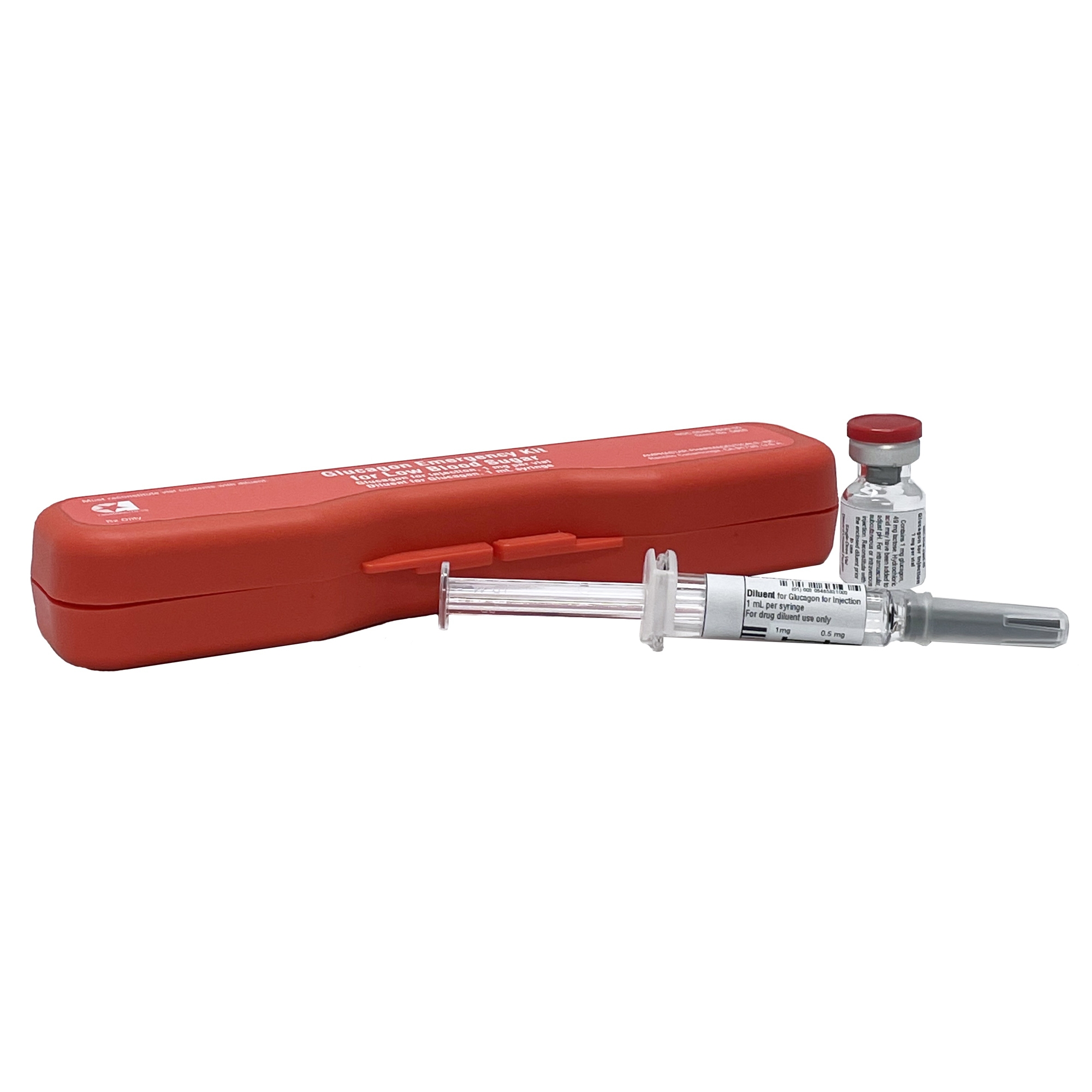
Some objects never become part of the room, even when they live there for years. They sit in drawers, travel in bags, rest on shelves beside entirely ordinary things, and quietly change the emotional climate around them. You may barely look at them. You may hope not to. But their presence creates a particular kind of calm: not confidence exactly, and not fear either, but a truce with uncertainty.
That is what makes emergency-oriented products so culturally interesting. They belong to the world of possibility rather than routine. Unlike the things we use every morning without thinking, these items carry a different kind of meaning. They ask to be remembered without being dwelled on. They are practical, yes, but also symbolic. They suggest that life is full of interruptions, and that being human often means making room for the unexpected without letting it run the house.
The strange psychology of “just in case”
The phrase “just in case” might be one of the most revealing phrases in modern life. It appears everywhere: in glove compartments, kitchen junk drawers, travel pouches, backup chargers, folded umbrellas, and carefully labeled kits. It is the language of people trying to respect uncertainty while still getting on with the day.
A kit with multiple parts has its own emotional texture. It feels more deliberate than a single object. It implies sequence, attention, readiness. Even the packaging can carry a certain gravity. Not drama, exactly, but seriousness. Something about a contained set of tools tells us that some moments ask for more than improvisation. Some moments require a small choreography that has been thought through in advance.
There is something deeply modern in that idea. We are surrounded by systems, checklists, backups, notifications, and contingencies. We are taught to anticipate disruption while presenting a calm face to the world. A neatly prepared item becomes part of that social language. It says: not everything can be controlled, but some things can be acknowledged.
Preparedness as a quiet form of care
What is especially moving is that these objects are rarely just about the person who keeps them. They are often about households, friendships, coworkers, classmates, neighbors. A tucked-away emergency kit is a private object with a public meaning. It belongs to the intimate geography of care.
That geography is easy to miss because it doesn’t announce itself. It lives in the small negotiations of everyday life: where something is stored, who knows about it, whether it travels, whether it gets replaced, whether its presence becomes part of the family’s background vocabulary. These details might sound mundane, but they reveal something profound. Care is not always expressive. Sometimes it is logistical. Sometimes it looks like remembering where a specific item lives and hoping that memory never becomes urgently important.
The design of such products matters too, not only in a functional sense but in an emotional one. A kit is never only a kit. It is also an interface between a person and a difficult possibility. If it feels too cryptic, it intimidates. If it feels too casual, it seems unserious. The objects that stay with us often occupy a middle ground between reassurance and alertness.
The background presence of vulnerable certainty
There is a paradox here. The items we keep for emergencies are meant to reduce panic, yet they also remind us that panic exists. They offer comfort by pointing toward discomfort. That contradiction is part of why they can feel so loaded, even when they remain untouched.
And still, many people develop an almost tender relationship with these quiet safeguards. Not because they enjoy thinking about disruption, but because preparedness can soften the edges of uncertainty. It turns an unnamed fear into something with a place, a container, a location. In that sense, a product can become part of emotional architecture.
I think that is why even a brief glance at something like a prepared emergency kit can prompt reflection far beyond the product itself. It brings up questions about trust, dependence, memory, and the ordinary rituals people build around fragility. Not fragility as weakness, but fragility as a fact of being alive.
What these objects say about us
Perhaps the most revealing thing is that we continue to build daily life around items we hope will remain unused. That choice says something generous about human behavior. We do not prepare only because we are afraid. We prepare because we want life to remain livable. We want birthdays, commutes, grocery lists, long phone calls, school pickups, and unremarkable evenings to continue with as little interruption as possible.
So the tucked-away kit becomes more than a product on a shelf. It becomes a small statement about responsibility, interdependence, and the way modern people negotiate uncertainty without surrendering to it. We make room for the unlikely not because we expect disaster at every turn, but because peace of mind often depends on acknowledging that life does not always move in straight lines.
Some forms of reassurance are loud and visible. Others stay zipped, boxed, labeled, and mostly out of sight. But those quieter forms may tell the more interesting story. They reveal how much of care happens before anything happens at all.
https://canadianinsulin.com/product/glucagon-injection-kit-with-diluent/