Some names arrive before their meaning does
A quiet look at how highly specific product names can carry routines, emotions, and assumptions long before anyone explains them.
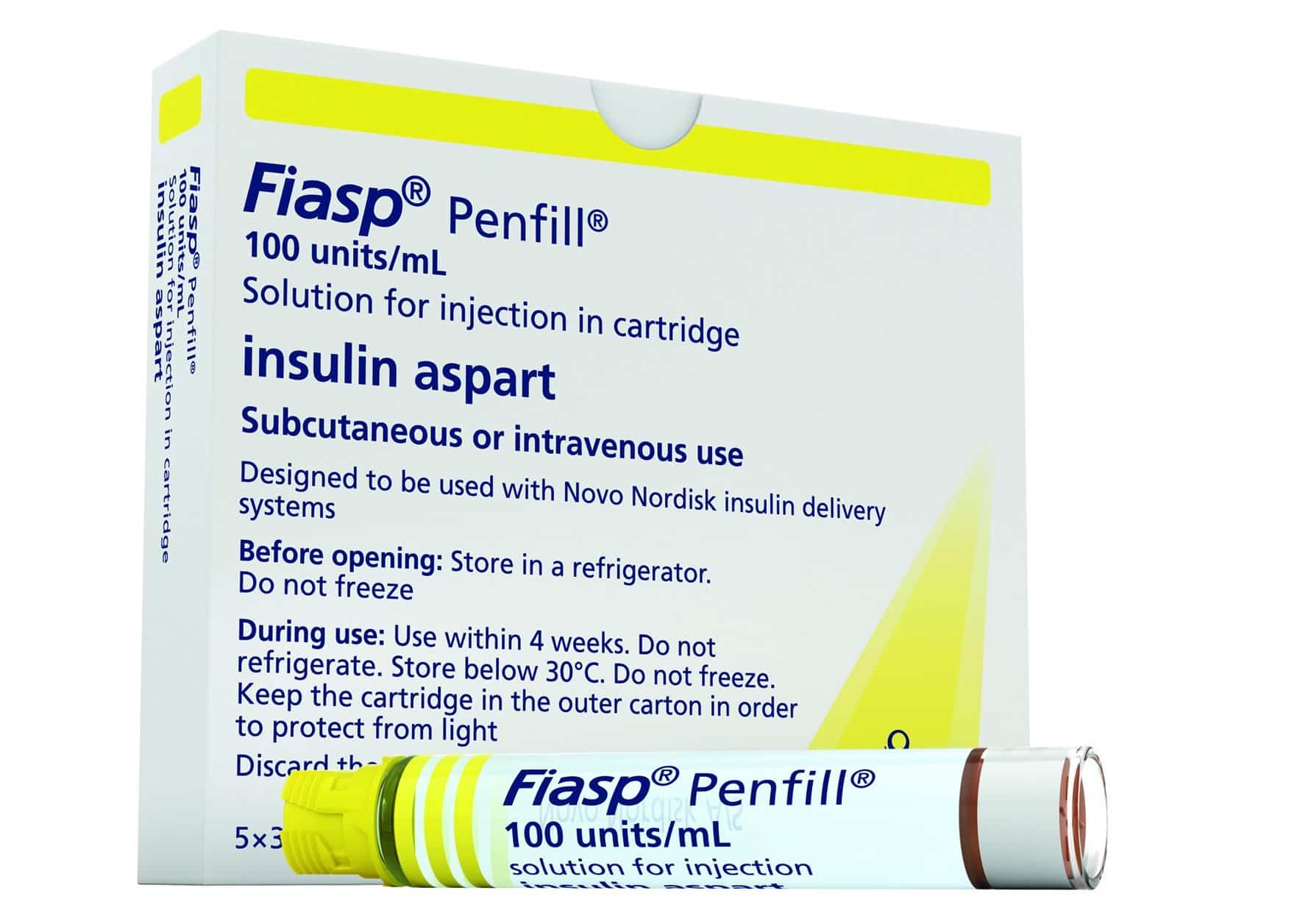
There is something oddly revealing about the moment you come across a product name with no story attached to it.
Not a full explanation. Not a helpful conversation. Just a compact label, a neat package of syllables, and the sense that somewhere, in someone’s everyday life, this name means everything.
That feeling shows up often in modern life. We encounter precise objects before we understand the worlds they belong to. A cartridge. A device. A refill. A formulation. The language sounds technical, but what it often points to is not machinery at all. It points to routine. To timing. To being prepared. To the kind of private choreography most people never talk about unless they have to.
A name like this can seem cold at first glance. It may sit on a page beside a photo, looking almost too tidy for the human complexity behind it. But that distance is part of what makes these objects interesting. They live in the overlap between commerce and care, between shelf language and daily life. They are presented as products, yet they are folded into habits, moods, schedules, and little acts of self-management that rarely make it into public conversation.
The quiet world behind specific things
There are categories of objects that carry more emotional weather than their packaging lets on. They appear plain, even clinical, but they travel through kitchens, bags, drawers, counters, commutes, and long afternoons. They are present in the background of ordinary days, and because of that, they take on a meaning that goes far beyond what their names suggest.
A cartridge is a good example. The word itself feels mechanical, almost impersonal. It sounds interchangeable, like a component in a system. And yet the more you sit with it, the more it starts to feel like a symbol of contemporary life: we divide our days into portable units, measured intervals, replaceable parts. We want reliability, but we also want simplicity. We want life to keep moving without demanding a dramatic explanation at every turn.
That is part of why these product pages can feel strangely intimate even when they are sparse. A listing such as this one for Fiasp cartridges is not just a retail artifact. It hints at an entire pattern of living organized around attention, consistency, and the quiet wish for fewer disruptions.
How language shapes distance
Modern product language is efficient, but efficiency can create a kind of fog. The more exact the name, the less it sometimes tells the outsider. Brand-like words often arrive before understanding does. They pass through conversation like sealed envelopes. The people who know, know immediately. Everyone else hears a proper noun and moves on.
That split is worth noticing. It says something about how specialized our shared world has become. More and more, daily life is made of systems that are deeply personal yet linguistically inaccessible unless you already belong to them. The words become passwords to experience.
And still, even without knowing every detail, you can sense the human outline. You can tell when an object belongs to necessity rather than novelty. You can tell when a product is less about excitement and more about trust. That difference matters. In a culture that celebrates disruption, there is something grounding about things designed to be dependable instead of dazzling.
The aesthetics of reassurance
We do not talk enough about the emotional design of ordinary essentials. Not branding in the glamorous sense, but the softer atmosphere around an object: whether it looks calm, whether it feels legible, whether it seems like it belongs in a life already crowded with decisions.
People are often asked to navigate a thousand tiny choices every day. The objects that matter most are not always the ones that announce themselves loudly. Sometimes the most significant items are the ones that reduce friction, that fit into a drawer without drama, that become familiar enough to fade from conscious notice. There is comfort in that kind of invisibility.
Maybe that is why certain product names linger in the mind. Not because they are poetic, but because they stand at the edge of something bigger than language. They represent the unseen architecture of staying steady. They suggest calendars, habits, errands, backups, and those small moments of checking whether everything is where it should be.
More than a listing
It is easy to dismiss a product page as a purely transactional thing. But the internet has made accidental witnesses of all of us. We stumble across fragments of other people’s routines all the time. A name, an image, a category, a format. From the outside, they may appear narrow. From the inside, they can hold an entire lifestyle of planning and adaptation.
That perspective invites a little humility. Not every important object tells its story clearly. Not every meaningful routine looks dramatic. Sometimes significance is tucked inside plain language and practical design.
So when a sharply specific name appears on a screen and seems to arrive before its meaning, it may be worth pausing for a second. Behind the precision, there is often a very human desire: to make the day manageable, to keep uncertainty from taking over, to give ordinary life a shape it can rely on.
And perhaps that is the quiet truth hidden inside so many product names. They are not only labels. They are evidence of how people build continuity out of detail.
https://canadianinsulin.com/product/buy-fiasp-insulin-cartridges/