Some names arrive before we know what they mean
A quiet look at how certain names slip into conversation long before they settle into meaning.
There is a particular kind of modern word that seems to appear out of nowhere and then linger.
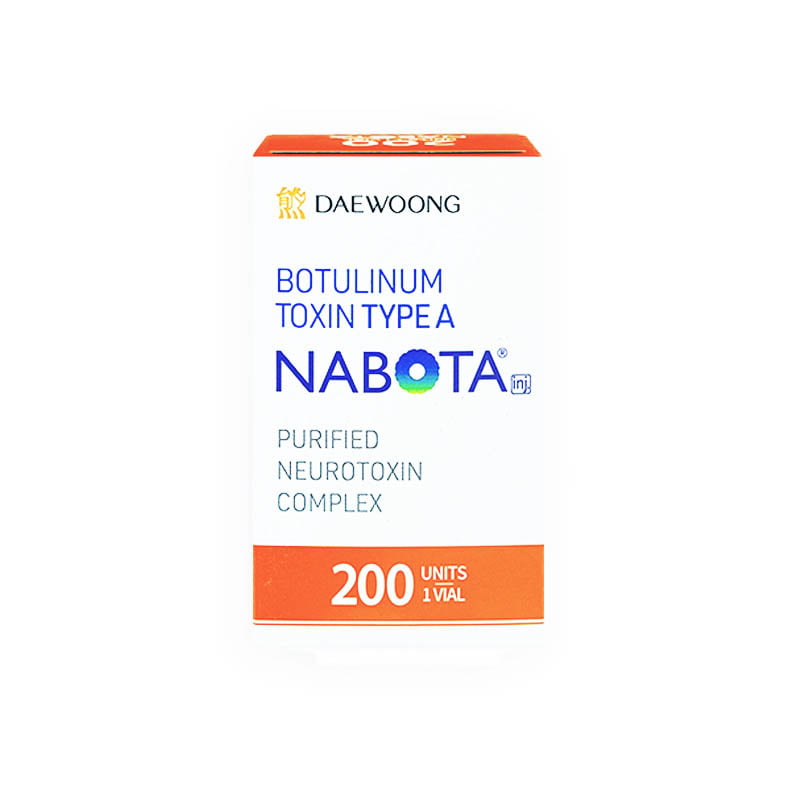
It shows up in a search bar, in a passing mention, in the half-overheard language of routines people rarely explain in full. A name like Nabota has that quality. Even before someone knows where it belongs, it already feels like part of a larger world: polished counters, private decisions, carefully edited self-presentation, the quiet economy of appearance.
What is interesting is not only the name itself, but the way names like this travel. They move faster than context. They become familiar before they become understood. In the same way people recognize the packaging of something they have never used, they can start to feel fluent in a language they have only brushed against.
That says something about the era we live in. We are surrounded by categories of things that once belonged to specialists, whispered recommendations, or small circles of insiders. Now they circulate more like cultural weather. You do not need direct experience to sense their presence. You only need to spend enough time online, in waiting rooms, in beauty conversations, in the oddly intimate public spaces where people discuss maintenance as casually as coffee.
The vocabulary of becoming
There is a softness to the way these names enter daily life. Not with a grand announcement, but with repetition. A friend mentions one. A creator casually drops another. A clinic menu, a comment section, a screenshot, a shelf. Over time the names start to sound less like products and more like symbols in a wider story about control, polish, aging, effort, and how much of all that should remain visible.
That is why product-led language can feel bigger than the product. It becomes shorthand for a mood. It can suggest intention, discretion, or simply participation in a contemporary ritual of self-adjustment. The specific details may remain blurry, but the emotional meaning sharpens anyway.
And maybe that is the real point of fascination. We are not only drawn to what something does. We are drawn to what it represents. A promise of refinement. A brush with expertise. A sense of keeping pace with a world that seems to reward subtle upgrades and punish signs of neglect.
Familiarity without intimacy
There is also something curious about how normal all this can start to feel.
A name once confined to niche knowledge can become ambient, almost decorative, part of the visual and verbal clutter of contemporary life. It exists in the same feed as skincare, architecture, meal prep, airport outfits, and morning routines. Not hidden, not exactly advertised in the old sense either, just present. Present enough that people begin to absorb it through atmosphere rather than explanation.
That kind of familiarity creates a strange effect. We begin to feel informed when we are really only adjacent. We know the shape of the conversation, the tone, the social cues. We know who talks about these things openly and who prefers euphemism. We know which names sound luxury-coded, clinical, sleek, or newly fashionable. But meaning still arrives in fragments.
In that gap between recognition and understanding, imagination does a lot of work. People attach ideas to names: sophistication, caution, glamour, discipline, maintenance, secrecy. The name becomes a mirror for whatever the culture is currently negotiating.
The private becoming public
It is hard not to notice how many once-private choices now live in public language. Not fully public, perhaps, but public enough to be stylized.
This does not mean everyone is suddenly transparent. If anything, the opposite can be true. The more visible the vocabulary becomes, the more carefully people curate how they relate to it. They joke about it, normalize it, distance themselves from it, embrace it with ironic detachment, or fold it seamlessly into a broader aesthetic life.
That tension feels very current: the wish to present effortlessness alongside a growing fluency in the tools of effort. Names become useful here. They can be spoken plainly, coded, or not spoken at all. They carry just enough meaning to signal belonging, curiosity, or discretion.
Maybe that is why a single product name can feel larger than expected. It is never just about a vial, a box, or a listing. It becomes part of a cultural sentence already in motion, one about who gets to revise themselves, how openly, and with what emotional texture.
Some words do not merely identify an item. They reveal the atmosphere around it. And in that sense, the most revealing thing about a name may be the world we immediately imagine when we hear it.
https://medwholesalesupplies.com/product/nabota-200ui-1vial/