Some Names Arrive Before We Know What They Mean
A single product name can carry mood, mystery, and expectation long before it becomes part of anyone’s routine.
There is something strangely modern about encountering a name without context and still feeling like it means something.
A word appears on a screen, a label, a search result, a receipt, and suddenly it seems to carry an atmosphere before it carries any explanation. Some names sound brisk and efficient. Others feel soft around the edges, almost lyrical. A name like Viibryd lands somewhere in that curious territory where branding, memory, and personal meaning start mingling long before clarity does.
We live in a time when names often arrive first and understanding comes later. That order matters more than we admit. It shapes the mood of a first impression. It influences whether something feels clinical, distant, familiar, or oddly intimate. Even when we know very little, we begin building a story.
The emotional life of a name
Certain names seem designed not just to identify, but to suggest. They hint at motion, calm, brightness, steadiness, or change without saying any of those things directly. That is part of what makes modern product language so fascinating: it rarely speaks plainly, yet it communicates constantly.
A single word can feel like a promise, even when nobody has said one out loud.
That does not mean the promise is real, or false, or even intentional in the way people imagine. It simply means names participate in culture. They absorb expectations. They travel through conversations. They become shorthand in households, pharmacies, search bars, and late-night thoughts. Over time, they stop being just labels and start becoming small emotional objects.
Maybe that is why people sometimes remember the sound of a name before they remember where they saw it. Language has texture. Some words click; others drift. Some feel almost too polished, as if they were built in a room full of market research and careful syllables. Yet even that polish tells a story about the world that produced them.
Between private experience and public language
What is especially interesting about certain product names is how they sit between deeply private life and highly public language. A person may come across a name during a routine errand, a quiet conversation, or a moment they would rather not narrate to anyone. The word itself then becomes attached to a chapter of life, not because of its dictionary meaning, but because of where it showed up.
That is why neutral language is rarely neutral in practice. A label can gather intensity simply by being present at a particular moment. In one setting it looks like branding. In another, it feels like a marker of time: before this, after that, during a season of uncertainty, during a season of trying to feel more like oneself.
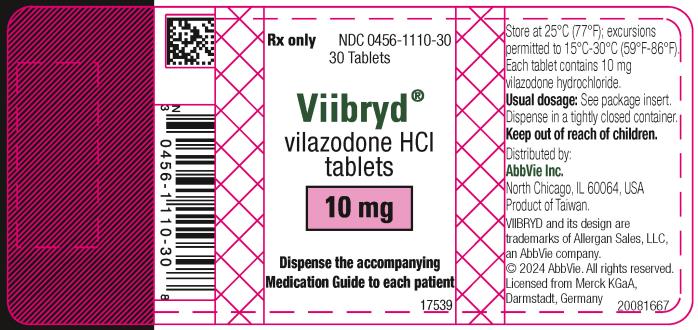
These meanings are rarely visible from the outside. To everyone else, it may just be a name on a page, like the one found on this listing. But names often live double lives. Publicly, they belong to systems, shelves, and search results. Privately, they belong to memory.
Why unfamiliar words can feel loaded
There is also a particular tension in unfamiliar names that sound as if they should already be familiar. They resemble language without fully belonging to it. That in-between quality makes them memorable. It also gives people room to project meaning onto them.
When a word feels almost recognizable, the mind starts filling in blanks. It looks for roots, echoes, associations. It asks whether the sound suggests speed, relief, reassurance, elegance, seriousness. We do this instinctively. We are pattern-making creatures, and language is one of our favorite places to make patterns.
This is not really about one name. It is about the strange way contemporary life is mediated through names that are at once manufactured and intimate. We are surrounded by them. They enter our vocabulary quietly, and then one day they feel ordinary, as if they had always been there.
The quiet theatre of everyday recognition
There is a small, almost invisible drama in recognizing a name you once passed by without noticing. The second or third encounter changes it. Repetition gives it weight. What felt random begins to feel established.
That is true across modern consumer life, but it feels especially pronounced when a name intersects with personal routine. Everyday objects and systems become emotionally charged not because they are dramatic on their own, but because repetition lets them settle into the background of real life. The background, after all, is where so much meaning lives.
And perhaps that is the quiet contradiction: the more standardized a name tries to be, the more personal it can become in the life of someone who encounters it at the right moment.
Not everything meaningful announces itself. Sometimes it arrives as a word that seems oddly polished, slightly mysterious, and faintly familiar. Then it lingers. Not because everyone knows what it means, but because people rarely meet language as pure information. They meet it as mood, timing, association, and memory.
That is why some names stay with us. Not as definitions, but as echoes.