Some Names Arrive Before We Know What They Mean
A single product name can carry more mood, memory, and expectation than we realize at first glance.
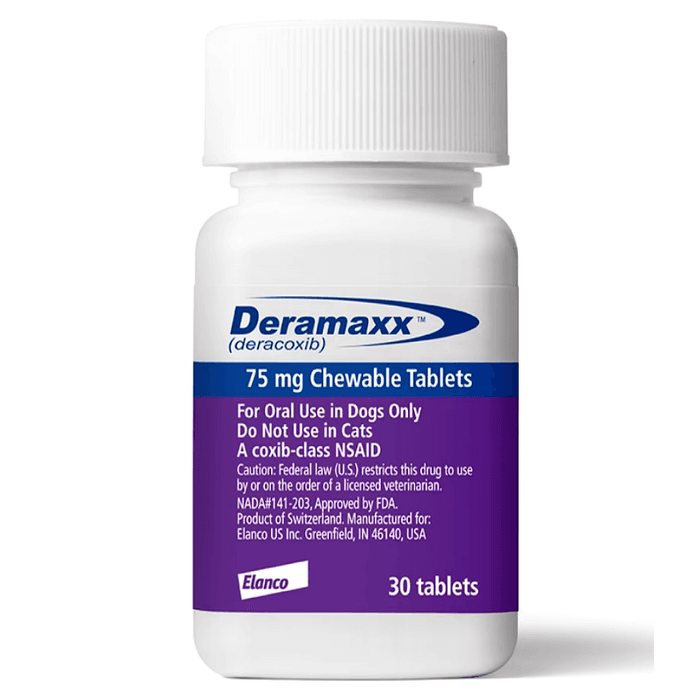
There is something oddly modern about encountering a single, polished name with no context and immediately sensing that it belongs to a much larger world. A name like Deramaxx does that. It lands with the confidence of branding, the smoothness of something engineered to be remembered, and the faint suggestion that somewhere behind it is a story about care, concern, and decision-making.
We live among names like this now. They appear on screens, in search bars, on labels, in conversations that start casually and then drift into more serious territory. A single word can become a small emotional container. It holds questions, assumptions, and the quiet urgency people rarely say out loud. Not because the word itself explains much, but because it signals that explanation is needed.
The strange power of a product name
Certain names feel almost cinematic. They are built to sound reassuring without being overly familiar, technical without being cold. They occupy that narrow strip between science and daily life, where people are not looking for poetry but often end up finding something close to it anyway: hope, caution, routine, relief, uncertainty.
That may be why these names linger. Even before anyone understands the details, the name starts doing social work. It becomes shorthand. It lets people ask hard questions indirectly. It lets worry dress itself in practical language. Sometimes that is easier than saying what is really going on.
A name can be a buffer.
It can also be a mirror. The moment people look something up, bookmark a page, or remember how it sounded, they are often responding not just to information but to a mood. The mood might be responsibility. It might be protectiveness. It might be the very ordinary desire to make a complicated situation feel slightly more manageable.
When language meets routine
One of the more interesting things about modern care culture is how quickly specialized language enters everyday life. Words that once would have stayed in a clinic, a back office, or a tightly defined professional setting now travel freely into kitchens, living rooms, and group chats. They sit beside grocery lists and calendar reminders. They become part of household vocabulary.
That shift changes the feeling of those words. They are no longer distant or formal. They become part of routine, and routine has its own emotional texture. It is repetitive, yes, but it is also intimate. Repeated words gather meaning from the lives around them.
So a name like Deramaxx does not just function as a label. It becomes part of someone’s mental landscape. It may be associated with a moment of research late at night, a folded receipt, a note on the fridge, or the quiet concentration that comes with trying to get something right. The name is brief, but the life around it is not.
The search for steadiness
There is also a broader cultural habit worth noticing: people often turn to specific names when they are really searching for steadiness. Not certainty exactly, because certainty is rare and often overstated. Steadiness is something softer. It is the hope that there is a recognizable path through a moment that feels unsettled.
That helps explain why product-led searches can feel surprisingly personal. On the surface, they are practical. Underneath, they often carry a whole atmosphere of care. The search itself becomes a small ritual of attention.
Seen that way, the most interesting part is not only the item being searched. It is the human posture behind the search: alert, slightly cautious, trying to translate concern into action. Even a simple product page, like the one found here, can end up representing something larger than commerce or cataloging. It can mark a pause in someone’s day when they are trying to understand what comes next.
More than information
We often pretend that names are neutral and that information arrives untouched by feeling. But almost nobody experiences it that way. People bring context with them. They bring memory, urgency, previous disappointments, tiny flashes of optimism. They notice the tone of a word, the shape of it, whether it sounds severe or gentle, abstract or grounded.
That may seem minor, yet it says a lot about how modern decisions are made. People do not encounter products in a vacuum. They encounter them in the middle of life, while carrying everything else life is already asking of them.
And so a single name can end up meaning far more than its letters should reasonably allow.
The quiet symbolism of recognition
Perhaps that is why recognition matters. The first time a name appears, it can feel opaque. The fifth time, it starts to feel familiar. Familiarity does not solve uncertainty, but it changes its texture. What was once strange becomes part of a known landscape.
There is comfort in that, even when the subject itself remains serious. We are creatures of pattern. We like to know the names of things that enter our orbit. Naming is one of the oldest ways humans reduce distance.
Maybe that is the real story hidden inside so many product names. Not the formal description, not the polished presentation, but the quiet human act of making room for something by learning how to call it.
In that sense, a name like Deramaxx is not only a label. It is a moment when unfamiliar language crosses into ordinary life and becomes part of how people navigate care, attention, and the small responsibilities that shape a day. That transition is easy to overlook, but it reveals something lasting about the way we live now: even the most specialized words eventually become personal when they enter the orbit of concern.