Some names arrive before we know what they mean
A single product name can carry hope, skepticism, and a whole era’s appetite for reinvention.
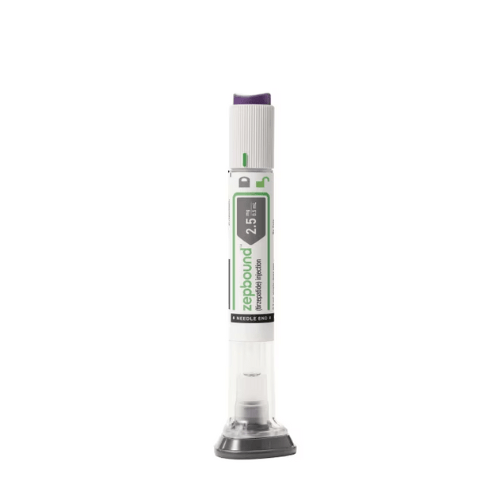
There are certain names that show up with the energy of a headline before they show up with any real meaning. They land in group chats, search bars, overheard conversations, and late-night scrolling sessions. A word appears, polished and unfamiliar, and suddenly it seems to belong to a much bigger mood than itself.
That is part of what makes a page like Zepbound interesting. Not because it explains everything at once, but because it reminds us how often modern life asks people to react to a name before they’ve had time to sit with what the name is doing. We live in a culture of fast recognition. A label can arrive carrying expectation long before understanding catches up.
The strange power of a branded word
Some product names sound technical. Others sound almost cinematic, as if they were built to imply motion, momentum, or transformation. That kind of naming matters more than people admit. A name can feel reassuring, futuristic, distant, or oddly intimate. It can suggest seriousness. It can suggest possibility. It can even create a tiny atmosphere around itself.
And once that atmosphere exists, people begin filling in the blanks. They attach stories, assumptions, private hopes, casual skepticism, and secondhand opinions. One person hears a breakthrough. Another hears hype. Someone else just hears another example of how everything now comes wrapped in a brand identity strong enough to travel ahead of the thing itself.
That is a very current experience: not simply encountering a product, but encountering the social weather around it.
When curiosity becomes a habit
A lot of contemporary browsing is less about shopping than about decoding. People look things up not only because they want them, but because they keep seeing them. Repetition creates its own kind of gravity. The more a name surfaces, the more it starts to feel like something you should already understand.
There is a quiet pressure in that. Not dramatic pressure, just the ordinary pressure of wanting to keep up with the conversation. The same thing happens with trends in food, apps, routines, and wellness language. A term appears often enough and starts to feel like common knowledge, even if most people only know its outline.
That can make a simple product page feel like a cultural artifact. It becomes a place where curiosity meets projection. People arrive carrying their own context: fatigue with miracle language, fascination with newness, suspicion of marketing, optimism about change, or the vague feeling that everyone else knows more than they do.
The era of promised reinvention
It is hard to separate any modern wellness-adjacent product from the larger atmosphere it enters. We are surrounded by a steady stream of reinvention narratives. Better habits. Better systems. Better versions of the self. Even when nobody says those words directly, they hover in the background.
That is why certain names become symbols so quickly. They do not remain neutral for long. They get folded into wider conversations about discipline, appearance, routine, identity, and the strange way hope gets packaged in contemporary culture. People rarely react only to the item itself. They react to everything orbiting it.
One of the more revealing things about this moment is how fluent we have all become in the language of possibility. We know how to recognize the shape of an arrival. We know when something has entered the chat, so to speak. But recognition is not the same as clarity. Sometimes it is only the beginning of speculation.
Between skepticism and fascination
There is also something undeniably human in the split reaction these names provoke. We have become expert doubters, but not immune to intrigue. We can roll our eyes at polished branding and still wonder why a name keeps resurfacing. We can dislike the noise and still be pulled toward the signal.
That tension feels especially familiar now. People are tired of overstatement, yet still alert to anything that might represent a shift. They do not want to be sold a fantasy, but they also do not want to miss the thing everyone will be talking about next month. So they hover. They read. They compare impressions. They gather fragments.
In that sense, the first encounter with a name is rarely about certainty. It is more like standing in a doorway and trying to understand the room from the temperature alone.
What a name really carries
Maybe that is the most interesting part: a single branded word can become a container for much more than branding. It can reflect the speed of online culture, the way people assemble opinions from glimpses, and the persistent human appetite for change that feels tangible enough to point to.
Not every widely noticed name becomes meaningful, and not every polished arrival deserves the emotional weight people give it. But the pattern is revealing. We are always looking for signals, always sorting novelty from noise, always deciding whether something belongs in the category of passing mention or lasting significance.
Sometimes the name is just a name. Sometimes it becomes a mirror for the era that produced it. And sometimes what stands out is not what it promises, but how quickly all of us learn to project a story onto it.