Some names arrive before we know what to do with them
A single unfamiliar word can carry the mood of modern care: distant, intimate, and strangely ordinary all at once.
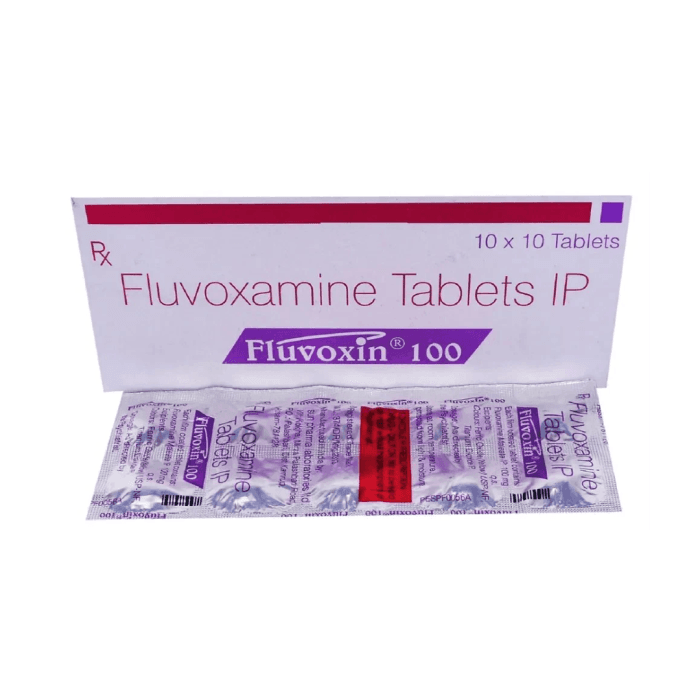
There is something oddly revealing about the moment you meet a medication name with no story attached to it.
It appears on a screen or a label as a clean, self-contained word, carrying the weight of importance without offering the comfort of familiarity. You don’t need to know exactly what it does to feel the atmosphere around it. A name like Fluvoxamine sounds technical, yes, but it also sounds like a tiny piece of modern life: precise, private, and somehow emotionally loaded despite its formal edges.
I first noticed it in a simple product listing, and what stood out was not information so much as tone. These names live in a curious space between commerce and care, science and routine, urgency and repetition. They are part of everyday language now, yet they rarely feel ordinary.
The language of being looked after
For most of human history, care was described in sensory terms. Tea. Rest. A hand on the shoulder. A room kept quiet. Now, so much of the language surrounding care arrives in compressed, manufactured words that sound almost too polished to belong to real life. And yet they do belong to real life. They sit in kitchen drawers, coat pockets, pharmacy bags, calendar reminders.
That contrast is part of what makes these names so interesting. They can feel cold at first glance, but the lives around them are anything but. Behind every unfamiliar term is a person trying to organize a day, manage a feeling, return a phone call, sleep through the night, show up on time, keep going. The vocabulary may sound clinical; the experience around it is deeply human.
A culture of labels and quiet meanings
We live in an era that gives names to almost everything. Patterns, moods, habits, interruptions, cycles. There is relief in that, sometimes. A name can make something feel visible. It can turn a vague private struggle into something speakable, shareable, even survivable. But names also create distance. They can make a complicated inner world feel as if it has been placed into a neat little box and filed away.
Medication names sit right in that tension. They are often discussed in whispers, searched in private, recognized instantly by some people and not at all by others. They move through family conversations carefully, like fragile glass. Someone mentions one over dinner and the room subtly changes shape. Not because everyone understands the details, but because the word itself signals seriousness, vulnerability, and the modern habit of managing life through systems.
That may be why a single title can feel larger than it is. A word on a page becomes a symbol for routines nobody else sees: the refill remembered at the last minute, the small hesitation before opening a cabinet, the desire to feel more like oneself, whatever that means on a given week.
The strange poetry of technical words
Some terms never lose their strangeness, even after repeated use. They remain slightly foreign, as if they belong to another dialect layered over daily life. I think that is why they can seem almost poetic in isolation. Not lyrical in a romantic sense, but dense with implication.
A medication name, standing alone, invites projection. To one person it may suggest relief; to another, uncertainty; to someone else, just another item on a list beside toothpaste and dish soap. That range matters. It reminds us that objects of care are never only objects. They gather meaning from context, memory, habit, and mood.
There is also something humbling about how ordinary these extraordinary words become. The first encounter may feel intimidating, but repetition domesticates almost everything. Even the most technical language can eventually settle into the furniture of a life. Not glamorous, not dramatic, just present.
What a single word can hold
Maybe that is the real intrigue here. Not the specifics of one name, but the way a name can hold both distance and intimacy at once. It can sound like a laboratory and a late-night thought. It can belong to institutions and to individual mornings. It can be impersonal in form and deeply personal in consequence.
When people talk about modern life feeling over-labeled, I understand the fatigue. But I also think these names reveal something honest about us. We are still trying, in all our awkward contemporary ways, to build language around difficulty and hope. Sometimes that language is warm and familiar. Sometimes it arrives as a word that looks almost unpronounceable at first.
And still, it enters the room. It becomes part of someone’s day. It gathers meaning. It stops being just a name and starts becoming part of a routine, a conversation, a private shorthand for getting through.
That transformation may be one of the quietest stories of modern care: not dramatic breakthroughs, not tidy conclusions, but the gradual way unfamiliar words become woven into ordinary life.