Some names arrive carrying more than they say
A quiet look at how certain names enter conversation with promise, hesitation, and a surprising amount of cultural baggage.
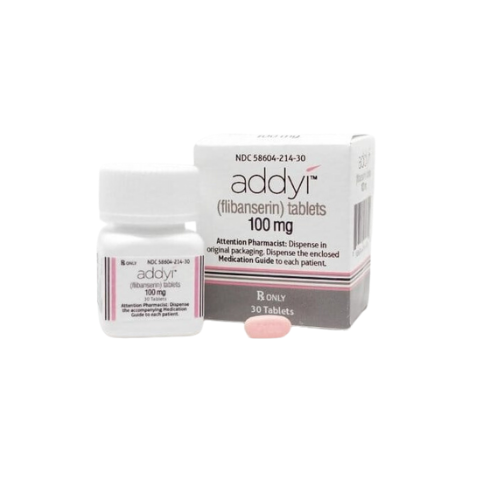
There is something fascinating about the way a single name can enter public life and immediately feel loaded.
Not just recognized, but charged. It gathers whispers, assumptions, hope, discomfort, marketing gloss, private curiosity, and the odd social instinct to look away while still wanting to know more. Some names do this because they belong to a trend. Others because they sit near subjects people rarely discuss without lowering their voice.
Addyi feels like one of those names.
Even before anyone gets into definitions or details, the shape of the conversation says a lot. It lands in that crowded crossroads where wellness language, expectation, identity, and intimacy all try to speak at once. That alone makes it interesting. Not because it demands expertise, but because it reveals how uneasy modern culture can be around desire when it refuses to fit a neat script.
The strange public life of private subjects
We live in a time when almost everything becomes discussable the moment it can be packaged. Sleep, focus, mood, confidence, appetite, energy, attention: all of it can be pulled into public vocabulary, renamed, branded, softened, and circulated. Yet desire still tends to be treated differently. It often arrives with layers of embarrassment, projection, or expectation that other experiences somehow escape.
That contrast is telling.
People can talk casually about productivity at brunch. They can swap notes on routines and rituals as if they are comparing weather. But once a subject touches vulnerability, partnership, self-image, or the pressure to feel a certain way on schedule, the tone changes. The room gets quieter. Language becomes indirect. People reach for euphemisms. Or they turn everything into a joke.
A name associated with that territory doesn’t just function as a label. It becomes a mirror for the culture around it.
Why certain names spark more than curiosity
Part of the intrigue comes from what people expect a name to solve.
Modern life has trained us to believe that if something feels complicated, there must be a tidy answer waiting in a box, a bottle, a system, or a subscription. That expectation does not come from nowhere. It comes from years of being told that every part of human experience can be optimized if we just find the right tool.
But intimacy has never been especially obedient to that logic.
It moves through stress, timing, memory, confidence, resentment, novelty, tenderness, fatigue, distraction, and the millions of invisible negotiations that make up a life. So when a product name enters that territory, people tend to project onto it far more than they would onto something simpler. It becomes a symbol of possibility for some, a symbol of skepticism for others, and for many, simply a sign that the conversation itself has changed.
That is often the bigger story: not the name, but the permission the name seems to create.
A cultural shift hidden inside a label
There was a time when whole categories of personal experience were expected to remain private in the most isolating sense of the word. Not intimate, exactly. Just unspoken. If something felt confusing, disappointing, or hard to explain, many people were expected to absorb it silently and move on.
Now the silence is thinner.
That does not mean the conversation is easy, and it certainly does not mean it is free of awkwardness. But it does mean more people recognize that inner life does not always line up with public assumptions. A person can appear happy, stable, connected, and still feel estranged from some part of themselves. They can love someone and still feel distance. They can want closeness and not know how to name what feels missing.
Seen from that angle, a name like Addyi becomes more than a product reference. It becomes part of a broader shift toward naming things that were once pushed into the background. Not solving them in any final way, perhaps, but at least making them visible enough to discuss.
For context, the product page for Addyi sits inside that wider modern habit of turning quiet subjects into searchable ones.
The tension between language and lived experience
What makes this especially compelling is the gap between public language and private reality.
Names are clean. Human experience is not.
A label can sound definitive, but the life around it remains messy, emotional, relational, and impossible to reduce to a neat phrase. That mismatch shows up everywhere now. We crave words that make things feel manageable, yet many of the most meaningful parts of life resist being managed so neatly.
This is why certain names linger in the mind. They hint at a promise of clarity while standing beside experiences that are anything but clear. They offer shape to something fluid. They make a hidden subject visible, even if visibility does not equal simplicity.
And perhaps that is their real cultural role. Not to flatten complexity, but to mark the moment when complexity can no longer be ignored.
What a name can reveal
In the end, the most interesting thing about a name like this may be how much it reveals about the rest of us.
How quickly we attach meaning. How eagerly we look for explanations. How uncomfortable we remain with uncertainty when it touches identity or connection. How badly we want language for experiences that do not fit neatly into everyday conversation.
Some names are just names.
Others arrive carrying a whole atmosphere with them, full of expectation and unease and curiosity. They tell us where culture is shifting, where silence is thinning, and where people are still trying to find words that feel honest enough for complicated parts of being human.