Some names arrive like products and stay like moods
A quiet look at how treatment names drift beyond labels and into the emotional weather of everyday life.
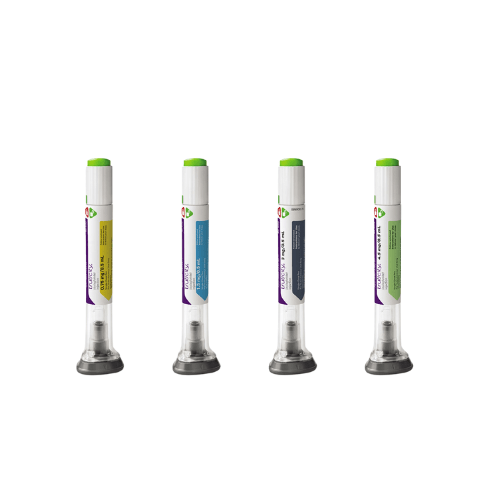
There is a particular kind of modern word that begins on a label and somehow ends up in conversation like a feeling.
You hear it in waiting rooms, group chats, half-finished searches, and those moments when someone lowers their voice just enough to signal that the subject is personal. A name like Trulicity doesn’t stay confined to packaging for long. It starts to collect tone. It gathers hesitation, curiosity, optimism, fatigue, and the strange formality that comes with anything linked to health.
That is part of what makes these names so interesting. They are designed to be precise, but they rarely live precise lives. Once they enter the world, they stop behaving like neat terms and start acting more like cultural objects.
More than a label
Most people do not encounter a treatment name in a vacuum. It usually arrives with context already attached: a recommendation, a routine, a question, a personal turning point, or a whispered “I’ve been hearing about this.” The word itself becomes shorthand for a larger story that may have very little to do with branding and everything to do with expectation.
That is why certain names feel oddly heavy, even when you know almost nothing about them. They carry the atmosphere around them. A person may not be discussing chemistry so much as they are discussing hope, discipline, frustration, or the effort of trying one more thing in a world full of instructions.
In that sense, the name becomes a small vessel for a much bigger human experience.
The language of trying
There is also something revealing about the way people talk around these subjects. Rarely in straight lines. More often in fragments.
- “I keep seeing it mentioned.”
- “Someone I know brought it up.”
- “It seems to be everywhere lately.”
- “I’m still figuring out what I think.”
That kind of language says a lot. It suggests that we often meet health-related ideas through atmosphere before understanding. First comes recognition, then association, and only later, if ever, clarity.
A single name can begin to stand in for a whole era of self-monitoring and self-explanation. We live in a time when personal wellbeing is discussed constantly, yet often in oddly impersonal terms. Lists, trackers, reminders, subscriptions, systems. Against that backdrop, a product name can seem almost too polished, too finished, compared with the untidy reality of how people actually live.
And still, people make room for it. They adapt it into their own vocabulary. They turn a formal term into something conversational, almost domestic.
When a word enters the room
Sometimes what stands out is not the name itself but the way it changes the room once spoken. Health-related words can do that. They introduce seriousness without warning. They can make an ordinary exchange feel suddenly intimate.
A friend mentions something in passing, and the conversation quietly shifts. Not into drama, necessarily, but into recognition. Bodies are never just background characters in our lives, no matter how much we pretend otherwise. The mention of a treatment name can remind everyone at the table that daily life is built around maintenance, uncertainty, and small private negotiations.
That may be why such names linger in memory. Not because they are poetic, but because they arrive attached to moments when people are trying to be practical about things that are not purely practical.
The polished word and the messy life
There is a subtle tension here that feels very contemporary. On one side: tidy names, clean categories, streamlined language. On the other: real routines, forgotten appointments, changing feelings, conflicting impressions, and the general unpredictability of being a person.
The polished word suggests order. The lived experience around it is often anything but orderly.
That gap is worth noticing. It says something about the way modern life packages complexity. We prefer names that sound manageable, pronounceable, self-contained. But the lives that encounter those names are rarely self-contained. They are woven into family habits, work schedules, finances, moods, and the thousand tiny practical details that shape what “routine” actually means.
A name like this can become a symbol of that mismatch: the neatness of the system meeting the untidiness of ordinary life.
Why these names stick
Not every branded word becomes memorable. The ones that do seem to catch on because they touch something already present in the culture: a desire for steadiness, a fascination with optimization, a weariness with trial and error, or simply the need to feel that there is a language for what people are navigating.
If a person stumbles across the Trulicity listing here, what they may notice first is not just the product itself, but the way a single name can hold so many assumptions around it. That is often how contemporary health language works. It doesn’t just identify something; it creates a small weather system of interpretation.
And maybe that is the most human part of it. We do not leave words alone. We give them context. We load them with mood. We place them inside stories that help us make sense of what would otherwise feel abstract.
So a name that began as a formal identifier can end up meaning something looser and more familiar: a possibility, a routine, a question mark, a conversation starter, a private calculation. Not a complete story, but a recognizable piece of one.
That transformation says less about the word itself than about us. We are always turning official language into lived language. We soften it, carry it, repeat it, and let it settle into the background hum of everyday life until it sounds less like a product and more like a sign of the times.