Some names arrive quietly and change the room
A small reflection on the strange weight certain names carry in everyday life, and how routine can make even the most private things feel public.
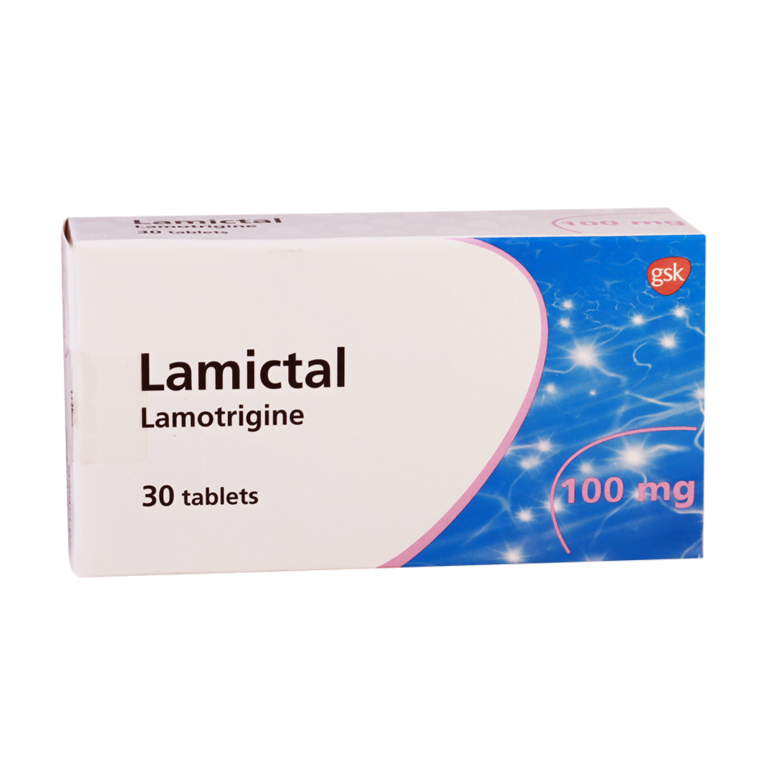
There are certain names that don’t behave like ordinary words. They enter a room differently. They sound practical on paper, almost flat, and yet they seem to collect a whole atmosphere around them.
A name like Lamictal belongs to that category. It can appear in a search bar, on a small box, in a kitchen drawer, in the low drama of a weekday morning. It may look clinical at first glance, but the life around it rarely is. The life around it is timing, habit, quiet negotiation, and the odd emotional weather of being a person who has to remember things.
What interests me is not the label itself so much as the way labels become part of a person’s landscape. Modern life is full of these compact words that begin as product names and slowly turn into markers of routine. They become shorthand inside households. They slip into calendar reminders. They sit beside coffee mugs and charging cables and folded receipts, as if they have always belonged among the objects of ordinary survival.
The private vocabulary of everyday life
Most people carry around a hidden dictionary. It includes names that mean almost nothing to outsiders and a great deal to the person living with them. These words are rarely poetic, but they gather meaning through repetition. They are spoken under the breath, typed into refill forms, remembered while packing for a trip, noticed when the bathroom shelf starts to look sparse.
That is one of the more overlooked features of contemporary life: how much emotional texture gets tucked into logistical language. We often imagine routine as dull, but routine is where people reveal an astonishing amount of care. The small act of keeping track of something, of making sure it is not forgotten, of noticing when it runs low, is not dramatic in the cinematic sense. Still, it has a narrative weight of its own.
A single name can come to represent steadiness, interruption, relief, annoyance, dependence on systems, trust in schedules, and the ongoing effort to remain in conversation with one’s own life. Not because the word itself is beautiful, but because repetition gives it gravity.
The aesthetics of the unglamorous
There is also something strangely revealing about the design of these objects and names. They are usually not trying to charm anyone. They are not souvenirs. They are not décor. They belong to the world of necessity, which has its own visual language: labels, containers, inserts, checkout confirmations, the muted promise of function.
And yet, the unglamorous things often tell the truth more clearly than the beautiful ones do. A person’s routines are more honest than their aspirations. The objects they return to every day say more than the objects they display for guests. Somewhere between the bedside table and the morning rush, between the forgotten item and the relieved rediscovery, a whole portrait of contemporary dependence takes shape.
Not dependence in a dramatic sense, but in the everyday human sense: we rely on systems, reminders, objects, names, and sequences. We rely on the fact that tomorrow will ask for many of the same things that today asked for. We build our days around that expectation.
When a word stops being just a word
Maybe that is why certain names feel unusually loaded. They are never only nouns. They become events. They become part of the choreography of leaving the house, part of the ritual of returning home, part of the low-level accounting people do in their heads while pretending they are thinking about something else.
There is a quiet intimacy in that. Not the kind that gets written into greeting cards, but the kind that shapes real days. If you’ve ever noticed how one practical item can alter the mood of a drawer, a bag, a countertop, then you already understand the feeling. A name becomes familiar enough to disappear, and important enough that its absence is immediately visible.
That tension feels very contemporary to me. We are surrounded by highly specific things that become emotionally invisible through use, until one moment reminds us they were carrying more meaning than we admitted. The ordinary object is suddenly not ordinary at all.
A brief reference point like Lamictal can open that wider reflection. Not because it explains a life, but because it hints at one. Behind a name sits a pattern. Behind a pattern sits a person trying to keep rhythm with a complicated world.
Routine as a form of interpretation
We often talk about identity as if it is built from big declarations, but much of it is built from repeated gestures. What we check before leaving. What we replace before it is gone. What we keep in the same place so we don’t have to think too hard when the day is already asking too much.
That is why these small names linger. They attach themselves to care, and care has a way of making language feel heavier than expected.
In the end, I think that is what stands out to me most: how a plain word can become part of the emotional architecture of a life. No grand speech, no dramatic transformation, just a quiet accumulation of meaning. Some names do not announce themselves. They simply remain, and in remaining, they shape the room.