Some names arrive sounding more like moods than objects
A quiet look at how certain beauty products drift beyond the shelf and into the language of aspiration, routine, and modern self-editing.
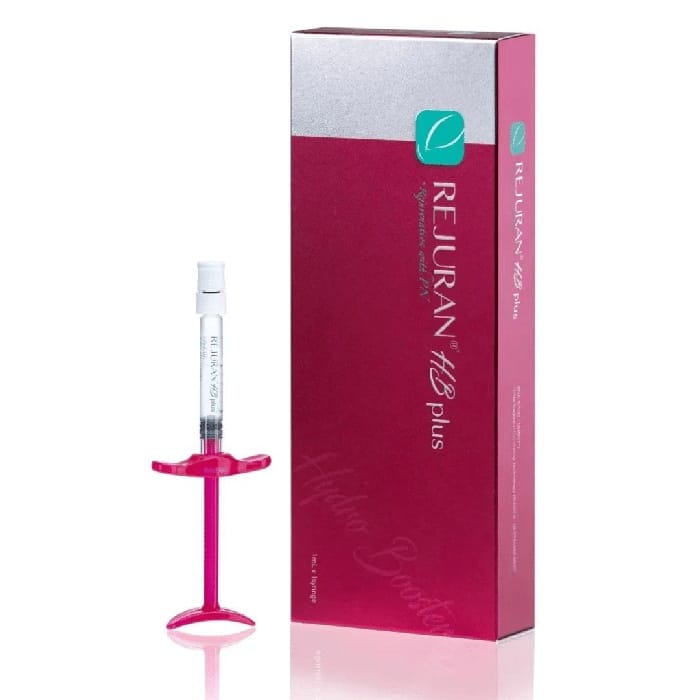
There is a particular kind of product name that doesn’t behave like a label. It lands more like atmosphere.
You see it once, perhaps on a clinic menu, a shopping page, or in the low-key chatter of people comparing rituals the way earlier generations compared perfumes. It doesn’t immediately tell you what it is in plain, practical language. Instead, it suggests a feeling first: polish, precision, softness, renewal, maybe even belonging. That is part of its power.
In recent years, the beauty world has become crowded with names that sound almost cinematic. They carry a faint sense of futurism, as if they were designed not just to identify a product but to place it inside a lifestyle already shimmering in someone’s imagination. A bottle, a treatment, a formula, a phrase on a screen—somehow it all becomes larger than the object itself.
The era of the elegant code word
We live in a moment when aesthetic culture loves shorthand. Entire routines are compressed into two-word phrases. Complex desires are folded into a single polished term. What used to be discussed in long, descriptive sentences is now often reduced to a name that signals taste, access, and a certain visual vocabulary.
That is why product-led language has become so interesting. A name can travel before the thing does. It moves through social feeds, private recommendations, screenshots, and whispered endorsements. By the time someone encounters the actual item, they may already have absorbed a mood around it.
This is not exactly marketing in the old sense. It feels more ambient than that. It is less about being persuaded and more about being surrounded.
And that surrounding effect says something revealing about contemporary beauty culture: people are often not only seeking results, but also a story they can step into. The name becomes the first chapter.
More than utility, less than fantasy
What makes these names compelling is the delicate balance they hold. They cannot be too literal, or they lose intrigue. They cannot be too abstract, or they float away from usefulness. So they settle into an in-between space: technical enough to sound credible, graceful enough to sound aspirational.
That middle ground is where modern beauty now lives. Not purely practical, not purely dreamy. A blend of lab language, luxury cues, and emotional projection.
It mirrors the way many people relate to self-maintenance today. Few routines are only routines anymore. Skin care, hair rituals, treatments, wellness habits—these are often tiny acts of narrative. People build meaning around them. They arrange bottles and appointments and recommendations into something that feels like authorship over the self.
Seen that way, a product page like this one becomes interesting not because it explains everything, but because it participates in a much larger visual and cultural language.
The shelf as identity theater
There was a time when the bathroom cabinet hid things. Now the shelf performs.
Even when no one else sees it, people often curate their routines with the eye of an editor. Packaging matters. Names matter. The emotional weather around a product matters. An elegant object can make a daily ritual feel less like maintenance and more like intention.
This may sound superficial, but it also feels deeply human. We have always used objects to tell ourselves who we are becoming. Clothes did that. Fragrance did that. Stationery, watches, and carefully chosen coffee mugs did that too. Beauty products simply joined the same tradition, though in a more intimate register.
A name with a slightly mysterious quality invites projection. It asks the user to complete the image. It suggests that transformation is not only visible but narratable.
Why the mysterious names linger
Some names disappear the moment you scroll past them. Others cling to memory, even when you couldn’t fully explain why. Usually it is because they offer just enough clarity to feel intentional and just enough ambiguity to feel elevated.
That ambiguity leaves room for longing, and longing is one of the most effective engines in modern consumer culture. Not loud desire, necessarily. Often it is quieter than that. A wish to look a little more rested. To seem a little more composed. To feel more in step with the version of oneself that exists in flashes, mirrors, and morning light.
The product becomes a symbol before it becomes an object. Sometimes that symbol is confidence. Sometimes it is upkeep. Sometimes it is simply the comfort of participating in a world that appears refined and controlled.
A small portrait of the present
Looking at the language around beauty now, it becomes clear that we are not just buying formulas, tools, or appointments. We are moving through a culture of cues. Sleek names, restrained design, soft promises, visual minimalism—together they create a mood of modern care that feels both intimate and performative.
And maybe that is why certain names stand out. They do not only point to a thing. They reflect the era that produced them: one fascinated by subtle upgrades, by polished surfaces, by the idea that reinvention should look effortless.
The most memorable products are rarely memorable for utility alone. They linger because they capture a desire that is bigger than the shelf, and quieter than a trend forecast. They speak in the dialect of becoming.
Sometimes that is all a name has to do: suggest that the ordinary ritual in front of the mirror belongs to a larger story, and let the imagination take it from there.