Some names arrive wearing more meaning than they explain
A small product name can open a much larger conversation about polish, perception, and the quiet rituals of modern appearance.
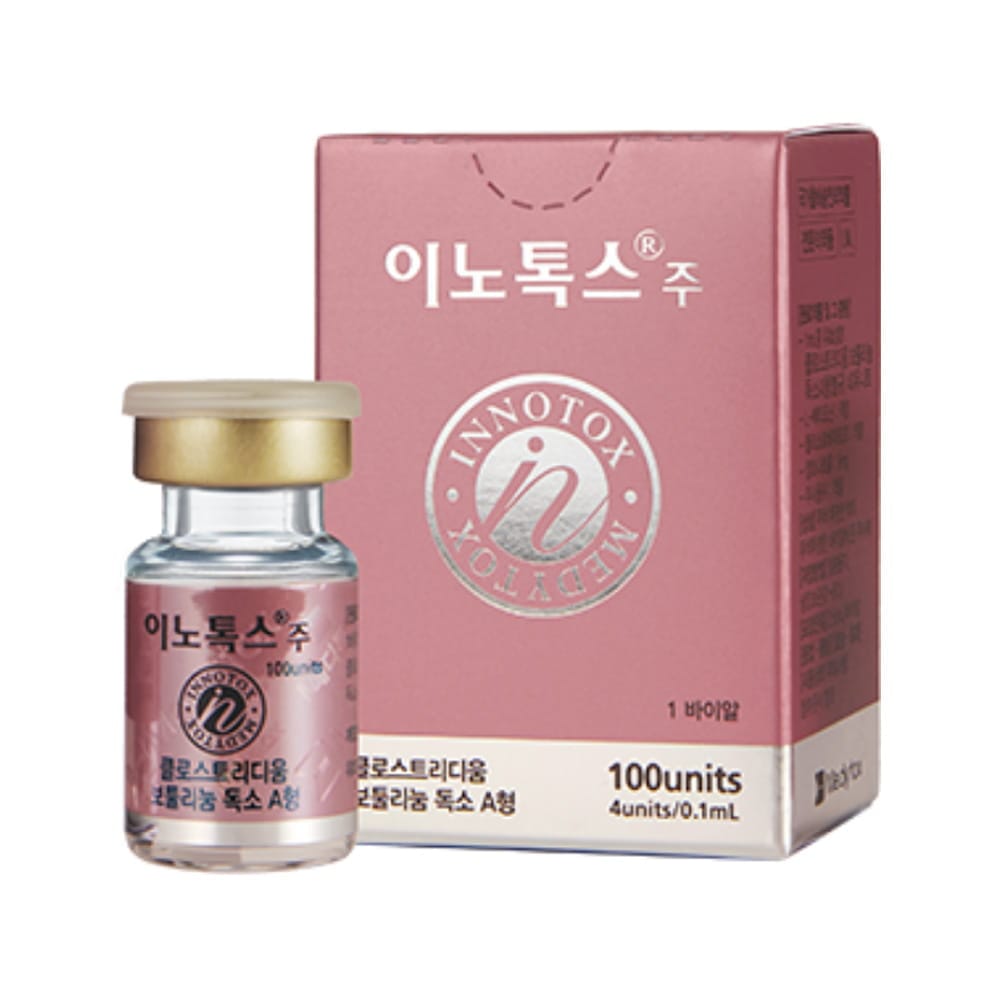
Some product names feel less like labels and more like moods. They arrive carrying a certain temperature with them: polished, futuristic, faintly whispered. I had that reaction when I noticed a listing for Innotox online. Not because a product page can tell the whole story of anything important, but because certain names immediately summon a wider atmosphere around them.
That atmosphere is familiar now. We live in a time when appearance is discussed in two voices at once. One voice is casual, almost playful, treating beauty as routine maintenance, another drawer to organize, another small decision in an already crowded week. The other voice is quieter and more loaded, tied to identity, aging, visibility, and the strange pressure to seem effortless while putting in real effort.
Somewhere between those voices is where names like this land.
The language of polish
There is something revealing about the way modern beauty culture names things. The words often sound clean, exact, slightly engineered. They suggest smoothness before anyone has explained what smoothness is supposed to mean. They imply control in a world where very little actually feels under control.
That may be part of the appeal. Not just the object itself, whatever category it belongs to, but the promise embedded in the sound of it. A sleek name can make an idea feel less intimidating. It can turn complexity into design. It can make a choice feel contemporary instead of emotional.
And yet appearance is rarely just contemporary. It is deeply emotional, even when people pretend otherwise.
The small theater of looking put together
There is a quiet theater in everyday presentation. Not the dramatic version seen in before-and-after culture, but the subtler one most people know well: the mirror check before leaving, the strategic lighting, the tiny negotiations with fatigue, time, and self-image. So much of modern grooming lives in that territory of minor adjustment.
What makes this fascinating is how ordinary it has become to discuss refinement without calling it transformation. Big reinvention sounds suspicious now, almost outdated. The preferred aesthetic is often softer than that. People want to look rested, intentional, somehow edited but not obvious. The dream is not to become someone else. It is to remain legible as yourself while removing whatever feels distracting.
That impulse extends far beyond beauty. It echoes in the way we clean up our digital identities, tidy our homes before guests arrive, rewrite messages before sending them, and crop photos until they resemble how we meant to feel. The urge is less about vanity than about coherence. We want the outside version of life to match the inside narration, or at least not contradict it too sharply.
Why certain products become cultural shorthand
Some items drift beyond their shelves and become symbols. Not because everyone uses them, but because everyone recognizes the kind of desire they stand near. They become shorthand for a broader wish: to soften, refine, correct, refresh, hold something in place.
That is why even a brief encounter with a product name can feel oddly evocative. It is rarely just about the item. It is about the surrounding ecosystem of aspiration, maintenance, caution, curiosity, and image management. A whole cultural vocabulary gathers around these objects, often without saying itself out loud.
There is also the matter of secrecy changing shape. Older beauty rituals often hid themselves. Newer ones are half-hidden, half-confessed. People mention treatments, routines, and enhancements with a tone that suggests both honesty and selective framing. The modern aesthetic confession is careful: transparent enough to seem unashamed, vague enough to protect the illusion of ease.
That balancing act says a lot about the moment we are in.
The appeal of the almost invisible
What stands out most, perhaps, is the preference for results that do not announce themselves. The ideal in many corners of beauty culture is not spectacle. It is subtlety. The compliment people seem to want is not “You changed,” but “You look well.” That tiny difference has shaped an enormous market of attention.
It also reveals a broader social habit. We increasingly admire intervention that leaves no fingerprints. Better systems that do not look systematized. Better spaces that do not look staged. Better faces that do not look altered. The invisible hand is always more fashionable than the obvious one.
That can be liberating in some ways, but it can also be exhausting. When the standard becomes effortless refinement, effort does not disappear. It just moves backstage.
A name, a mood, a mirror
Maybe that is why certain names linger after you read them. They seem to belong to more than commerce. They reflect the era that produced them: streamlined, aesthetic, slightly technical, emotionally loaded beneath the surface.
A single product page cannot explain why people chase polish, or why self-presentation now carries the weight of self-authorship. But it can hint at the cultural weather. And sometimes that is enough to start noticing how many of our choices are really choices about visibility: how much to reveal, how much to revise, how natural we hope our intentions will appear.
Some names do that. They pass by quickly, then leave behind a larger question in the mirror.