Some names enter a life before their meaning does
A quiet look at how unfamiliar medication names become part of ordinary routines, conversations, and the strange poetry of modern care.
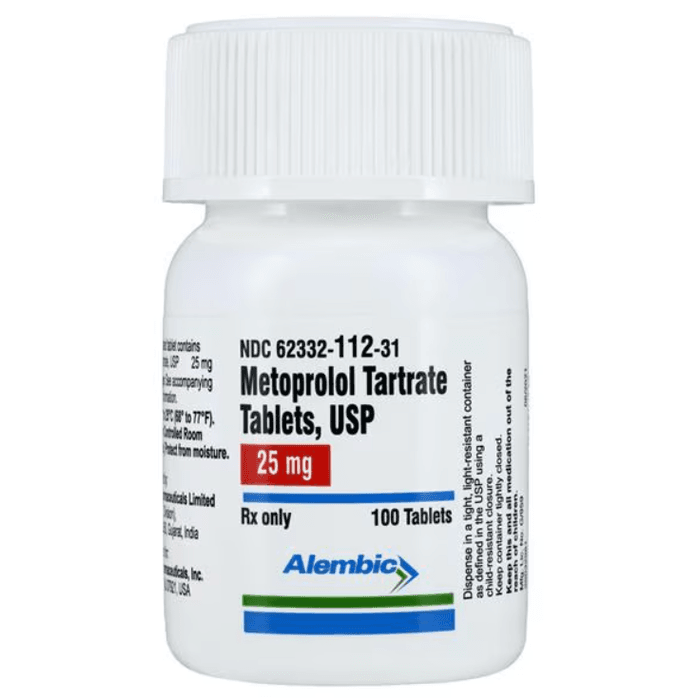
There is something oddly intimate about the moment a new word enters a household and stays.
Not a lyrical word. Not one chosen for beauty. A printed, clinical-looking word, often long enough to feel impersonal at first glance. It appears on a label, in a conversation, in a pocket of the week where errands and obligations already live. And then, almost without ceremony, it becomes familiar. Not friendly, exactly. Just present.
That is part of what makes medication names so culturally interesting. They begin as technical language and end up woven into daily life. A name that once looked like a puzzle starts sounding ordinary in the kitchen, in a bag by the door, in the soft shorthand of family check-ins. “Did you remember?” becomes less about the word itself and more about what the word now represents: routine, attention, care, time.
When a label becomes part of the day
Modern life is full of systems that ask us to trust what we do not fully decode. We board planes without understanding aerodynamics. We sign into devices without picturing the architecture behind them. Medicine names live in that same territory of partial understanding. Most people are not trying to become fluent in pharmacological language. They are trying to live inside a day that still has dishes, traffic, deadlines, and weather.
So the name becomes a kind of practical symbol. It stands in for a moment of pause. A reminder. A tiny ritual. Water poured into a glass. A cabinet opened. A pill organizer clicked shut. The choreography matters as much as the vocabulary.
In that sense, a medicine name can become less like information and more like furniture: something that quietly reshapes the room once it arrives. The room is still the room. The day is still the day. But the edges of both have changed.
The private language of being looked after
There is also a social side to these names that rarely gets much attention. They create small circles of understanding. A person hears a word in a clinic, another repeats it at home, someone else writes it into a notes app, a calendar, a refill reminder. Soon the term belongs not only to the person taking it but to the network around them.
That is a very contemporary kind of intimacy. We often talk about care in emotional terms, and rightly so, but there is another version of care that lives in administration, memory, and repetition. It shows up in the unglamorous details. The exact pronunciation people slowly agree on. The folded paper left on a counter. The spare packet tucked into a bag “just in case.”
These gestures can look mundane from the outside. But ordinary life is built from mundane gestures. The emotional weather of a home is often shaped by the smallest repetitions.
Why unfamiliar words can feel heavy
A medication name can carry a surprising emotional charge, not because of the syllables themselves but because of timing. Often, it appears when something has shifted. A routine has changed. A concern has been named. A person has had to pay attention in a new way.
That is why the word may feel larger than it is. It is not merely a term; it is a marker. It divides time into before and after. Before we knew this word. After it became part of the drawer, the schedule, the vocabulary.
Yet familiarity has its own quiet power. Repetition softens the sharpness of many things. What first sounded cold can begin to feel neutral, then ordinary, then almost oddly comforting in its predictability. Not because the subject is simple, but because humans are skilled at domesticating complexity. We make room for what we must. We learn the shape of new routines the way eyes adjust to a dim room.
A name in the middle of everything else
What is striking is how little these names care about the drama we assign them. They sit there in plain text while life continues around them. Groceries still need carrying. Messages still go unanswered. Laundry still gathers. Seasons still change. A medication name becomes one more thread in the fabric, not the whole fabric.
That may be the most honest perspective of all. Health-related routines do not exist in a separate universe reserved for seriousness. They happen in the same life that contains jokes, boredom, spilled coffee, lost receipts, and the question of what to make for dinner.
Maybe that is why a page like this one can feel like more than a product listing at a glance. It represents the way abstract systems meet ordinary people: through names, objects, habits, and the quiet negotiations of a normal day.
In the end, some words do not become meaningful because we study them deeply. They become meaningful because we live beside them long enough. And that, for better or worse, is how much of adulthood works. We inherit unfamiliar language, carry it through repetition, and slowly turn it into something that fits inside the story of a life.