Some names enter a life quietly
A small reflection on how certain names move from labels on a box into the background rhythm of ordinary days.
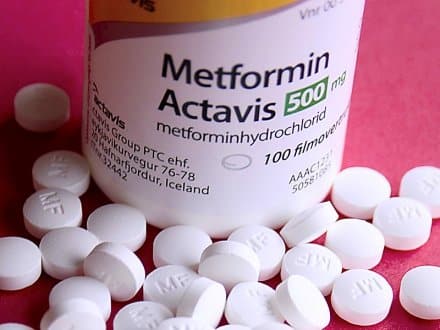
There are some words people meet in passing and never think about again. Then there are the names that arrive quietly and stay, not as grand ideas but as part of the furniture of everyday life. Metformin is one of those names. Even if someone first encounters it in a clinical setting, it rarely remains there in the imagination. It starts to belong to cupboards, calendars, routines, small hesitations, and the private language people build around managing themselves.
What fascinates me about names like this is how quickly they stop sounding like products and start sounding like chapters. Not dramatic chapters, either. More like the understated kind that happen in kitchens before work, in handbags, in notes scribbled on receipts, in conversations cut short because everyone in the room already understands enough. A name can begin as a label and become a kind of atmosphere.
The ordinary gravity of a medicine name
Some subjects live loudly in public culture. They become headlines, debates, trends. Others move differently. They travel through households in a quieter way, carried not by spectacle but by repetition. Over time, a single word starts to collect stories around it. It becomes associated with intention, patience, annoyance, discipline, adaptation, and all the little negotiations that come with being human.
That may be why medication names can feel oddly intimate even to people who have never used them. They circulate through families and friendships, overheard in fragments. Someone mentions a refill. Someone else talks about getting used to a new rhythm. A parent says the name one way, a friend says it another, and before long it is no longer just terminology. It is part of a household vocabulary, softened by use.
There is something revealing in that shift. Modern life often asks people to speak about themselves in systems: schedules, appointments, labels, plans. Yet what matters most is usually not the system at all. It is the texture of living around it. The missed train because the morning ran long. The drawer where important things gather. The casual way a once unfamiliar word becomes unremarkable.
When a label becomes a routine
Routine has a strange power. It can make almost anything feel less intimidating, but it can also make things feel heavier by reminding us how often we return to the same acts. A medicine name, repeated enough, starts to sit somewhere between those two poles. It can signal steadiness. It can also signal the undeniable fact that life is not entirely spontaneous; much of it is built from repetition.
That tension is part of why topics like this resonate beyond their packaging. They touch a nerve in contemporary culture: the hope that life can be both managed and still feel like life. We want systems that support us without swallowing us. We want language that clarifies without reducing us to a checklist. And so certain names become symbols of something larger than themselves. Not miracles, not villains, just markers of the ongoing effort to live with some measure of balance.
I think that is why pages like this reference to metformin can feel significant even when they appear simple on the surface. They point to a much broader world than the one contained on a label. They hint at all the unseen ways people organize their days around care, responsibility, and the hope of continuity.
The culture of quiet adjustments
There is a whole culture built from small adjustments, and it rarely gets described with much poetry. It is the culture of keeping track, checking in, noticing patterns, and folding new habits into old lives. Not glamorous, not cinematic, yet deeply familiar. In that world, significance is often measured not in dramatic transformations but in whether something can be carried into an ordinary Tuesday.
That is where a lot of modern identity lives now: not in big declarations, but in subtle accommodations. People learn new vocabularies. They develop preferences, rituals, shortcuts. They become translators of their own lives, turning technical language into something usable and human. A once unfamiliar word settles in, loses its edge, and becomes part of how a person narrates their own day.
Maybe that is the most interesting thing about a name like Metformin. It does not only belong to medicine. It belongs to the broader story of how people absorb difficult, practical, necessary things into the texture of normal life. It belongs to the private skill of making room.
And making room is no small thing. It is a cultural act as much as a personal one. It reflects how we live now: with lists and reminders, with information always nearby, with a steady effort to turn complexity into something manageable. Some names remain technical forever. Others cross a threshold and become part of ordinary speech, ordinary memory, ordinary time.
That crossing is easy to overlook because it is so quiet. But quiet changes are often the ones that last. A word enters the room as a stranger and, before long, no one remarks on its presence. It is simply there, woven into the day, carrying far more human meaning than its syllables first suggest.