Some names enter life like weather
A quiet look at how certain words become part of daily life, carrying hope, hesitation, and the strange familiarity of modern care.
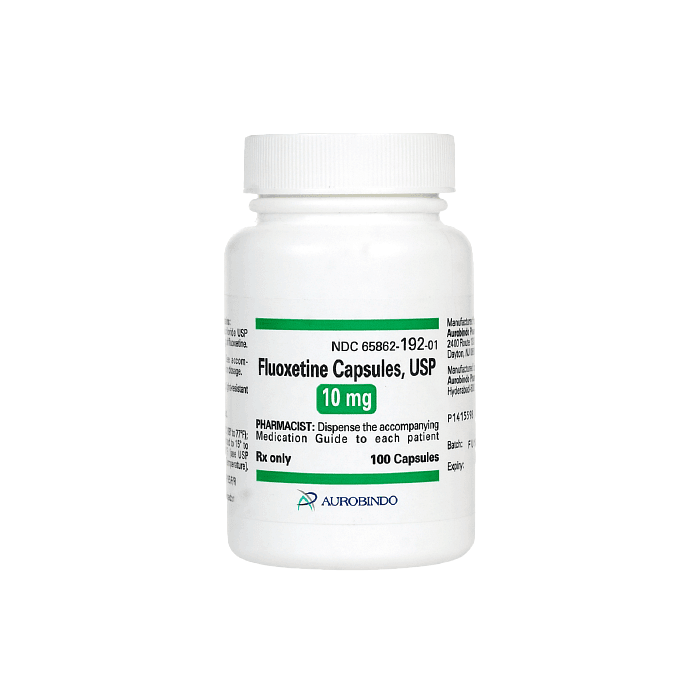
There are some words people say with the softness usually reserved for seasons, cities, or songs they once loved. They begin as unfamiliar syllables, maybe printed on a label or mentioned in a waiting room, and before long they settle into the background of ordinary life. Not dramatically. Not all at once. More like weather moving in.
Fluoxetine is one of those names.
It does not arrive in conversation like a grand idea. It tends to appear in the smaller spaces of life: in the pause before someone says they are trying to feel more like themselves again, in the careful language people use when talking about change, in the modern habit of translating private struggle into something that can be named. A word like this can feel strangely technical and deeply personal at the same time.
That contradiction says a lot about the era we live in. We are surrounded by language that sounds clinical on the surface but carries emotional weight underneath. The names themselves can seem almost detached, as if they belong to a shelf, a form, a system. Yet once they enter a person’s day-to-day world, they stop being abstract. They become part of routine, part of conversation, part of the quiet architecture of how people get through a week.
The vocabulary of being better
For a long time, many people were taught to talk about inner life in vague, weathered phrases. Feeling off. Going through a patch. Just tired. Just stressed. That language still exists, of course, and maybe it always will. But there is also a newer vocabulary now, one shaped by prescriptions, health portals, pharmacy counters, and the casual openness of online life.
In that vocabulary, certain names begin to carry more than their literal meaning. They hold expectation. Hesitation. Relief. Ambivalence. Sometimes all of that at once.
That is why a single product page, like the one found here, can point to something larger than a transaction. It reminds us that contemporary life is full of objects and names that sit at the crossroads of private feeling and public systems. A person may encounter a word like this alone, but they never encounter it outside culture.
The odd intimacy of labels
There is something undeniably strange about how people build relationships with names they never expected to know. At first the word can sound external, almost official, as if it belongs to someone else’s story. Then repetition changes it. The unfamiliar becomes pronounceable. The pronounceable becomes ordinary. The ordinary becomes threaded into life.
This is not really about any one product. It is about the broader human pattern of taking something formal and making room for it in a deeply informal life. Kitchen counters. Coat pockets. Calendar reminders. Half-finished cups of coffee. Conversations between friends that begin with, “I don’t know, I’ve just been thinking.”
Modern care often enters through those domestic details. Not as a revelation, but as an adjustment. Not as a dramatic before-and-after, but as one more thing woven into the fabric of trying.
Between stigma and small talk
What feels especially contemporary is how these names move between secrecy and casualness. In one setting, they are spoken carefully, almost in a whisper. In another, they surface with surprising ease, folded into everyday conversation alongside sleep, burnout, work, and weather.
That shift does not mean the subject has become simple. It only means the borders around it are changing. The old silence is less absolute than it once was, but openness has its own texture too. People still weigh how much to say, when to say it, and what a name might reveal. A single word can sound like information to one person and vulnerability to another.
Maybe that is why these names carry such a curious emotional charge. They are practical, yes, but they are never only practical. They can symbolize effort. Or uncertainty. Or the decision to stop pretending that endurance is the same thing as ease.
A name in the landscape
It is easy to imagine that products belong only to commerce, and that feelings belong somewhere else. But real life rarely keeps such neat categories. The modern landscape is full of overlaps: medical language in intimate spaces, personal questions routed through systems, emotional life reflected back through packaging, portals, and pharmacy receipts.
Seen that way, a name like Fluoxetine becomes less a cold term and more a cultural artifact. It tells a story about how people live now—how they seek steadiness, how they navigate uncertainty, how they use language to make difficult things more manageable. It also shows how quickly a once-foreign word can become part of a household’s rhythm.
Maybe that is the quietest truth here. Certain names do not become important because they are poetic. They become important because people carry them through ordinary days. And ordinary days, more than almost anything else, are where meaning settles.
Some names enter life loudly, attached to trends or headlines. Others arrive softly and stay. They live in drawers, in conversations, in routines, in the private grammar of trying to feel okay in a complicated world. They come in looking like labels and end up sounding, somehow, like weather.