Some names live quietly in other people’s routines
A small reflection on the private language of treatment, routine, and the oddly quiet place certain names occupy in everyday life.
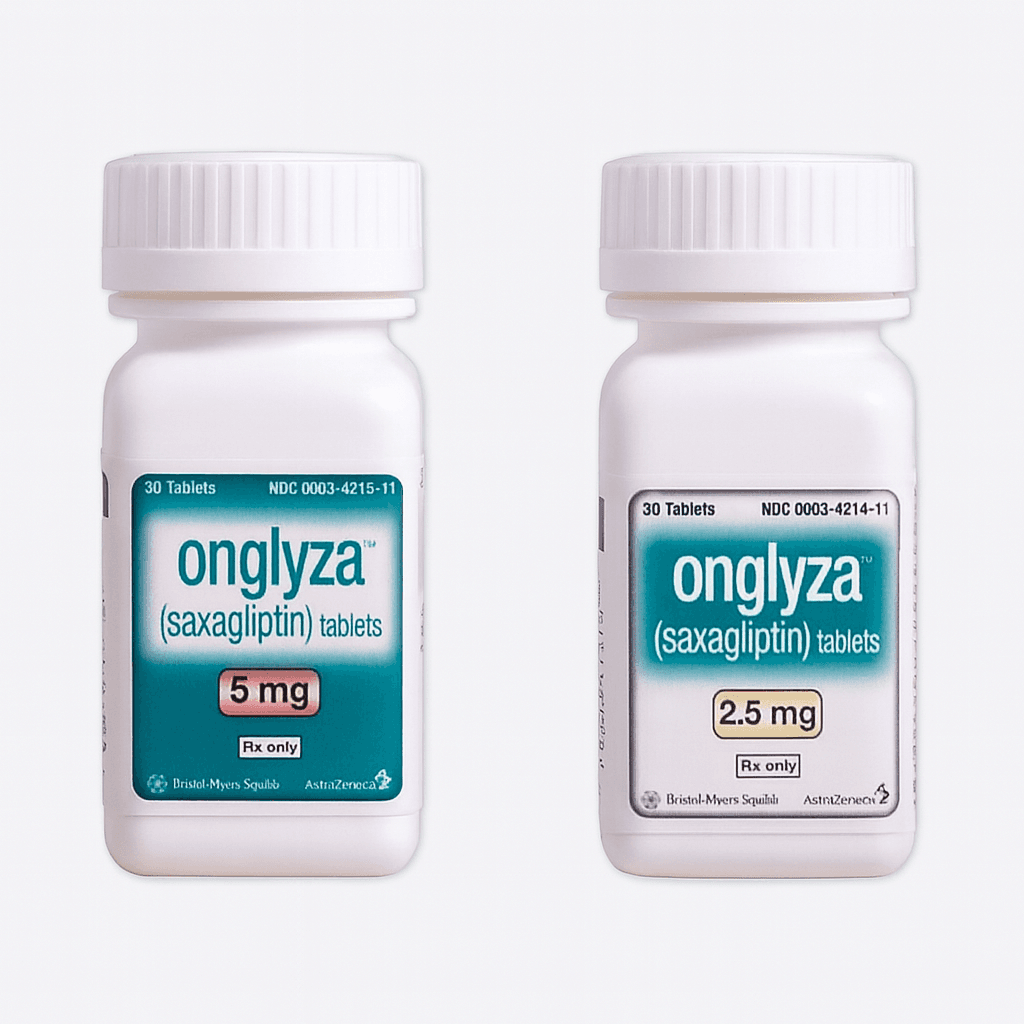
There are names you hear in public and names you only encounter in passing, almost by accident. They appear on pharmacy bags, in the corner of a kitchen counter, in a conversation that lowers its voice without meaning to. Onglyza feels like one of those names: familiar to some, nearly invisible to others, part of a daily rhythm that rarely gets described out loud.
What interests me is not the product-page version of such a name, but the social life around it. The way a medication can be central to someone’s routine and still remain culturally quiet. We live in a time when people narrate everything — morning habits, sleep rituals, workout plans, the exact order of their skincare — and yet treatment often stays offstage, tucked behind cabinet doors and ordinary errands.
That silence is not always dramatic. Sometimes it is simply practical. A person reaches for water, opens a bottle, moves on with the day. No speech, no ceremony, no moment designed for an audience. In a culture obsessed with optimization, there is something almost radical about a routine that does not perform itself.
The hidden architecture of ordinary days
Many of the most important structures in life are the least visible. The hinge on a door. The note in a calendar. The object returned to the same shelf every evening. Treatment routines often belong to that category: not glamorous, not especially shareable, yet quietly formative.
A name like Onglyza enters that architecture not as a headline, but as a marker of consistency. It belongs to the world of repeat actions, of unremarkable diligence, of the kind of attention that builds a life from the inside. That may be why product names can seem oddly detached from the lives around them. The branding is public; the experience is private.
And maybe that gap is worth noticing. So much of modern language is designed to sound bold, disruptive, life-changing. But the reality of many health-related routines is softer than that. More domestic. More woven into everyday logistics than into dramatic transformation.
Why these names feel both familiar and distant
There is a peculiar effect certain medical names have. You may recognize the word without knowing much about it. You may have seen it while scrolling, heard it mentioned once, or glanced at it on a page like this listing and moved on. It sits in memory the way a street name does in a city you do not live in: specific, real, connected to somebody’s route, but not yet part of your own map.
That distance creates room for assumption. People often imagine treatment as either a crisis or a cure, as if every medication enters life with a dramatic soundtrack. But for many people, it is closer to infrastructure than narrative. Less plot twist, more calendar. Less announcement, more continuation.
This is one reason medicine-related conversations can feel strangely mismatched in public. The language around them is often formal, commercial, or technical, while the lived experience is domestic and intimate. One side speaks in labels and listings. The other lives in drawers, bags, reminders, travel plans, and the small negotiations of everyday time.
A quieter kind of modern identity
There is also something revealing about how people carry these routines without making them the whole story. A person can have a treatment schedule and still spend most of the day being a parent, a coworker, a neighbor, a friend, someone answering emails, reheating coffee, forgetting where they left their keys. The routine matters, but it does not erase everything else.
That feels important in an era when identity gets flattened so easily. We sort each other into visible categories and polished narratives. Yet many of the truest details of life are not the ones people lead with. They are the ones folded into repetition.
Perhaps that is why certain names feel charged even when spoken casually. They point to a dimension of life that is real but not always displayed. Not secret, exactly. Just protected from spectacle.
The private dignity of maintenance
There is dignity in maintenance, though our culture rarely celebrates it. We applaud breakthroughs, reinventions, dramatic before-and-after stories. We are less fluent in the language of steady care. But a great deal of adulthood is built on maintenance: keeping things going, making adjustments, noticing what must be remembered tomorrow.
A name like Onglyza, then, can be read as more than a product label. It can stand in for a whole category of quiet responsibility — the part of life that asks not for applause, but for steadiness. That is not a sentimental point. It is simply an acknowledgment that many meaningful acts happen without an audience.
And maybe that is the most interesting thing about names like this. Not what they promise in public language, but what they reveal about private life: how much of being human involves repetition, discretion, and the humble art of continuing.
In the end, some names become part of culture by becoming part of routine first. They settle into homes before they enter conversation. They matter before they are discussed. And in that way, they tell a larger story — not just about treatment, but about how people live with the things that support them quietly.
https://canadianinsulin.com/product/buy-onglyza-2-5mg-5mg-online/