Some names sound like a promise before you know the story
A quiet look at how unfamiliar product names can carry mood, meaning, and expectation long before they become understandable.
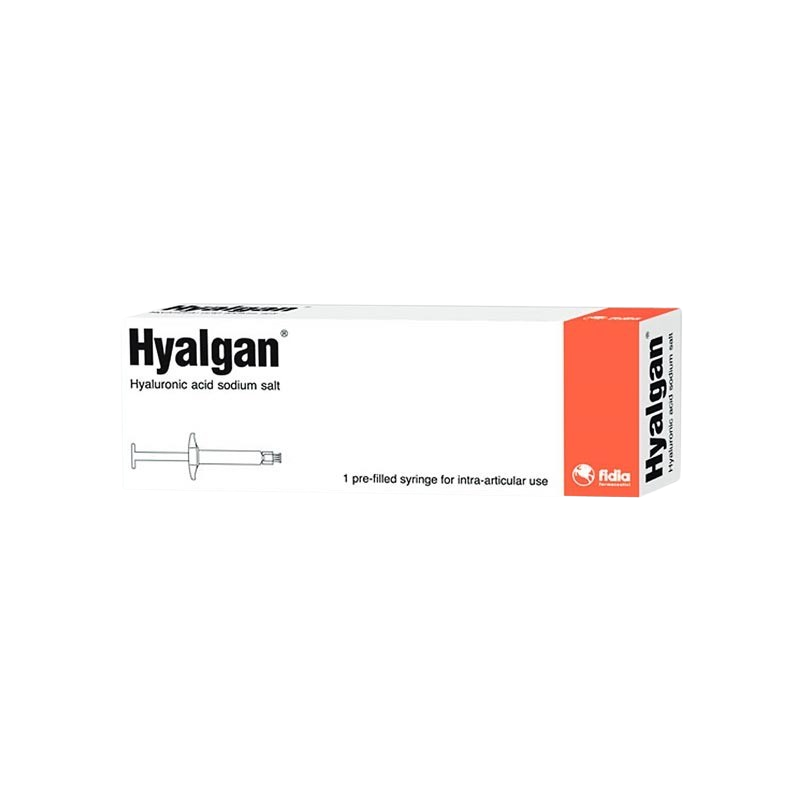
There is a peculiar moment that happens when you encounter a name with no context. It sits there, polished and self-contained, asking to be felt before it can be understood. Some names sound technical, some sound elegant, and some seem to arrive with an atmosphere already attached to them. Hyalgan is the kind of word that does that. It does not explain itself. It simply appears, and in appearing, suggests a whole world of intent.
That may be why product language can be so strangely memorable. Long before anyone knows what something is for, the name has already done a little work. It has shaped expectation. It has chosen a mood. It has hinted at seriousness, precision, or reassurance without saying any of those things aloud.
The emotional life of a label
We like to imagine that names are neutral containers, but they rarely are. A label can sound soft or severe. It can feel modern, clinical, gentle, futuristic, or oddly intimate. Often, it is designed to travel across borders and still remain legible in spirit, even when the details around it shift into different languages, different packaging, different settings.
That is what makes a title like this so interesting. It carries the polished confidence of something meant to be recognized quickly, yet it also has a slightly mysterious edge. You do not meet it the way you meet a common household word. You meet it the way you meet signage in a place where expertise lives: a shelf, a cabinet, a catalogue, a carefully arranged page.
There is a larger cultural habit wrapped up in this. We have become fluent in names we do not truly decode. We scroll past them, store them in memory, and absorb their tone more than their meaning. In many corners of modern life, branding and terminology work like weather. They create a feeling around us before we stop to inspect the forecast.
When language borrows authority
Words attached to health, science, or care often borrow a special kind of gravity. Even when they are unfamiliar, they seem to arrive already wearing a uniform. Part of that comes from sound. Certain combinations of syllables suggest structure and research. They feel assembled rather than invented, as though they belong to a larger system that exists whether we understand it or not.
And yet, for most people, the first encounter is not intellectual. It is aesthetic. The eye notices shape. The ear notices rhythm. The mind starts quietly filling in the blanks. Is this meant to reassure? To sound advanced? To feel international? To imply trust through neatness alone?
These questions are less about any single item than about the environment we live in. We are surrounded by highly intentional naming. From skincare to supplements to tools of every kind, the modern marketplace is full of words designed to sound credible before they sound personal. Sometimes they seem almost weightless in their elegance. Sometimes they feel like little machines made of language.
The strange comfort of unfamiliar precision
There is also a paradox here. Familiar words comfort us because we know them. Unfamiliar words can comfort us because they suggest specialization. The less conversational the name, the more it can seem to belong to a world of exactness. That does not necessarily make it clearer. But clarity is not always the first thing people respond to. Often, they respond to the impression that someone, somewhere, has already handled the complexity.
That may be why product pages with concise names and minimal decoration can feel oddly compelling. They invite curiosity by withholding narrative. They do not tell a big story; they imply a contained one. If you happen upon a page like this listing, what stands out first is not explanation but form: the clean singularity of the name, the sense that it belongs to a category with its own private grammar.
More than information
We often talk about labels as if their job is purely descriptive. But anyone who has paused over a name knows that description is only half the story. The other half is atmosphere. A name can make something seem accessible or distant, gentle or formal, everyday or specialized. It can create a threshold feeling: not exactly welcoming, not exactly forbidding, but distinct enough to say, this belongs to a certain kind of world.
That threshold matters because so much of contemporary life is mediated through packaging and presentation. We encounter objects through screens, thumbnails, names, and fragments. The result is a kind of ambient literacy where people become sensitive to tiny cues: typography, spacing, the shape of a trademarked word, the confidence of a sparse product title.
Maybe that is why certain names linger. Not because they have told us everything, but because they have told us just enough about the room they come from.
A name before a narrative
There is something almost literary about that. A proper noun appears, and the mind starts building scenery around it. In one setting, it feels industrial. In another, refined. In another, quietly reassuring. The object itself may belong to a highly practical world, yet the name travels differently. It lives in memory as tone.
And perhaps that is the small, curious truth underneath all this: sometimes what we first notice is not purpose, but posture. Not explanation, but presence. A single unfamiliar word can reveal how much of modern perception is shaped by style, expectation, and the stories we instinctively attach to precision.
That does not make the name deceptive or magical. It simply makes it human. We notice signals before systems. We feel language before we categorize it. And every so often, a name reminds us that meaning is not always delivered in a neat sentence. Sometimes it arrives as a mood, standing quietly at the edge of understanding.
https://medwholesalesupplies.com/product/hyalgan-english-1-syringe/