Some promises feel immediate, but time is rarely that simple
A quiet look at why timing, expectation, and confidence often matter as much as the thing people think they’re measuring.
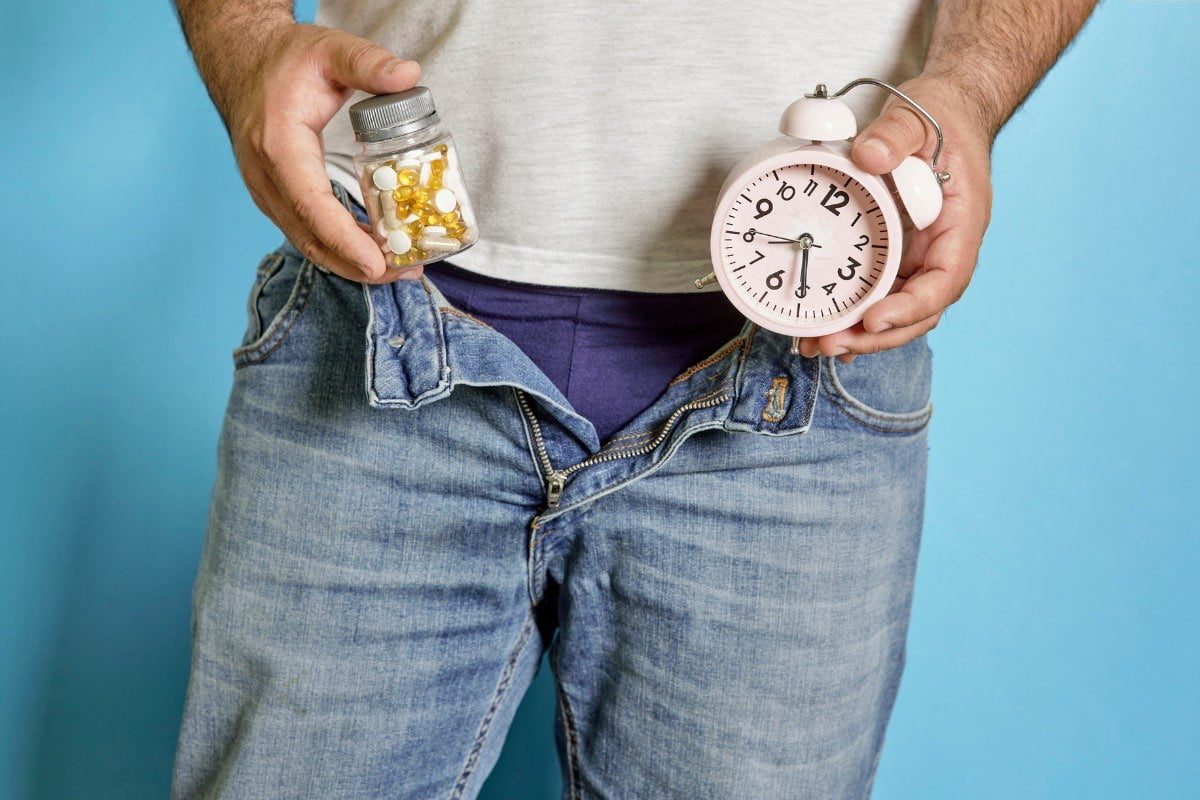
There is something strangely modern about wanting a clear answer to a question that life almost never answers clearly: how long will this last?
Not just in the literal sense, but in the emotional one too. How long will confidence stay with us after we find it? How long does relief feel convincing? How long can a moment hold its shape before doubt starts tapping at the glass?
Products aimed at intensely private concerns tend to collect these questions faster than almost anything else. They enter the conversation carrying a promise of immediacy, and immediacy is persuasive. It sounds tidy. It sounds manageable. It suggests that uncertainty can be trimmed down to a neat window of time.
But the truth people often circle around is less tidy than that. Timing is never only about clocks.
The stopwatch instinct
We live in an age that loves measurable things. Sleep is scored, steps are counted, moods are tracked, and every ordinary fluctuation risks becoming a performance metric. So it makes sense that people approach intimate products with the same instinct. They want the beginning, the peak, the fade, the reliable sequence.
That desire is understandable. Private worries often become less frightening when they can be organized into something structured. A schedule feels calmer than ambiguity. A duration feels more reassuring than an open-ended maybe.
And yet, when the subject is tied to confidence, self-image, anticipation, or vulnerability, the experience rarely behaves like a lab timer. Even when a label, a conversation, or a search result seems to promise a straightforward answer, the human side of the story keeps complicating the frame.
More than minutes
What people are often asking is not only how long something works, but whether they can trust the moment they are stepping into.
That is a different question entirely.
A person might think they are searching for a duration, when what they really want is steadiness. They want to know whether the experience will feel rushed or relaxed, whether uncertainty will hover in the background, whether expectation itself will become part of the event. In that sense, “how long” becomes a shorthand for “how secure will this feel?”
That is why topics like this often travel beyond product pages and into wider conversations about pressure, performance, and the strange burden of modern self-awareness. Intimate life has not escaped the culture of optimization; if anything, it has absorbed it deeply.
The quiet power of expectation
Expectation can be helpful, but it can also turn every sensation into a test.
When someone is waiting for a result, time stretches. A few minutes can feel theatrical. A brief pause can seem meaningful. A small shift may be read as a sign, a reassurance, or a disappointment, depending on the mood of the moment. That doesn’t make the experience unreal. It simply reminds us that perception and timing are always in conversation.
This is one reason the public language around intimate products can feel slightly off. It often tries to sound definitive about situations people experience very personally. The packaging of certainty is sleek. Real life is more textured than that.
A recent discussion around the topic, framed through the language of timing and effectiveness, can be found here. What stands out is not only the interest in the product itself, but the broader fascination with predictability.
Why these questions linger
Questions about duration tend to persist because they sit at the intersection of hope and control. People are rarely just asking for information. They are trying to reduce friction in a part of life that already carries too much self-consciousness.
That is why the conversation matters beyond any single brand, formula, or trend. It reflects a bigger cultural habit: our belief that enough specificity can quiet uncertainty. Sometimes it can. Often it merely changes the vocabulary of the uncertainty.
Instead of asking, “Will this be okay?” people ask, “How long does it last?” The second question sounds more practical, but the first one is still there, waiting underneath.
A softer way to read the topic
Maybe the most interesting thing about subjects like this is how quickly they reveal the limits of tidy answers. Even when people begin with a practical question, they often end up in a more human one.
They begin by measuring time and end up thinking about confidence.
They begin by looking for an effect and end up noticing anticipation.
They begin with the wish for certainty and discover that reassurance is rarely delivered in one clean, universal shape.
That does not make the search pointless. If anything, it makes it more recognizably human. We are always trying to turn uncertainty into something we can hold. Sometimes that something is a routine. Sometimes it is a sentence. Sometimes it is simply the comfort of knowing other people are asking the same quietly loaded questions.
In the end, the fascination with duration may say less about a product than about the era around it. We want things to be dependable, legible, and calm. We want private experiences to feel less mysterious than they do. And when they don’t, we reach for timing as if it might be another word for peace of mind.
Sometimes it is. Sometimes it is only a clock, standing next to a much larger feeling.
https://borderfreehealth.com/how-long-does-eroxon-gel-last-duration-and-effectiveness-explained/