Some routines arrive already decided for us
A small ready-made object can say a lot about trust, routine, and the quiet design of modern care.
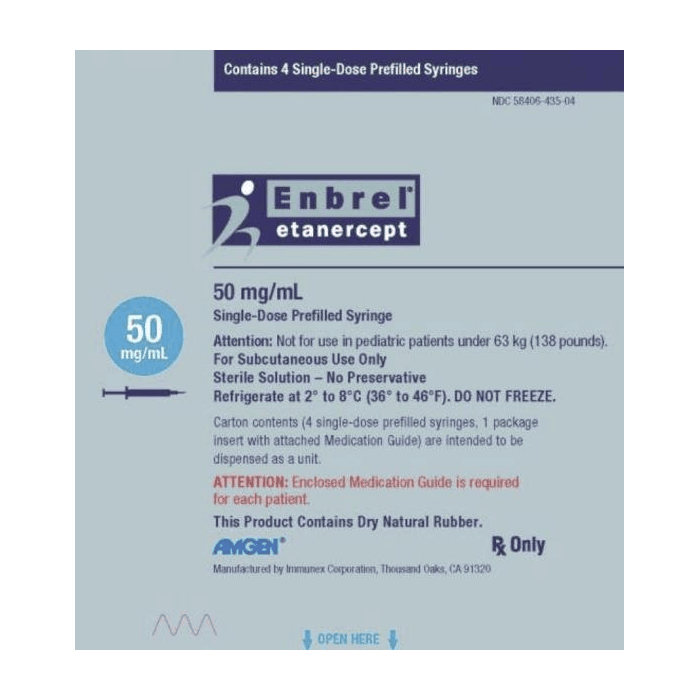
There’s something strangely revealing about an object that arrives with its next step already implied.
A pre-filled syringe is, on the surface, just a highly specific piece of packaging. But it also belongs to a larger story about how modern life keeps trying to reduce hesitation. We live among tools that promise to remove friction: meals that are portioned, playlists that are curated, calendars that autofill, maps that speak before we ask. In that landscape, a ready-to-use medical device feels less like an exception and more like a familiar cultural gesture.
It says: the world knows you are busy, tired, distracted, uncertain. It has tried to make one thing simpler.
That’s partly why products like the one seen here stand out beyond their immediate purpose. Not because they are dramatic, but because they reflect a quiet design philosophy that now shows up everywhere: reduce the number of decisions, and you reduce the emotional weight of the task.
The emotional life of convenience
Convenience is often discussed as if it were shallow, almost indulgent. But in real life, convenience is rarely about laziness. More often, it is about protecting attention.
Anyone who has ever tried to maintain a routine around something important knows that the hardest part is not always the thing itself. Sometimes it is the setup. The remembering. The preparation. The tiny administrative moment before action begins.
That is why ready-made formats can feel bigger than they look. They are not only containers; they are mood-shapers. They shorten the distance between intention and follow-through.
And that distance matters. Not just in healthcare, but in everything. We tend to imagine commitment as heroic and grand, when often it is logistical and quiet. A person doesn’t always drift away from a routine because they stopped caring. Sometimes they just got overwhelmed by one more step.
A design language of reassurance
There is also something symbolic about the phrase “pre-filled.” It suggests anticipation. Preparation. A decision that has, in some sense, been made in advance.
That can be comforting, especially in a world that asks people to compare, research, optimize, and second-guess almost every choice. We are surrounded by interfaces that insist we become miniature experts in everything from mattresses to bank accounts to kitchen knives. The burden of deciding can make even ordinary tasks feel heavier than they should.
So when an object appears to say, quietly, “this part has been arranged,” it can feel like a small reprieve.
Not a miracle. Not a transformation. Just a little less mental clutter.
That subtle difference may explain why people often respond not only to what a product does, but to how it fits into the choreography of a day. Some objects become memorable because they are elegant. Others because they are powerful. And some because they leave fewer loose ends behind them.
The private architecture of routine
There is a tendency to think of medical products as purely functional, stripped of culture, personality, or narrative. But the objects people live with are never just technical. They become part of domestic life. They sit in cabinets, travel in bags, interrupt mornings, accompany evenings, and slowly take on emotional weather.
Over time, even a clinical-looking tool can become woven into the personal architecture of someone’s week. Not glamorous, not exactly beloved, but familiar in the way a lamp switch or house key becomes familiar. The relationship is not sentimental so much as lived-in.
And that may be the most interesting thing about a pre-filled format: it occupies a borderland between precision and habit. It belongs to systems, instructions, and manufacturing, yet it also enters intimate spaces where life is messy, human, and rarely neat.
That tension feels very contemporary. We keep building highly refined tools for lives that remain gloriously unrefined.
When objects carry more than function
The smallest products often carry the biggest invisible meanings. A notebook can represent ambition. A reusable bottle can signal identity. A certain pair of shoes can become a version of optimism.
In a similar way, a ready-prepared medical item can come to symbolize steadiness, preparedness, or simply the hope that one task in life might ask for less negotiation than the others.
That doesn’t make it poetic in an obvious sense. But it does make it human.
We notice these things not because we are obsessed with devices, but because objects shape behavior more than we like to admit. They create momentum. They reduce dread. They make some actions feel possible on ordinary days, not just ideal ones.
And ordinary days, after all, are where most of life happens.
Maybe that is why such formats seem to attract attention that goes beyond technical interest. They offer a glimpse of a broader desire: not for perfection, but for manageable rituals. For tools that meet people where they are. For systems that understand that consistency is often built not on willpower alone, but on design.
In that sense, the appeal is not only about a syringe. It is about the modern search for fewer barriers between intention and action, and the quiet relief of finding a routine that feels a little more ready when you are not.
https://canadianinsulin.com/product/enbrel-pre-filled-syringe/