Some routines arrive looking more modern than they feel
A quiet look at how sleek health tools become part of ordinary life, carrying both reassurance and the strange weight of daily attention.
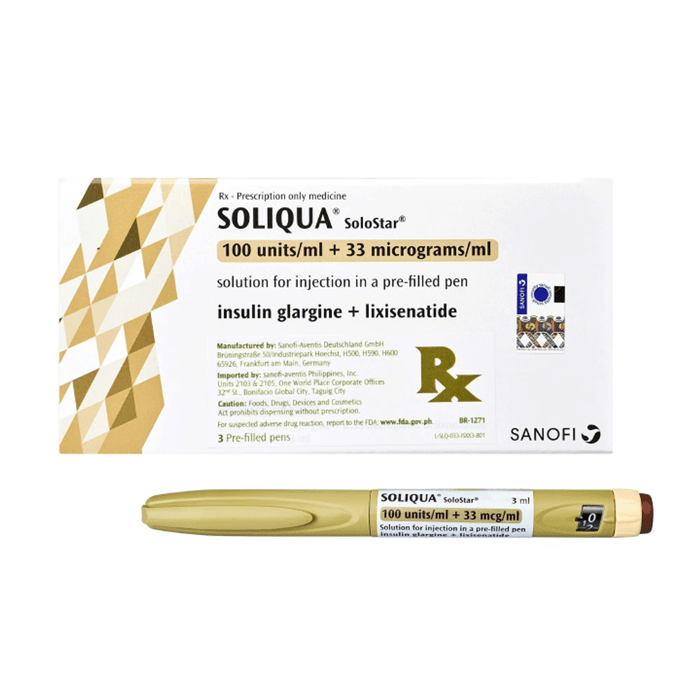
There is something oddly revealing about the objects people keep near them every day. Not the dramatic things, not the sentimental keepsakes, but the practical tools that settle into a routine so completely they almost disappear. A pen-shaped device is one of those objects. It looks simple, even elegant, yet it carries a much bigger story about attention, trust, and the way modern life likes to package complexity into something that fits in one hand.
When a product name like Soliqua SoloStar shows up, it can sound futuristic, polished, almost effortless. The language belongs to a world that promises smooth edges and easy handling. But the human experience around such things is rarely that sleek. Daily routines are made of small negotiations: remembering, pausing, adjusting, carrying on. A device may be neatly designed, but the life around it is still messy, busy, distracted, hopeful.
The design of reassurance
Many contemporary health products seem to borrow their visual logic from consumer electronics. Clean lines, measured branding, a sense of controlled precision. It is not hard to see why. People often respond to calm design because it creates the impression that something complicated has been made manageable.
That does not mean the object becomes emotionally neutral. If anything, the opposite can happen. The more streamlined a tool appears, the more it can quietly symbolize discipline, consistency, and the wish to keep uncertainty contained. Design is never just design when it enters a daily ritual. It becomes atmosphere.
A page such as the one featuring Soliqua SoloStar pens gives a glimpse of that modern language: specific, tidy, product-centered. Yet behind any listing is a much less tidy reality, where people build habits around objects and those objects begin to shape the rhythm of a day.
The hidden drama of ordinary tools
We tend to think drama belongs to big events, life-changing news, visible turning points. But there is another kind of drama that lives in repetition. It appears in the items arranged on a bathroom shelf, tucked into a bag, or checked for before leaving home. These things rarely ask for ceremony. They ask for presence.
That is part of what makes them culturally interesting. A routine tool can become both background and anchor. It may not inspire conversation at dinner, yet it can influence mood, timing, travel, spontaneity, even the way someone thinks about tomorrow morning.
There is also a private theater to these objects. Publicly, they may appear clinical or ordinary. Privately, they can represent effort, responsibility, self-awareness, or fatigue. One person sees a product. Another sees the shape of a commitment.
Why sleekness never tells the whole story
Modern branding often suggests that efficiency is the same as ease. But people know better, even if they do not always say it out loud. Convenience can reduce friction without removing meaning. A compact device may fit more smoothly into life, yet it can still carry emotional weight.
That tension feels familiar far beyond health-related products. We live in an era that likes hidden complexity. Phones collapse maps, letters, calendars, cameras, and memories into one screen. Kitchen machines promise fewer steps. Cars park themselves. Everywhere, technology tries to make effort less visible.
And yet invisibility is not the same as simplicity. Sometimes the smoother a tool becomes, the more we forget that it exists in relationship with a person’s patience, memory, and inner weather. The object is refined; the routine remains human.
The quiet politics of portability
There is another subtle story here too: mobility. Anything designed to travel well is also designed for the reality that people do not live in controlled spaces. They commute, visit family, sit in waiting rooms, rush through airports, stay out later than planned, wake up somewhere unfamiliar. Portability is not just a feature. It is an acknowledgment that real life keeps moving.
That matters because routine often gets described as rigid, when in practice it is more like choreography. It bends around work hours, holidays, interruptions, moods, and weather. The tools people rely on have to negotiate that same world. Their size, shape, and feel all become part of a larger conversation about how individuals maintain continuity in lives that are rarely calm from start to finish.
More than an object, less than a symbol
It would be easy to over-romanticize all this and turn a practical item into poetry. But perhaps the truth sits somewhere in between. These objects are not magical, and they are not trivial either. They belong to that middle category of things that become meaningful precisely because they are used, repeated, and folded into ordinary time.
Maybe that is why product pages can feel strangely incomplete even when they contain all the expected details. They show the object clearly, but not the pause before it is reached for, the relief of familiarity, or the quiet annoyance of being reminded that bodies ask to be noticed. The listing captures the item. Daily life supplies the rest.
And perhaps that is the real fascination: not the pen itself, but the way a carefully designed tool enters the untidy fabric of a person’s routine and becomes, over time, both almost invisible and impossible to ignore.
https://canadianinsulin.com/product/soliqua-solostar-pens-100u-33mcg-ml-5x3ml/