Some routines arrive quietly and change the room
A small object can carry a surprising amount of meaning, especially when routine, design, and attention begin to overlap.
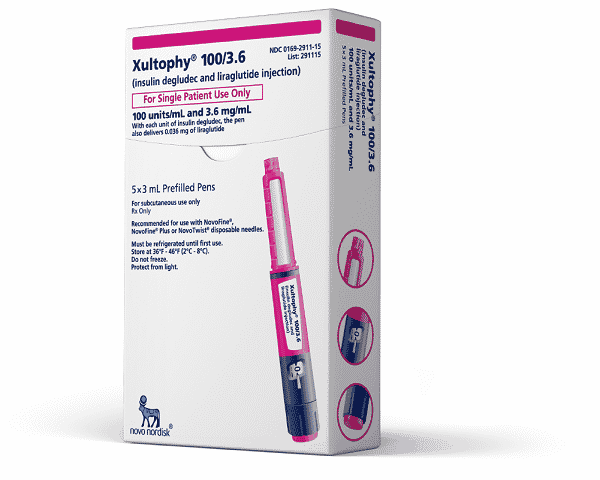
There are objects that announce themselves, and then there are objects that slip into daily life almost without sound.
A prefilled pen belongs to the second category. It does not carry the drama of a new device launch or the romance of something beautifully unnecessary. It is, at first glance, practical. Contained. Decided. Yet that very neatness is what makes it interesting. The idea of something already prepared, already portioned into a form meant to be picked up and used, says a lot about the world we live in and the kinds of routines we build to get through it.
When people talk about modern tools, the conversation often drifts toward speed. Faster apps, faster checkout, faster delivery, faster answers. But some objects are less about speed than about reducing friction. They are not glamorous in the usual sense. Their appeal lives in the quiet elimination of extra steps, the small mercy of not having to assemble a process from scratch each time.
That is part of why a product like the Xultophy prefilled pen catches attention beyond its label. Not because it asks to be admired, but because it represents a familiar shift in contemporary life: we increasingly value tools that make difficult routines feel more navigable.
The design of reassurance
There is something culturally revealing about the phrase “prefilled.” It suggests preparation done in advance, uncertainty narrowed down, a task made less cumbersome before the user even arrives. In another era, convenience mostly belonged to the kitchen, the car, the office. Now it lives everywhere, including in objects tied to much more personal terrain.
That matters because routine can be emotionally loud even when it looks ordinary from the outside. A well-designed object does not erase that weight, but it can change the texture of it. It can make an interaction feel less improvised. Less precarious. More like part of a rhythm than an interruption to one.
And rhythm is underrated. We tend to celebrate dramatic transformation, but most people live by repetition. Morning lights. Keys on the counter. The same mug. The same route. The same gestures repeated until they become almost architectural. A tool that fits into that architecture without demanding a whole renovation often becomes meaningful in ways that are hard to describe.
The private side of convenience
There is also a deeply personal dimension to objects designed for regular use. They live close to the body and close to thought. They are handled in quiet rooms, in transitional moments, in the tiny spaces between one obligation and the next. That kind of object becomes less like equipment and more like part of someone’s private grammar.
Maybe that is why these products rarely inspire the kind of conversation they deserve. People notice them functionally, but not symbolically. Yet symbols are all over them. Preparedness. Discretion. Routine. Self-management. Trust in systems. Trust in design. Even the pen shape itself says something interesting. Pens usually belong to writing, signing, marking a page, leaving a trace. Recast in another context, the form still carries that aura of precision and intention.
There is a subtle dignity in that. Not because the object is trying to be poetic, but because human beings tend to find meaning in whatever accompanies them often enough.
Small objects, large expectations
We ask a lot from compact things. We want them to work reliably. We want them to be easy to understand. We want them to feel manageable in the hand and, somehow, manageable in the mind. That is an enormous cultural expectation placed on design: make the complicated feel livable.
Sometimes that expectation reveals a broader truth about the age we are in. We do not just want products. We want steadiness. We want fewer barriers between intention and action. We want less clutter around the tasks that already carry enough gravity on their own.
A prefilled format speaks directly to that desire. It reflects a larger movement toward streamlining not for style, but for emotional economy. Less deciphering. Less setup. Less room for a routine to become a negotiation every single time.
When practicality becomes intimate
The most affecting objects are often not the ones people post about or display on shelves. They are the ones that become invisible through repetition. Their success lies partly in disappearing into the day.
That disappearance is not trivial. It can be a form of grace.
To encounter a product like this is to be reminded that practicality is never just practicality. The things we use repeatedly shape our mood, our sense of control, even our relationship to time. They can turn a moment into a hurdle, or make it feel more absorbable. They can heighten awareness, or soften the edges of it.
So much of life is determined by what becomes routine. Not only what we do, but how the tools around us frame the doing. Some routines arrive with noise and fanfare. Others arrive quietly, settle in, and alter the atmosphere by degrees.
Those are often the changes that last longest in memory: not the spectacular ones, but the ones that make life feel a little more possible in the shape it already has.
https://canadianinsulin.com/product/product-xultophy-prefilled-pen/