Some routines arrive quietly and change the whole room
A small object can become a symbol of steadiness, ritual, and the private art of carrying on.
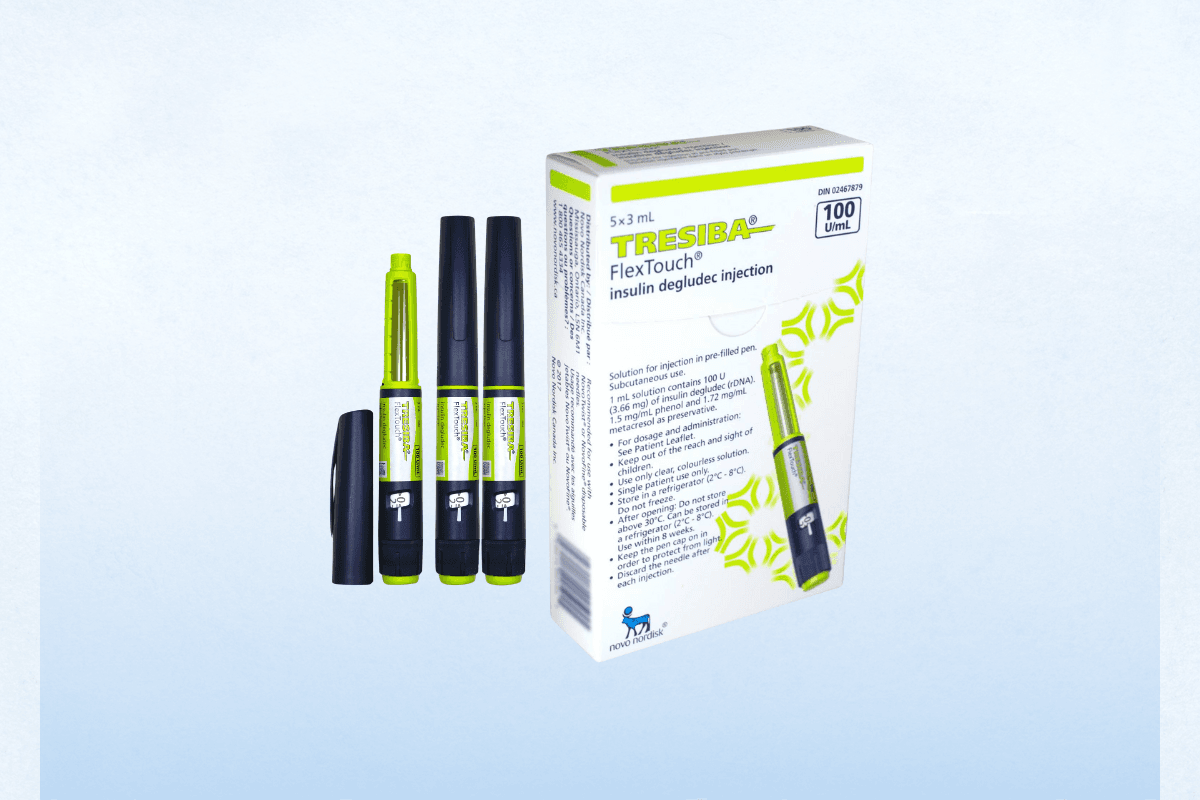
There is something quietly modern about the tools people keep close without ever making them part of the conversation. Not glamorous tools, not status objects, not things displayed on shelves or praised in casual small talk. More often, they live in bags, drawers, coat pockets, beside a glass of water, near the familiar geography of a kitchen counter. They are there to support a rhythm, and because they are so tied to routine, they almost disappear into it.
That is part of what makes devices connected to daily health feel culturally interesting. They sit at the intersection of design, habit, privacy, and reassurance. A pen-shaped device, in particular, carries a strange dual identity. It looks ordinary enough to belong among the scattered artifacts of everyday life, yet it can hold far more meaning than its shape suggests. It becomes less about the object itself and more about the kind of day someone is trying to build around it.
We tend to talk about wellness in grand language: transformation, optimization, breakthroughs, fresh starts. Real life, though, often moves by quieter verbs. Keeping up. Adjusting. Remembering. Pausing. Beginning again tomorrow. A routine built around steadiness is rarely dramatic from the outside, but from within, it can feel like architecture. The smallest repeated act can become a beam holding up the day.
The poetry of practical design
There is a reason certain objects become trusted quickly. They ask very little in return. They fit the hand. They make a private process feel less chaotic. They reduce the number of decisions standing between intention and action. Good design, in that sense, is not loud. It doesn’t try to impress. It simply lowers the emotional volume of a task that may already carry enough weight.
This is why conversations around everyday health tools often reveal something bigger than product preference. People are rarely only discussing an item. They are describing their relationship to predictability. They are speaking, sometimes indirectly, about how much energy it takes to maintain stability in a world that celebrates spontaneity. There is a subtle dignity in systems that help life feel livable rather than heroic.
And perhaps that is the overlooked story here: not miracle, not drama, but companionship. The best routines often feel like silent agreements. An object is placed where it needs to be. A sequence becomes familiar. One less uncertainty knocks at the door.
What routine looks like from the inside
From the outside, routine can seem boring, even restrictive. But for the person living inside it, routine can feel expansive. It creates margin. It softens the background noise. It allows attention to drift toward work, family, errands, jokes, weather, music, the ordinary mess of being alive. In that sense, structure does not shrink life; it makes more of life possible.
There is also an emotional texture to these habits that outsiders don’t always see. Repetition is not simply repetition. Some days it feels grounding. Some days it feels tedious. Some days it is so automatic it barely registers. Yet that very ordinariness may be the point. When something once intimidating becomes folded into the day as naturally as making coffee or checking the time, it marks a quiet shift in identity. Not surrender. Familiarity.
The language around health often pushes people toward extremes: in control or out of control, disciplined or neglectful, successful or struggling. Most real experiences do not fit those binaries. They live in the middle, where people improvise, learn their own tempo, and develop rituals that are neither perfect nor performative. A small device can become part of that middle ground, not as a headline, but as a stabilizing presence.
Objects that carry more than function
It is easy to underestimate the emotional life of practical things. A house key means access. A notebook can mean possibility. A worn-out mug can mean comfort before the coffee is even poured. In the same way, certain health-related objects carry more than function. They can represent preparedness, continuity, relief, discipline, resistance, or simply the determination to keep participating in daily life without turning every moment into a negotiation.
That is why editorial conversations around these topics are more compelling when they move beyond technical language. The human story is rarely just about what a tool does. It is about what it allows someone to stop worrying about for a while. It is about the space it opens. It is about the subtle confidence that can come from a routine no longer feeling foreign.
A brief mention of the subject appears in this source, but the larger idea feels wider than any single product page or explanation. It reaches into the ways modern life asks people to create order from repetition, and meaning from tasks no one applauds.
Maybe that is why these objects linger in the mind. They remind us that much of adulthood is not built from grand gestures. It is built from maintained patterns, from ordinary diligence, from the private intelligence of arranging life so that tomorrow is a little easier to enter. Some routines arrive quietly. Then, before anyone thinks to name the change, they have already altered the atmosphere of the room.
https://canadianinsulin.com/articles/how-tresiba-flextouch-pens-help-control-blood-sugar-levels/