Some routines arrive wrapped in a click
A small reflection on the quiet design of modern routines, and how certain objects make private moments feel strangely engineered.
There is something oddly memorable about an object that announces itself with a sound.
Not a dramatic sound, not the kind that belongs to alarms or applause. Just a click — precise, contained, almost reassuring in its certainty. In a world full of glowing screens and soft-touch interfaces, the click still carries old authority. It suggests that something has engaged, that a choice has become real, that a moment has moved from hesitation into action.
That may be why products built around convenience and control often feel larger than their size. A pre-filled auto injector, for instance, is not just an object in a box. It is also a little piece of modern design language: portable, sealed, efficient, intended to reduce friction. Even before anyone thinks about what it is for, the form itself tells a story about the age we live in. We want certainty packaged neatly. We want complicated things translated into gestures we can repeat.
The language around these tools is revealing. “Pre-filled” speaks to a culture that prefers preparation done in advance, somewhere else, by unseen hands. “Auto” hints at trust in systems that take over the fiddly parts. Even the names of devices often sound less like household objects and more like promises that routine can be made smoother, cleaner, less emotionally loud.
And yet routine is never only practical.
A device can be designed to simplify a moment, but the moment still belongs to a person. It enters kitchens, bathrooms, bedside drawers, travel bags, the private architecture of ordinary life. It becomes one of those things people do not necessarily talk about at dinner, even though it quietly shapes the rhythm of a week. That contrast is striking: sleek industrial design meeting the deeply human world of habit, anticipation, avoidance, discipline, and relief.
The aesthetics of reassurance
We often underestimate how much design tries to calm us.
Rounded edges, clear caps, one-step mechanisms, the quiet confidence of a product that seems to know exactly what it is doing — these are not accidental details. They belong to a broader aesthetic of reassurance. Modern life is filled with objects that attempt to reduce uncertainty not by explaining everything, but by making interaction feel simple.
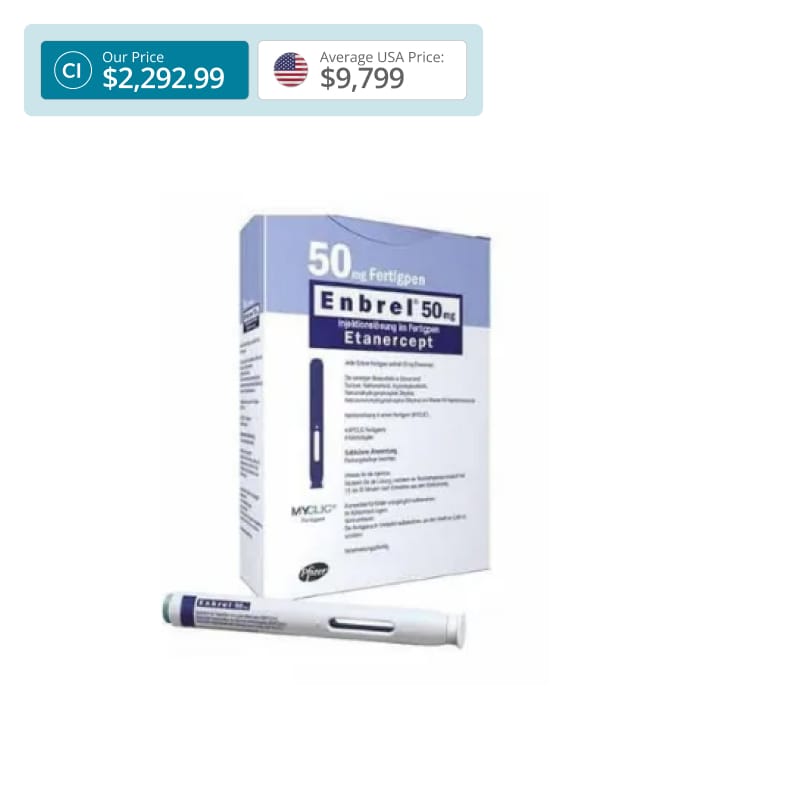
That is part of what makes something like the Enbrel Pre-Filled Sureclick Auto Injector interesting as a cultural object, even beyond its specific purpose. The name itself sounds engineered for confidence: “sure,” “click,” “auto.” It reads almost like a miniature philosophy of convenience. No wandering, no guesswork, no theatrical flourish. Just a sequence of cues meant to say: this can fit into life.
There is a broader story there about how people relate to tools. We do not only want function. We also want a feeling. We want objects to lower the temperature of a difficult moment. We want them to be legible. We want the experience to feel less like confrontation and more like routine.
When language borrows from machines
It is hard not to notice how often human experience gets translated into mechanical terms. People speak of being “on track,” “running low,” “stuck,” or “reset.” Devices fit easily into that vocabulary because they seem to offer a clean choreography. Press here. Hear this. Continue.
But real life is rarely so linear. People bring mood, memory, and context to every repeated act. A streamlined object may reduce complexity on the surface, yet it also becomes part of a relationship with time. Some days routine feels empowering; on others it feels like one more thing to remember, accommodate, or mentally step around. The same object can symbolize order in one moment and interruption in another.
That is why these products often sit at an interesting intersection of intimacy and engineering. They are built with the logic of systems, but they live in the messiness of personal life. A click can be efficient, but it can also become ceremonial. Repetition gives objects weight. They gather associations. They stop being merely purchased things and start becoming markers in someone’s week, their suitcase, their nightstand, their sense of what counts as manageable.
A small portrait of the present
Maybe that is what stands out most about contemporary health-related design: it reflects our era’s deep preference for reducing visible friction while preserving private dignity. We want life to keep moving. We want routines to fold inward, to take up as little social space as possible. We admire anything that feels self-contained.
There is something poignant in that. Efficiency is often presented as freedom, and sometimes it probably does feel that way. But efficiency also reveals what we have come to expect from ourselves: composure, portability, continuity. The ideal object today is not just useful. It is discreet. It asks for little room. It promises that life can remain outwardly ordinary.
Perhaps that is why a simple click can feel unexpectedly symbolic. It is the sound of modern confidence, yes, but also the sound of adaptation — of finding ways to make the necessary feel livable, the technical feel familiar, and the private feel a little less chaotic.
Some routines do not announce themselves with grand meaning. They arrive quietly, wrapped in packaging, translated into design, condensed into a motion of the hand. And somehow, in that small choreography, an entire philosophy of contemporary life is hiding in plain sight.
https://canadianinsulin.com/product/enbrel-pre-filled-sureclick-auto-injector/