Some routines ask to be noticed
A quiet look at the objects and habits that turn private health routines into part of everyday life.
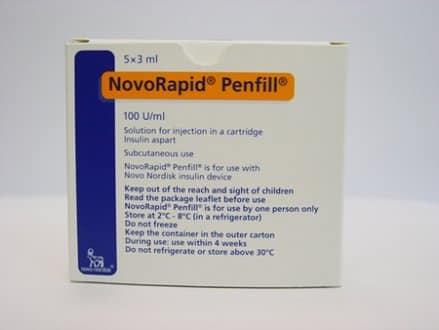
Some health routines live in the background until a small object brings them into focus.
A pen on a kitchen counter can look ordinary to everyone except the person who knows exactly why it matters. It sits there among keys, receipts, chargers, and half-finished lists, yet it belongs to a completely different category of attention. Not dramatic, not decorative, not even especially expressive. Just specific. Quietly specific.
That is part of what makes products like insulin pens so interesting in the first place. They are practical tools, yes, but they also carry a whole world of timing, awareness, memory, and self-negotiation. The language around them often becomes technical almost immediately, as if the only useful way to discuss them is through instructions, labels, or cautions. But the human experience around them is rarely that tidy.
There is something revealing about the way modern life asks people to carry highly personal routines through public spaces. A commute, a lunch break, a delayed train, a dinner that starts later than expected: ordinary disruptions can turn into moments of calculation. Not necessarily panic, not necessarily inconvenience, but attention. The kind of attention that many people never have to name because their bodies keep time without asking them to participate so consciously.
The design of reassurance
Objects made for repeated use often end up shaping mood as much as function. A familiar pen format, a cap that closes with confidence, a shape that fits into a bag without ceremony—these details can matter beyond utility. They create a feeling of predictability in a life that may not always feel predictable.
That predictability is easy to underestimate from the outside. We tend to imagine healthcare only in appointments, big decisions, and moments of urgency. Yet much of it lives elsewhere: in the pause before leaving the house, in checking that something is packed, in noticing whether a routine still feels smooth or slightly off. Even the smallest change in that rhythm can become a story a person tells themselves all day.
When people search for information about specific options, it is often framed in the plainest possible terms: what it is, how it is used, what to expect. Beneath that practical wording, though, there is usually a more human question hiding in plain sight: will this fit into the life I already have to live?
More than instructions
There is a reason product names sometimes become shorthand for a larger daily relationship with care. They stop being just labels and start becoming markers of familiarity. Not unlike a favorite mug or a pair of glasses, except with much higher emotional stakes. Routine makes them feel ordinary; dependence makes them feel anything but ordinary.
That tension is fascinating. The goal of many health tools is to disappear into life as seamlessly as possible, yet they can never become completely invisible. They ask to be remembered. They ask to be stored, carried, noticed, and accounted for. In a culture obsessed with convenience, that kind of ongoing mindfulness can feel oddly countercultural.
It also complicates the way people talk about control. From a distance, routine can look like certainty. Up close, it often looks more like adaptation. Plans shift. Energy changes. Meals drift. Days unfold with their own stubborn personality. A tool designed for consistency still has to meet a life that refuses to stay perfectly still.
That may be why people often seek not just data, but tone. They want information, of course, but they also want a sense of what living alongside a particular routine feels like. They want language that acknowledges the texture of daily life rather than pretending every choice happens in a vacuum. In that sense, even a highly specific product page points toward a broader social truth: health is never managed in theory. It is managed in the middle of everything else.
The quiet visibility of care
One of the most striking things about everyday medical tools is how they blur privacy and visibility. Some people keep them tucked away. Others place them within reach, integrated into the architecture of the day. Neither approach is merely practical; each reflects a relationship to disclosure, comfort, and self-perception.
There is no single emotional tone here. For some, familiarity may bring calm. For others, repetition may sharpen awareness. Sometimes the same routine can feel reassuring on Monday and burdensome on Thursday. That fluctuation is deeply human, even if product language rarely leaves room for it.
Reading about a named option can therefore become an act of recognition as much as research. It can signal a desire to make the abstract more tangible, to convert vague concern into something handleable. A person may begin with a search about a pen or cartridge and end up reflecting, however briefly, on time, habit, and the strange intimacy of managing a body in real life.
A source like this overview hints at that practical doorway, but what stays with me is the larger picture: how much of care is built from repeated, almost unremarkable acts that deserve more cultural attention than they get.
Maybe that is the hidden story inside so many seemingly straightforward health topics. Not just what a product is called, or how it is packaged, but how an object enters a day and changes the emotional weather around it. Some routines do not ask to be celebrated. They simply ask to be noticed. And sometimes that is the more honest form of respect.
https://canadianinsulin.com/articles/novorapid-insulin-aspart-penfill-flexpen-side-effects-dose/