Some routines ask us to trust small rituals
A quiet look at the objects and habits that turn care into choreography, and why familiar tools can carry more meaning than they first reveal.
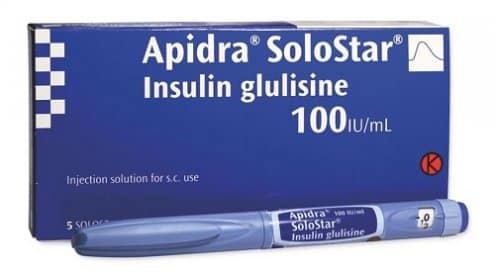
There is something striking about the way modern life hides its most important rituals in plain sight. A wallet, a phone charger, a travel mug, a keyring. Each one looks ordinary until you notice how much feeling has gathered around it. Some objects are less about design than about timing, attention, and the kind of trust that builds through repetition.
That is partly why a topic like Apidra SoloSTAR Pen Uses can feel larger than its wording. On the surface, it sounds technical, almost procedural, as if the whole story could be contained in terms and steps. But tools connected to daily care rarely stay inside the borders of instruction. They enter kitchens, work bags, bedside drawers, airport security lines, hurried mornings, and the quiet little negotiations people have with time.
The hidden drama of a routine
We often talk about health-related routines as though they are purely practical. That misses the emotional architecture underneath them. A repeated action can be calming one day and exhausting the next. A familiar object can feel reassuring in one setting and conspicuous in another. The same routine that creates stability can also remind someone how much of life depends on remembering, preparing, and adjusting.
That tension is deeply human. We admire systems when they run smoothly, but we rarely acknowledge the mental weather around them. There is anticipation in a routine. There is also interpretation. People are not just following a sequence; they are reading their day, their surroundings, and their own capacity. Even a straightforward tool can become part companion, part checklist, part symbol of responsibility.
Why certain devices become more than devices
Not every object gathers meaning. Some remain stubbornly neutral. Others become woven into identity because they sit so close to the body and to the clock. They ask to be noticed at specific moments. They shape movement. They influence what someone carries and what someone double-checks before leaving home.
That changes how people relate to them. A device is no longer simply a device when it starts participating in ordinary decision-making. It becomes part of the landscape of the day. You can almost hear it in the language people use around routines like these: readiness, familiarity, confidence, caution. Those words are not really about plastic or packaging. They are about the desire to feel steady inside a life that is rarely steady for long.
There is also something culturally interesting here. We live in an age that prizes frictionless systems, yet many forms of personal care resist becoming fully invisible. They remain tactile. They require presence. They ask for a pause. In a culture obsessed with speed, that pause can feel inconvenient, grounding, or both.
The myth of effortless management
From the outside, routines can look seamless. That is often because people get very good at making complexity look simple. They perform competence in public and reserve uncertainty for private moments. A process that appears clean and efficient may still involve planning, memory, backup plans, and a low hum of vigilance.
This is where the language around “safe technique” becomes quietly revealing. Beyond any literal meaning, it points to a broader wish: to move through repetitive tasks with confidence rather than guesswork. Not perfection, just steadiness. Not spectacle, just the relief of feeling oriented.
That wish is familiar far beyond any one topic. We all want our necessary routines to become less noisy in the mind. We want the things we must remember to feel integrated rather than disruptive. We want care to fit into life without making life feel smaller.
Everyday choreography
Maybe that is the most compelling part of subjects like this: they reveal how much daily life is choreography. Small actions line up with meals, commutes, meetings, interruptions, travel, fatigue, and changing plans. There is no grand cinematic score behind any of it, just ordinary adaptation.
And yet ordinary adaptation deserves more respect than it gets. It is one of the least glamorous forms of resilience. It looks like setting things in the same place each evening. It looks like noticing what helps a day feel smoother. It looks like building habits that can survive distraction.
The public language of care often leans clinical, but lived experience is usually more textured than that. It includes mood, convenience, embarrassment, relief, habit, and the strange intimacy of relying on an object most people would never think twice about.
A quieter way of seeing it
Perhaps the most useful shift is not to treat such tools as cold instruments, but as part of the private infrastructure of a life. Infrastructure is not glamorous either, but everything depends on it. Roads, outlets, bridges, passwords, calendars, routines. They matter most when they work, and when they work, they often disappear into the background.
Still, they leave a trace. They shape how a person moves through the world. They influence what preparedness feels like. They turn care into something less abstract and more embodied: a set of gestures, checks, pauses, and familiar motions that hold a day together.
That is why seemingly narrow topics can open into wider reflection. They remind us that routine is never just routine. Beneath every repeated act is a negotiation between control and uncertainty, between planning and interruption, between the wish to feel normal and the reality that normal is often built, quietly, one small ritual at a time.
https://canadianinsulin.com/articles/apidra-solostar-pen-uses/