The Beauty of Wanting Less to Look Like More
A reflective look at why modern beauty conversations keep drifting toward subtlety, maintenance, and the quiet promise of looking unchanged.
There is a particular kind of beauty conversation that happens almost in whispers now. It is not the dramatic before-and-after language that once dominated magazine pages and dressing-room talk. It is softer than that. More coded. Someone says they look “rested.” Someone else says their skin has been “behaving.” A friend returns from a long weekend appearing somehow brighter, but not different enough for anyone to name the change.
This is where contemporary aesthetics has become culturally interesting: not in the pursuit of transformation, but in the careful choreography of almost no transformation at all.
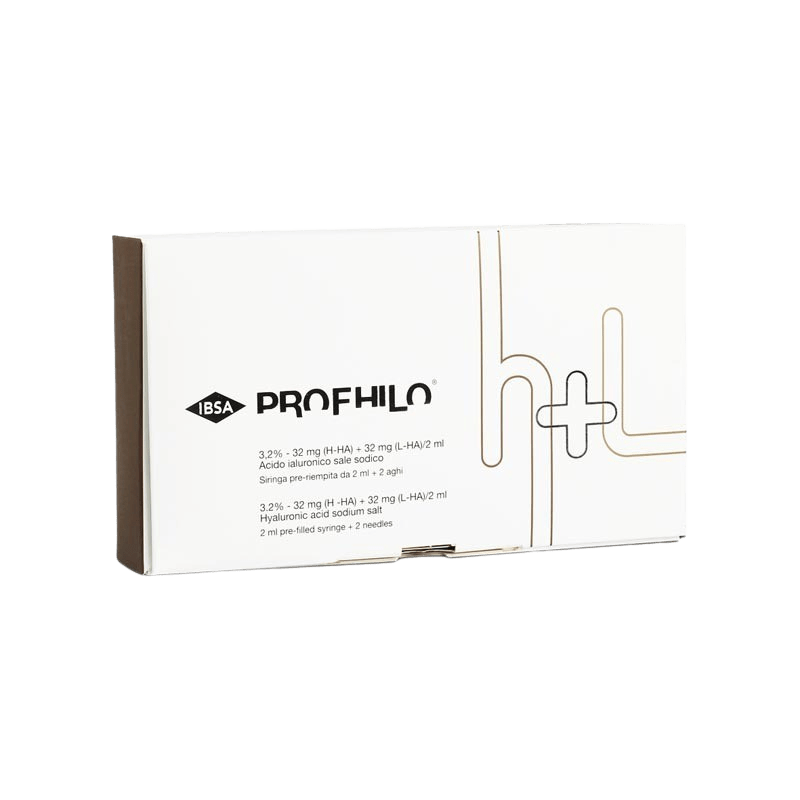
Products and treatments with sleek names, including those found in professional beauty supply spaces such as Med Wholesale Supplies, sit inside a much larger shift. The conversation around appearance is less about becoming someone else and more about maintaining a familiar self under increasingly bright light. Cameras, video calls, social feeds, high-resolution mirrors in hotel bathrooms — the modern face is observed more often than it is simply lived in.
The rise of the almost invisible choice
For a long time, beauty culture rewarded evidence. A new haircut was meant to be noticed. Makeup announced itself through color, shimmer, and shape. Even skincare had a ritualistic visibility: jars lined on shelves, serums catching light, masks worn like little ceremonies of self-improvement.
Now, a different aspiration has entered the room. The ideal is not always to be asked, “What did you do?” Sometimes it is to avoid the question entirely.
That creates a curious tension. People may invest time, attention, and money into appearance while hoping the result reads as effortless. The labor is real, but the desired effect is casual. It is the aesthetic equivalent of a perfectly messy linen shirt: considered, but pretending not to be.
This does not mean vanity has disappeared. It has simply changed costume. Instead of theatrical glamour, there is polish. Instead of reinvention, there is continuity. The language has moved from correction to care, from flaw-fixing to “freshness,” from obvious alteration to something more atmospheric.
Maintenance as a modern mood
There is also something very contemporary about the idea of maintenance. We maintain inboxes, bodies, homes, moods, calendars, friendships, and online profiles. The self has become a project that is never quite finished, but also never meant to look under construction.
Beauty fits neatly into that rhythm. The appeal of subtle aesthetic routines may not be only about appearance. It may also be about reassurance: the feeling of keeping pace with oneself, of not waking up one day and feeling surprised by the mirror.
Of course, the mirror is never neutral. It carries lighting, mood, memory, comparison, and the entire archive of how we think we used to look. Some mornings it is generous. Other mornings it behaves like a critic with excellent eyesight.
Against that backdrop, the desire for small, quiet interventions begins to make emotional sense. Not as a promise of perfection, and not as a universal need, but as part of a broader cultural wish to soften the gap between how we feel inside and what our reflection seems to report back.
The new language of subtlety
What stands out in today’s beauty landscape is how often the most valued changes are described indirectly. People do not always say they want to look younger. They say they want to look like themselves. They do not always ask for drama. They ask for balance, glow, ease, calm, or a version of the face that suggests a good night’s sleep even when life has offered no such thing.
These words matter because they reveal a cultural discomfort with obvious effort. We admire discipline, but we also admire the illusion that nothing required discipline at all. The polished person is expected to appear natural, spontaneous, and unbothered — even if the making of that appearance involves planning.
There is a quiet comedy in this. We live in an age obsessed with authenticity, yet authenticity itself has acquired an aesthetic. Bare skin is styled. Natural hair is curated. “No makeup” has become a look. Even restfulness can seem like something one is supposed to achieve.
And yet, it would be too easy to dismiss all of this as superficial. Beauty routines often hold private meanings. They can be about control during chaotic periods, tenderness toward a changing body, curiosity, play, identity, or simply the pleasure of paying attention. A small choice made in front of a mirror can carry more emotional texture than outsiders might assume.
Looking unchanged is still a kind of change
Perhaps the most interesting part of the subtle beauty movement is its paradox. The goal is often to look unchanged, but choosing that goal still reflects change — in taste, in technology, in social expectations, and in the way people narrate aging.
Aging itself has become a conversation full of contradictions. We are encouraged to embrace it, resist it, celebrate it, soften it, document it, and somehow not care too much about it while also caring responsibly. No wonder the modern beauty consumer often prefers nuance over declarations.
The quietest aesthetic choices can reveal the loudest cultural anxieties. They ask what it means to remain recognizable to oneself. They ask how much effort can be hidden before effort becomes the point. They ask whether beauty is becoming less about spectacle and more about continuity.
Maybe that is why subtlety has such a strong hold right now. It offers a compromise between acceptance and intervention, between change and sameness, between wanting to be seen and wanting the work to remain invisible.
In that space, beauty becomes less like a makeover and more like a pause. A moment of negotiation with time, perception, and the strange intimacy of one’s own reflection.
https://medwholesalesupplies.com/product/profhilo-hl-32mg-1-2ml-prefilled-syringe/