The Faces We Keep, and the Ones Time Rearranges
A quiet look at why conversations around facial fullness say as much about modern expectations as they do about appearance.
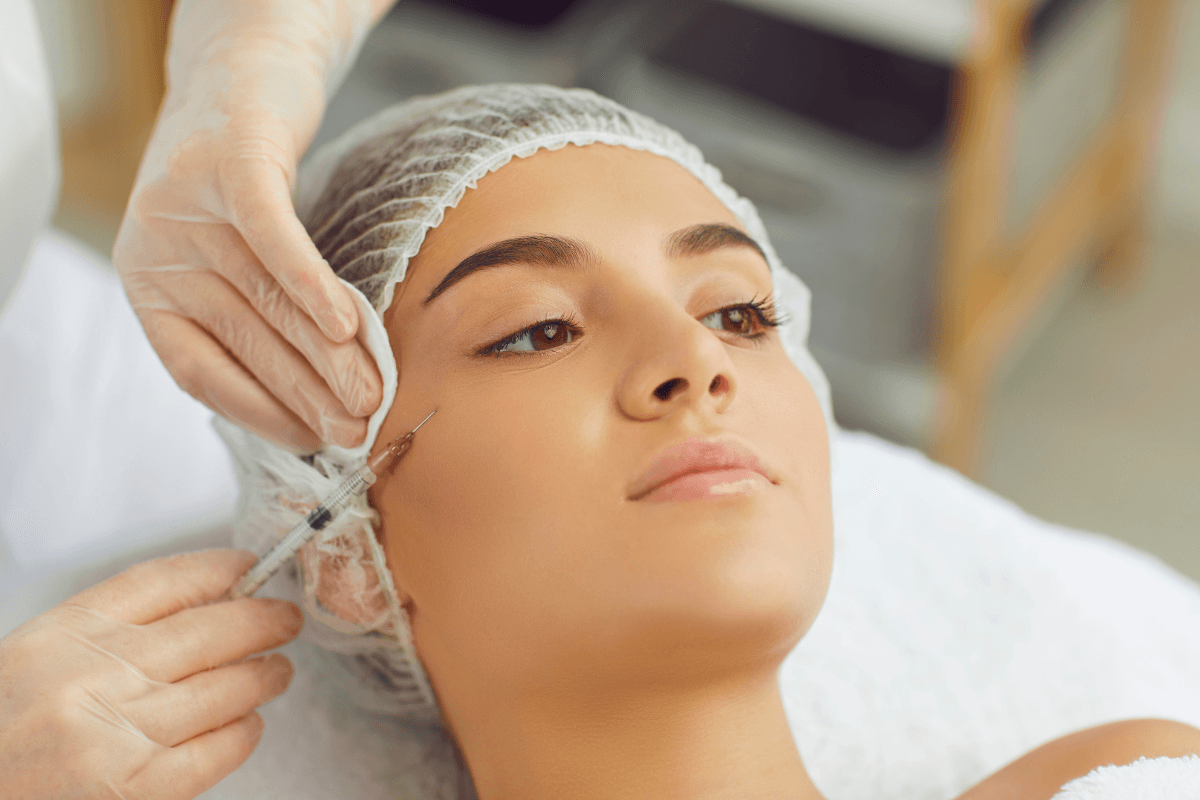
Some ideas arrive wearing clinical language, then quietly reveal themselves to be about something far more human. Facial volume restoration is one of those ideas. At first glance, it sounds technical, almost architectural, as if the face were a structure to be measured and adjusted with neat precision. But the longer you sit with the phrase, the more it opens into a conversation about memory, expression, self-recognition, and the strange modern wish to look rested in a world that rarely lets people rest.
For clinic teams, this kind of language probably appears in practical settings every day. Yet outside the treatment room, it has become part of a much bigger cultural mood. People speak less dramatically than they once did about “changing” a face and more often about wanting to look like themselves again, only softer around the edges of fatigue, stress, or time. That shift in tone is interesting. It suggests that appearance is no longer discussed only in terms of beauty, but in terms of continuity. Not perfection. Familiarity.
The quiet power of fullness
There is something emotionally loaded about facial volume, even if most people would never say it that way. Fullness is often associated with vitality, ease, youth, or simply the impression that life is moving smoothly. When that fullness changes, people do not always describe it with technical words. They say they look tired. They say their reflection feels sharper than they expected. They say photographs seem less forgiving than mirrors.
That gap between what is seen and what is felt is where the subject becomes more than cosmetic language. It turns into a question of perception. A face is not just a surface; it is the place where others read mood, energy, resilience, and age before a single word is spoken. So when people become interested in restoring volume, they may be responding not only to visible change, but to the social meanings attached to it.
Clinic teams, in that sense, stand near a fascinating intersection. They are not just working around products, procedures, and preferences. They are also witnessing how people narrate themselves. The face becomes a kind of diary written in contour and light, and the wish to revise one paragraph of that diary does not always come from vanity. Sometimes it comes from wanting outer appearance to stop telling a story that feels incomplete.
A modern preference for subtlety
One of the most notable changes in aesthetic culture is how often subtlety is praised. The loud transformation has lost some of its glamour. In its place is a different ideal: the almost unnoticeable adjustment, the comment that someone looks well without anyone being able to explain exactly why. That preference has shaped the way facial volume restoration is discussed in professional circles and beyond.
It is less about becoming someone else than about removing a distraction. Less about spectacle than about balance. People seem drawn to outcomes that do not interrupt identity, but support it. Even the vocabulary has shifted toward softness: refreshed, balanced, lifted, natural. These are not the words of reinvention. They are the words of editing.
That is part of what makes the topic so culturally revealing. It reflects an era obsessed with optimization, yet anxious about appearing to try too hard. Everyone is expected to look effortless, and yet effort hums quietly beneath the surface of nearly every image people admire. Facial volume restoration lives inside that contradiction. It belongs to a world that celebrates authenticity while constantly refining the visual cues that are mistaken for it.
What clinic conversations really mirror
There is also something worth noticing about the phrase “for clinic teams.” It suggests that this is not only a private interest but a shared professional language, one shaped by observation, communication, and trust. Teams often become translators between technical categories and human concerns. They hear the uncertainty behind casual comments. They recognize when someone is describing confidence, not contour. They notice how often people arrive wanting language before they want decisions.
Seen this way, volume restoration is not just about options on a menu. It is about the atmosphere around choice itself. Modern aesthetic spaces are full of negotiation: between natural and noticeable, between acceptance and intervention, between the face remembered in the mind and the one encountered in bright overhead light.
A brief look at how the topic is framed here is enough to show how strongly the subject now sits within everyday professional awareness. Not hidden, not sensationalized, just part of an ongoing conversation about presentation and perception.
The face as a moving idea
Perhaps that is the most compelling thing about all of this: the face is never a fixed object. It changes with age, yes, but also with emotion, lighting, language, fashion, sleep, stress, and the stories people tell themselves. To talk about restoring volume is, in some quiet way, to admit that identity is partly visual and partly interpretive. We are always reading ourselves, and sometimes rereading.
That does not make the conversation shallow. If anything, it makes it surprisingly philosophical. What does it mean to look like yourself? Which version? The one from ten years ago, the one in candid photos, the one you see when you are happy, the one others recognize first? Clinic teams working around this subject are close to those questions, even when the conversation stays practical on the surface.
In the end, facial volume restoration is interesting not because it promises a dramatic answer, but because it reveals the kind of questions people now ask of their own reflection. Not how to become new, exactly. More often, how to remain recognizable in a face that time keeps gently rearranging.
https://medwholesalesupplies.com/facial-volume-restoration-best-treatments-for-volume-loss/