The promise of precision, the reality of living with questions
A quiet look at how medicine language meets ordinary life, where labels sound certain but experience rarely does.
Some topics arrive wrapped in authority. You can hear it in the phrasing before you even read further: a name, a purpose, a set of instructions, a list of cautions. It sounds complete, almost self-contained, as if the right words in the right order could make uncertainty step politely aside.
But everyday life rarely behaves that way.
A medication title framed around uses, dosage, and side effects seems straightforward on the surface. It belongs to the world of tidy categories and confident headings. Yet the moment it leaves a clinical setting and enters an ordinary kitchen, a work bag, a bedside drawer, or a late-night conversation, it becomes something else entirely. It turns into part of a person’s routine, part of their private negotiations with time, comfort, memory, and trust.
That shift is easy to overlook. We are used to seeing health language presented as clean and settled. Labels imply order. Packaging implies certainty. Even the structure of these conversations often suggests that every question can be placed in a neat box. What is it for? How much? What should I watch for? The format feels reassuring because it resembles control.
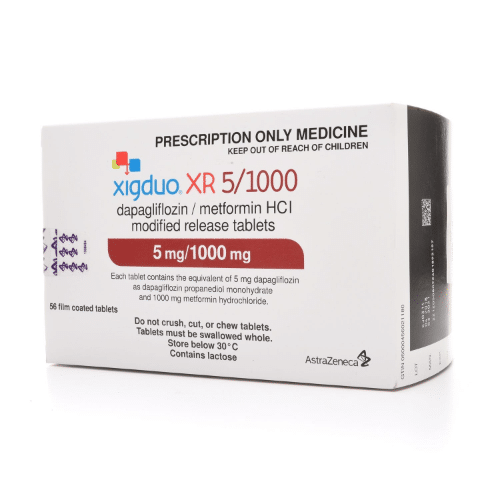
And maybe that is why people are drawn to pages like this discussion of Xigduo. Not simply for information, but for a feeling that the unfamiliar can be named, arranged, and made less intimidating.
When language becomes a routine
There is something striking about the way medicine enters daily vocabulary. At first, a name can feel technical and distant, almost borrowed from another world. Then, over time, it may become ordinary shorthand woven into a person’s habits. Not dramatic, not symbolic in any grand cinematic sense, just quietly present.
That is part of the emotional texture people don’t always talk about. A medicine is never only a medicine in the abstract. It can represent discipline, interruption, relief, inconvenience, structure, or even the strange comfort of having a plan. The words around it matter because they shape how the experience is understood.
Uses sounds practical, but it also carries a hidden question: what role will this play in the story of a person’s days?
Dosage sounds exact, but it hints at rhythm, repetition, and the reality that life is built from recurring acts.
Side effects sounds like a secondary category, yet the phrase itself reveals a lot about how people think. We like to imagine a main path and a set of margins, a central intention and a few footnotes. Life, of course, is less obedient than that. What feels central to one person may feel peripheral to another. Experience has a way of rearranging the hierarchy.
The culture of wanting clear answers
We live in a time that prizes optimization. Better habits, cleaner systems, more precise tracking, fewer surprises. In that atmosphere, medicine language can begin to sound like part of a larger cultural script: identify the issue, apply the correct framework, manage the variables.
There is comfort in that script, but there is also tension. People are not machines, and reassurance does not always arrive in bullet points. Even when information is useful, the act of reading it can stir up a messier set of feelings: hope mixed with caution, curiosity mixed with dread, relief mixed with the realization that something once abstract is now personal.
This is why the tone around health matters so much. A purely technical frame may be efficient, but it can also flatten the lived experience. It can make ordinary complexity seem like a deviation rather than the norm. Yet complexity is usually the norm. Most people are not looking for drama; they are trying to fold one more form of responsibility into already crowded lives.
Small rituals, large meanings
One of the least glamorous truths about modern health is that much of it happens through repetition. Not the dramatic turning points, but the tiny acts that accumulate meaning over time. Opening a cabinet. Checking a bag before leaving the house. Remembering. Forgetting. Starting again the next day.
In that sense, the language of medicine often intersects with the language of routine. And routines are never just logistical. They shape mood. They influence identity. They can make someone feel capable one week and tired of being vigilant the next.
That doesn’t mean the story is bleak. If anything, it suggests something more ordinary and more humane: people are always translating formal systems into lived experience. They take the polished vocabulary of experts and fit it into the rough, uneven texture of actual days.
Sometimes that translation is smooth. Sometimes it isn’t. Either way, it reveals a quiet truth about health in contemporary life: the search is not only for answers, but for a way to carry answers without letting them dominate everything else.
Beyond the headings
What stays with me about topics framed this way is not their technical structure, but their emotional subtext. Beneath the categories is a familiar human hope that knowledge might soften uncertainty. Not erase it, exactly, but make it more companionable.
That may be why even the most procedural health topics can feel surprisingly personal. They point to a larger tension many people know well: we want clarity, yet we live through ambiguity. We want reliable systems, yet our days remain stubbornly human.
Maybe that is the real story hiding behind tidy headings. Not just a list of terms, but a portrait of how people meet complexity: carefully, repeatedly, and often more bravely than the language gives them credit for.
https://canadianinsulin.com/articles/xigduo-uses-dosage-and-side-effects/