The Quiet Anxiety of Starting Over at the Table
A familiar question hides inside every new eating routine: what changes first, the plate or the person?
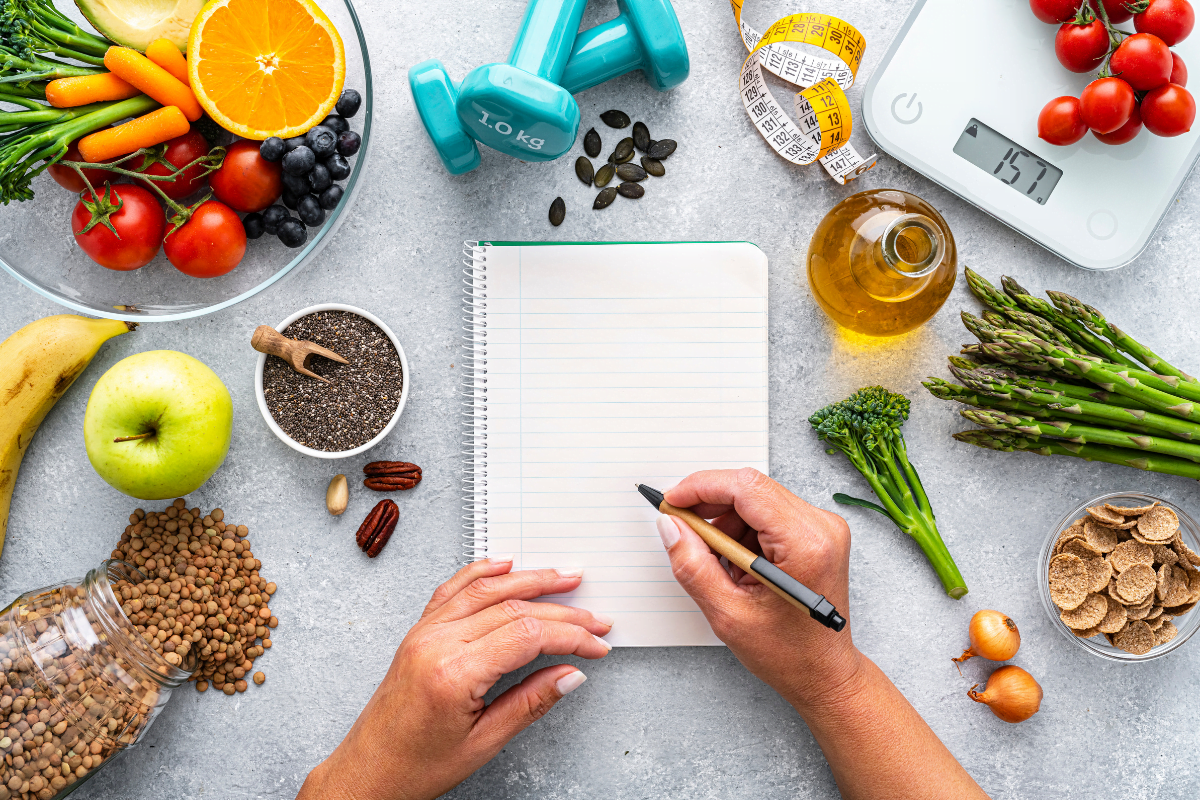
Some topics arrive with the force of a trend, and others drift in more quietly, carried by side conversations, search bars, and the private rituals of grocery lists. Lately, the idea of reshaping a plate around a new routine has taken on that quieter kind of attention. Not dramatic. Not exactly fashionable. More like a low, steady hum in the background of modern life.
What makes it interesting is not the list of foods itself. Lists are easy. They flatten everything into neat categories, as if appetite, comfort, habit, and emotion can all be sorted with the confidence of labels in a pantry. The harder part is what those lists seem to promise: a cleaner beginning, a more intentional self, a sense that everyday choices can suddenly become meaningful in a new way.
That’s part of what makes conversations around plans like the one discussed here feel bigger than meal planning. They tap into a familiar hope that changing what sits on the table might also soften the noise around eating—the bargaining, the overthinking, the small guilt that sometimes follows ordinary decisions.
The modern menu is full of symbolism
Food has never been just food, but lately it seems to carry even more symbolism than usual. A breakfast can look disciplined. A snack can look careless. A dinner can feel “good” or “bad” before it is even finished. That kind of moral weather settles over people quietly, and once it does, every meal can start to feel like a referendum on character.
So when a structured eating approach enters the picture, it often arrives with more emotional weight than anyone admits. It can feel reassuring simply because it narrows the field. In a culture that offers endless options, limits can masquerade as relief. Fewer choices, fewer questions, fewer chances to second-guess yourself in front of the refrigerator light.
And yet there is tension in that relief. A plan may appear practical on paper, but daily life is rarely paper-shaped. It is birthdays and rushed lunches and late-night cravings and the odd sadness that sends a person looking for something salty, crunchy, warm, or sweet. The gap between the ideal menu and the lived one is where most of the real story unfolds.
Eating is rarely only about hunger
One of the stranger myths of wellness culture is the idea that people choose food in a vacuum, like tiny rational economists conducting private market research in the cereal aisle. In reality, eating is braided into memory, schedule, family, mood, and convenience. It belongs to commutes and traditions and the weather.
That is why any conversation about “best” foods and foods to leave behind quickly turns into something more revealing. It exposes what people believe food should do for them. Be comforting, but not too comforting. Be easy, but not lazy. Be enjoyable, but somehow also optimized. The modern plate is expected to perform an exhausting number of roles.
A person adjusting to a new routine may notice this immediately: the kitchen becomes less automatic. Suddenly there is more attention paid to texture, fullness, timing, simplicity. Familiar items can start to look different—not because they changed, but because the lens did. Meals that once felt incidental become charged with interpretation.
The mood of “starting fresh”
There is also a particular emotional atmosphere around beginning again. It has its own aesthetic: cleared counters, stocked containers, a shopping cart with a new personality. Starting fresh often feels elegant in theory because it edits out the messier middle. The middle is where repetition lives. It is where novelty fades and people discover whether a routine can coexist with real life.
In that stage, the most meaningful changes are often not dramatic. They are subtle shifts in attention. A growing preference for foods that feel steadier. A reduced patience for things that seem to create more friction than pleasure. A new awareness of how some choices fit easily into the day while others ask for too much negotiation.
That quiet recalibration is easy to miss because it does not look cinematic. But it may be the most human part of all this. Not perfection, not transformation, just the slow editing of everyday habits until the plate feels less like a battleground and more like a place to land.
Beyond the rulebook
Maybe that is why these food conversations remain so compelling. People are not only looking for ingredients or exclusions. They are trying to understand what a different relationship with eating might feel like. Less chaotic, perhaps. Less performative. Less shaped by swings between indulgence and correction.
There is something almost tender in that search. Underneath all the sorting and avoiding and choosing is a simple desire for ease. Not the fantasy version sold by glossy routines, but a quieter ease—the kind that comes when food stops being a test and starts feeling more like part of a livable day.
And perhaps that is the real intrigue of any diet plan tied to a larger health conversation: it invites people to imagine that change could be ordinary. Not grand, not loud, not morally dazzling. Just ordinary enough to keep happening, one unremarkable meal at a time.
https://canadianinsulin.com/articles/wegovy-diet-plan-best-foods-to-eat-which-to-avoid/