The Quiet Appeal of a Fresh-Slate Ritual
A reflective look at why renewal rituals keep finding their way into modern beauty culture.
There is something strangely compelling about the idea of beginning again, especially when it comes to the rituals people build around appearance. Not transformation in the dramatic, cinematic sense, but the smaller kind: the feeling of clearing a surface, resetting a mood, or making space for a version of oneself that feels a little more awake.
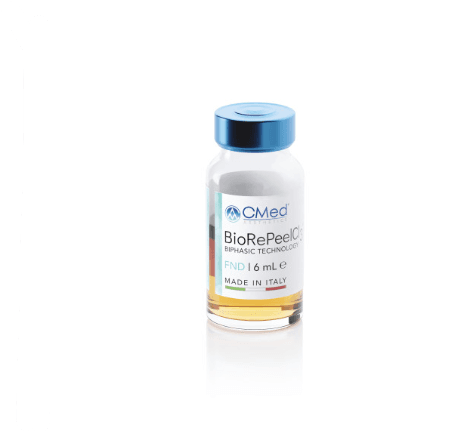
In beauty culture, these moments often gather around objects and names that seem almost coded from the outside. A product page such as BioRePeelCl3 FND sits inside that world: precise, professional, and quietly suggestive of a larger conversation about renewal. The name may be technical, but the impulse behind why people notice such things is deeply human.
The modern fascination with renewal
The language of beauty has changed. Where older conversations often centered on concealment, modern ones tend to orbit around maintenance, texture, glow, and upkeep. The fantasy is less about becoming someone else and more about feeling less dulled by time, weather, stress, screens, or routine.
That shift says something about contemporary life. People are tired, overlit, photographed often, and aware of themselves in ways previous generations were not. A face is no longer only seen in mirrors and social gatherings; it appears in video calls, camera rolls, group chats, and tiny reflections on dark phone screens. It is easy to understand why the idea of refreshing the surface has become emotionally loaded.
Still, the appeal is not purely visual. Many beauty rituals are about rhythm. They mark a pause. They create a before and after, even if the change is subtle or private. The act of setting aside time for a treatment, a facial, a skincare routine, or a seasonal reset can feel like putting punctuation into an otherwise run-on life.
When technical names become cultural objects
Some names in the beauty and aesthetics world sound more like laboratory labels than lifestyle symbols. At first glance, they can feel distant, almost opaque. Yet that distance is part of their modern aura. The technicality suggests specialization. It signals that beauty is no longer only a cabinet of creams and scented jars, but also a landscape of formulas, protocols, devices, and professional environments.
This can make the field feel both intriguing and slightly intimidating. People may not know exactly what a name refers to, but they recognize the mood around it: clinical minimalism, polished treatment rooms, quiet confidence, and the promise of refinement rather than spectacle.
That promise is powerful because it fits the current taste for subtlety. The most desirable beauty outcomes are often described in almost evasive terms: rested, brighter, smoother-looking, fresh. The goal is rarely to announce intervention. It is to look as though life has been kinder than it was.
The ritual beneath the surface
What makes these renewal-focused treatments interesting is not only what they are, but how people imagine them. They occupy a space between self-care and aspiration. They are not quite everyday skincare, yet not always framed as a dramatic event. Instead, they belong to the category of considered upkeep: something planned, researched, discussed, and folded into a broader sense of personal presentation.
There is a quiet psychology to that. To care about the surface is not necessarily superficial. Surfaces are where life leaves evidence. They show sleep, worry, climate, habits, and history. Wanting to refresh them can be a way of negotiating with time rather than denying it.
Of course, beauty culture can overpromise. It can turn normal texture into a problem and ordinary aging into a project. But it can also offer people a vocabulary for attention. The same ritual that feels excessive to one person may feel grounding to another. The meaning depends on the person, the context, and the expectations they bring to it.
A softer kind of aspiration
The most interesting beauty trends today are often not loud. They do not always sell fantasy in glittering extremes. Instead, they lean into polish, restraint, and the slightly mysterious ideal of looking well cared for. This is why renewal rituals keep returning in different forms. They match a cultural moment that values ease, even when that ease is carefully produced.
There is also comfort in the idea that care can be incremental. A small reset feels more believable than a grand reinvention. It allows people to imagine change without severing themselves from who they already are. That may be why the language of freshness has such staying power. It is hopeful without being radical.
The unfinished conversation
A product name alone cannot explain the culture surrounding it. But it can act like a doorway into the questions beauty keeps asking: What does it mean to feel restored? How much of appearance is personal pleasure, and how much is social pressure? When does maintenance become ritual? When does ritual become identity?
These questions do not need tidy answers. Part of the fascination lies in the ambiguity. Beauty is practical and emotional, visible and private, ordinary and symbolic all at once. The surface is never just the surface; it is where expectation, memory, fatigue, confidence, and curiosity meet.
Perhaps that is why fresh-slate rituals continue to hold attention. They offer a small narrative of renewal in a world that rarely stops long enough to provide one. Not a promise of perfection, but a moment of possibility: the sense that something can be cleared, softened, revisited, or simply seen again in better light.