The Quiet Appeal of Looking Rested
Some beauty conversations are really about mood, perception, and the soft ambition to seem a little more like ourselves.
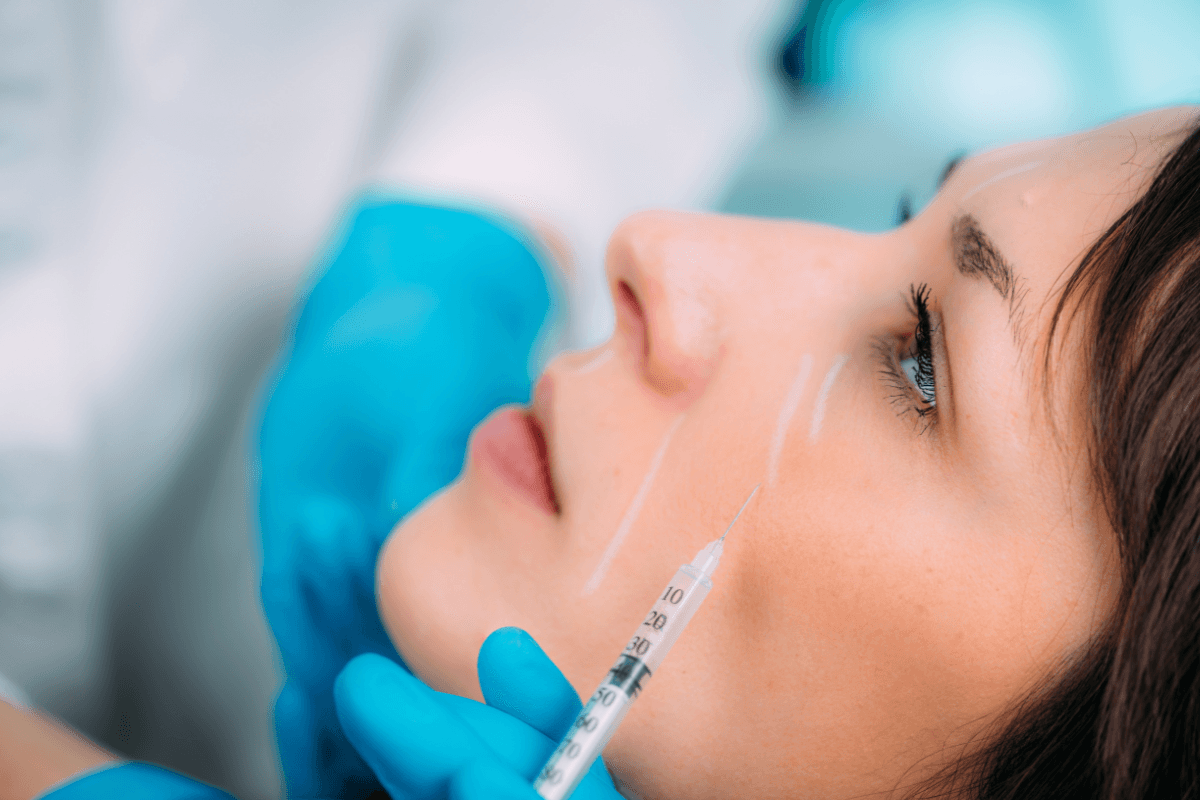
There is something revealing about the way people talk about refreshment now. Not just sleep, not just skincare, not even style in the old sense, but a softer idea: looking less interrupted by life. The language around appearance has shifted from transformation to restoration, from dramatic change to subtle calibration. That is part of why treatments associated with facial rejuvenation keep showing up in conversations that are ostensibly about confidence, routine, and modern self-presentation.
A name like Elravie enters that conversation almost like a password. Not because everyone knows exactly what it means, but because it signals a certain kind of beauty culture: researched, compared, quietly circulated between clinics, comment sections, and private messages. The interest is rarely just about a product on its own. It is about the atmosphere around it — the sense that somewhere between beauty counter optimism and cosmetic overstatement, there might be a more measured middle ground.
The new beauty tone is restraint
For a long time, visible effort was the point. People chased the unmistakable sign of having done something new, bought something expensive, committed to a system. Now the mood feels different. The contemporary beauty ideal often asks for plausible mystery. Someone looks fresher, more awake, somehow more composed, and the effect sits in that tantalizing space between obvious and unplaceable.
That is why clinic-centered beauty language has become so interesting. It borrows from expertise, but it is consumed like lifestyle content. Reviews are read not only for information, but for tone. People are listening for whether a treatment feels harsh or harmonious, whether it belongs to the world of spectacle or the world of refinement. Even the phrase “facial rejuvenation” carries this tension. It sounds polished and aspirational, but also slightly defensive, as though trying to assure everyone that the goal is not to become someone else.
What people are really shopping for
When someone falls into a spiral of reading about aesthetic options, they are not always chasing youth in the cartoonish sense. More often, they seem to be looking for alignment. They want the mirror to match the version of themselves they still feel internally connected to. That desire is difficult to quantify, which is why the surrounding culture matters so much.
A clinic review, a before-and-after discussion, a passing mention in a beauty forum — these become stand-ins for a larger emotional question: can change be gentle enough to feel like recognition rather than reinvention?
That is also why branded names circulate with a peculiar energy. They become symbols for taste, caution, discernment, and trust. Even people who never book a consultation understand the genre. They know the rhythm of researching, comparing, hesitating, reading one more page late at night. In that sense, a topic like this is as much about contemporary decision-making as it is about beauty itself. One useful reference point appears in this discussion of Elravie and facial rejuvenation, which reflects how these names enter wider aesthetic conversations.
The clinic as a cultural space
Clinics occupy a curious place in modern life. They are part wellness space, part beauty destination, part arena of private negotiation. People do not enter them only with practical questions; they also bring hopes, anxieties, inherited ideas about aging, and a mental scrapbook of faces they admire. That makes every treatment conversation larger than it first appears.
Products associated with rejuvenation become part of that cultural architecture. They are discussed not simply as items, but as choices that reveal a philosophy. Some people are drawn to anything that sounds established and polished. Others want something that feels understated, almost invisible in spirit. The fascination is rarely with technicalities alone. It is with what a choice suggests about a person’s relationship to time, maintenance, and self-observation.
Looking “natural” is still a performance
Perhaps the most interesting contradiction in this whole space is how often people say they want to look natural, when natural itself has become a curated aesthetic. To appear untouched can require immense thought. To seem effortlessly well can involve plenty of effort, just displaced into quieter forms.
That does not make the desire false. If anything, it makes it more human. People are constantly negotiating how visible they want their choices to be. Some choices are meant to announce themselves; others are meant to disappear into the whole. The appeal of rejuvenation language often lives in that second category. It promises, at least culturally, not drama but continuity.
And maybe that is why these topics persist. They are not only about beauty procedures. They are about the modern fantasy of staying legible to ourselves while everything else keeps changing: work, stress, screens, light, age, expectation. In that context, the allure of anything associated with looking rested is easy to understand. It speaks to a desire that is less vain than people sometimes admit — the desire to move through the world appearing a little more like the person you feel you still are.
https://medwholesalesupplies.com/why-elravie-filler-is-a-top-choice-for-facial-rejuvenation/