The Quiet Appeal of Looking Slightly More Rested
A small, clinical label can open a much larger conversation about refinement, restraint, and the modern wish to look like ourselves on a good day.
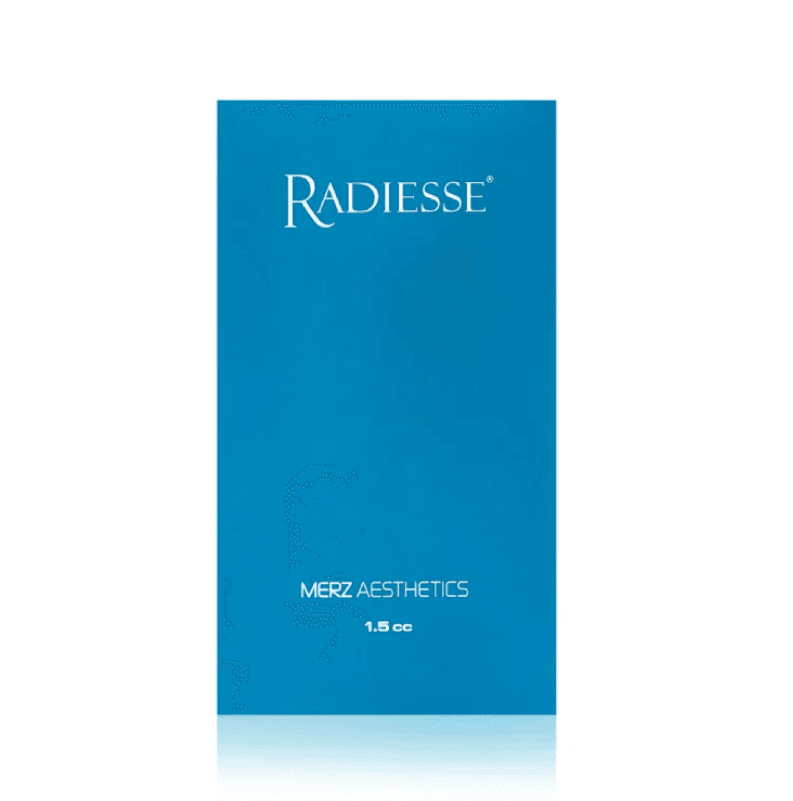
There is something oddly revealing about the language of modern beauty. It often arrives dressed in technical shorthand: a polished brand name, a measured quantity, a neat listing that sounds more like inventory than emotion. And yet behind that tidy presentation is a very untidy human desire — the wish to look a little more like the version of ourselves we recognize in our best moments.
That contrast is what makes aesthetic culture so interesting now. The surface language is precise, almost minimalist. The underlying feeling is anything but. People are rarely chasing transformation in the dramatic, old-Hollywood sense that used to dominate beauty myths. More often, the cultural mood leans toward subtlety: softer edges, less visible effort, a face that suggests sleep, calm, or a season of low stress, even when real life is doing no such thing.
The age of almost invisible change
What stands out about the current conversation around appearance is how much it values edits that are difficult to name. The aspiration is often not “different,” but “not tired.” Not new, but refreshed. Not perfected, exactly, but eased.
That shift says something larger about the times. We live in an era that prizes optimization but distrusts obvious striving. People are encouraged to improve, refine, streamline, and enhance, but in a way that appears effortless. The ideal result is frequently described in social terms rather than technical ones: someone notices you look well, but they cannot immediately explain why.
It is a very contemporary kind of ambition. We want visible outcomes with invisible machinery. We want polish without the appearance of labor. We want a before and after that still feels like one continuous person.
Why the label feels colder than the longing
A product name and a measurement can sound sterile, almost detached from the emotional world they belong to. That is part of their strange power. They reduce something intimate into a format that feels manageable. A desire becomes a listing. An insecurity becomes a category. A passing thought in the mirror becomes an item with a clean, straightforward label.
There is comfort in that translation. It turns uncertainty into something that appears contained, sortable, and modern. Beauty, once wrapped in mystery, now often comes packaged in the language of systems, precision, and choice.
But the feelings remain stubbornly human. People are still responding to memory, comparison, fatigue, expectation, and hope. They are still trying to align how they feel inside with what the world reflects back to them. The labeling may be technical; the motivation is often deeply personal.
A simple example of that polished product-world language can be seen in a listing like this one, where the naming feels efficient, almost matter-of-fact, while the broader cultural meaning around it is much more layered.
Beauty as mood management
One of the more intriguing shifts in aesthetic culture is that appearance is no longer discussed only as style. It is increasingly tied to mood, energy, and social readability. Looking “fresh” now often means signaling that life is under control. Looking “drawn” suggests the opposite. A face has become, fairly or unfairly, a kind of status update.
That makes even small changes feel symbolically large. They are not just about symmetry or smoothness or balance in a narrow visual sense. They can represent a hope for ease. A wish to stop wearing every stressful week so visibly. A desire to look less like someone running late through everything.
This is why subtle aesthetic choices carry so much emotional charge. They live at the intersection of vanity, self-expression, exhaustion, and ritual. They are rarely just one thing.
The new luxury is restraint
Perhaps the most telling part of the current beauty mood is that obvious excess has lost some of its glamour. Restraint now reads as expensive, intentional, and culturally fluent. The look many people admire is not maximal change but selective adjustment — enough to shift perception, not enough to announce itself.
That preference for restraint mirrors broader design and lifestyle trends. The same culture that praises uncluttered interiors, quiet branding, and capsule wardrobes also tends to admire beauty that looks edited rather than declared. The fantasy is not reinvention. It is coherence.
And coherence, especially in appearance, has become its own form of aspiration. To look consistent with your age, your style, your pace, your personality — only slightly less weathered by the ordinary grind — is now a deeply recognizable goal.
What these small labels really point toward
A compact product title can seem like a minor thing, easy to scroll past. But it often points toward much larger questions: how we want to be seen, how much effort we are willing to reveal, and why “looking well” has become one of the most prized visual currencies of contemporary life.
Maybe that is the real fascination here. Not the item itself, but the atmosphere around it. The quiet belief that a subtle shift might help someone look more aligned with how they imagine themselves. Not transformed. Not disguised. Just slightly closer to the version that feels familiar, rested, and intact.
In that sense, the modern beauty landscape is less about becoming someone else than about negotiating the tiny distance between reflection and recognition. And sometimes, all of that complexity is hidden behind a name, a number, and a very small box.
https://medwholesalesupplies.com/product/radiesse1-5-ml-1-1-5ml-prefilled-syringe/