The Quiet Appeal of Treatments That Promise Less Drama
Some beauty conversations are loud. Others gather around subtle change, quiet maintenance, and the appeal of looking simply a little more rested.
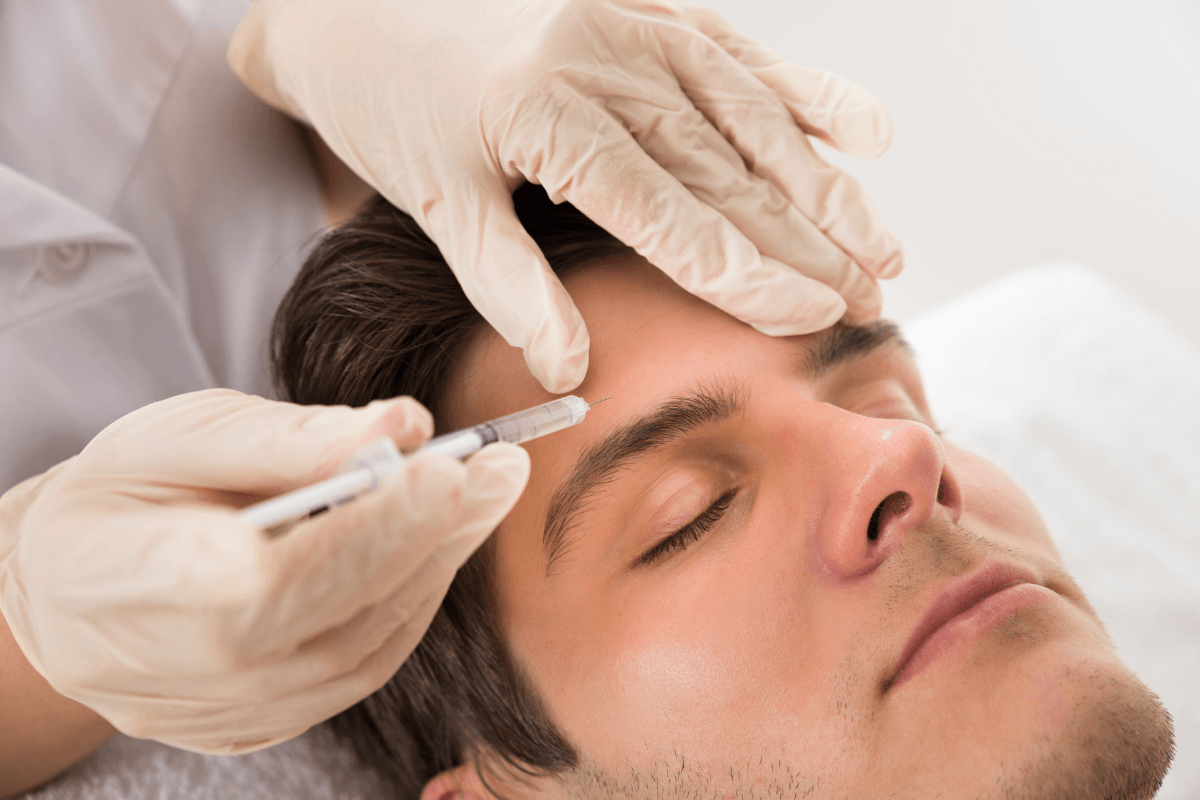
There is a particular kind of beauty conversation that doesn’t arrive with fireworks. It slips in sideways, somewhere between a clinic waiting room, a group chat, and the mirror on a tired Thursday. It’s the conversation about subtle treatments—the ones people mention with lowered voices and careful phrasing, as if the real appeal lies not in transformation but in restraint.
That’s part of why products built around hydration and softening the look of fine lines attract so much curiosity. Not because they promise spectacle, but because they seem to belong to a different mood entirely. Less reinvention, more maintenance. Less “new face,” more “slightly better morning.”
The modern beauty world is full of extremes in language. Everything is described as groundbreaking, game-changing, impossible to ignore. Against that backdrop, it’s interesting when attention gathers around something quieter. Reviews and practical clinic talk often become a kind of unofficial cultural barometer: what are people actually looking for when they step away from glossy marketing and into ordinary decisions?
The age of almost invisible change
For a long time, beauty trends seemed to reward dramatic before-and-after moments. But now there’s a different aesthetic mood in the air. People don’t always want to look altered. They want to look slept on, hydrated, less burdened by the week. The fantasy is not perfection so much as ease.
That shift says something bigger than skincare or aesthetics alone. It reflects a wider appetite for outcomes that feel believable. We’re surrounded by edited images, sharpened filters, impossible light. In response, subtlety has become aspirational. The barely-there improvement now carries a kind of social value. It suggests taste, control, discretion.
And discretion, in beauty culture, is its own luxury.
Why “practical” stands out
The phrase “practical clinic guide” carries a very specific energy. It moves the conversation away from glamour and toward routine. It suggests that whatever the product or treatment may be, people want to understand how it fits into real spaces, real schedules, real expectations.
That may be the most revealing part of all. Beauty is often sold as fantasy, but chosen as logistics. People aren’t only interested in the idea of a treatment; they’re interested in the rhythm around it. How does it sound in conversation? Does it feel like a big decision or a small one? Does it belong to the category of occasional indulgence, or something more like ongoing upkeep?
When reviews become part of the picture, they do something marketing rarely can. They translate polished promise into social texture. They capture hesitation, hope, tiny disappointments, pleasant surprises, and the endless human habit of comparing expectation with reality.
A related discussion around clinic-facing interest hints at how these quieter categories continue to gather attention.
The new beauty status symbol may be moderation
What’s striking about today’s aesthetic preferences is how often they are framed through absence. Not too much. Not overdone. Not obvious. It’s a language built on careful limits.
That can seem contradictory in an industry designed to sell more, promise more, reveal more. Yet it makes sense. In a world that constantly pushes visibility, there is growing prestige in looking untouched while still appearing unusually well put together. The effect matters, but the evidence of effort is meant to disappear.
This creates a fascinating emotional atmosphere around clinic culture. People are curious, but guarded. Open-minded, but careful not to seem too eager. They want improvement, but in a way that preserves the idea of naturalness. The most admired result is often the one that can’t be easily named.
In that sense, treatments associated with hydration or surface freshness tap into something psychologically neat: they appear to offer participation without surrender. A person can enter the world of aesthetic maintenance while still feeling aligned with the value of understatement.
Reviews as modern folklore
Reviews are rarely just reviews. They’re tiny stories about trust.
Someone reads them not only to learn about a product, but to measure tone. Is the experience described in a language of excitement, caution, relief, ritual? Does it sound like a trend chasing itself, or like something folding quietly into the background of ordinary self-presentation?
There’s almost a folklore quality to this. One person notices a softening. Another notices convenience. Someone else notices that the whole appeal lies in things being hard to notice at all. Piece by piece, a reputation forms—not only around effectiveness in the narrow sense, but around vibe, suitability, and social meaning.
That social meaning matters more than many industries like to admit. Beauty choices are rarely isolated choices. They are shaped by workplace norms, camera culture, age expectations, friendship circles, and the subtle pressure to look both effortless and maintained. A treatment can become popular not simply because of what it is said to do, but because of what it allows a person to signal.
A softer kind of ambition
Maybe that is the real story here. Not the search for dramatic correction, but the rise of softer ambition. The desire to look awake, cared for, polished without punctuation. To move through the world with a face that feels less like a project and more like a place one has returned to.
That is why these conversations linger. They are not only about appearance. They are about mood, timing, and the modern preference for changes that whisper instead of announce themselves.
In an era obsessed with obvious upgrades, there is something unexpectedly revealing about the popularity of anything that promises to stay in the realm of the almost invisible. It suggests that many people are not chasing reinvention after all.
They are chasing continuity—just with better light.
https://medwholesalesupplies.com/viscoderm-hydrobooster-for-fine-lines-and-hydration/