The Quiet Architecture of Looking Like Yourself
A reflective look at facial volume, beauty culture, and the subtle choices that shape how people think about appearance.
There is a particular kind of mirror moment that does not announce itself dramatically. It arrives quietly, often in passing: a glance in a shop window, a face on a video call, a photograph someone else took. The feeling is not always dissatisfaction. Sometimes it is simply recognition with a question mark attached.
We live in an age where appearance is discussed with a strange mix of intimacy and distance. People talk about glow, freshness, structure, softness, balance. The language has become architectural and emotional at once. A face is no longer only a face in the cultural imagination; it is read as mood, energy, routine, stress, rest, age, identity, and self-presentation.
That is why the idea of facial volume has become more than a technical phrase. It sits at the intersection of aesthetics and perception, where tiny changes can feel symbolically large.
The rise of subtlety
Not long ago, beauty conversations often leaned toward transformation. Makeovers had a before-and-after logic. The promise was visible change, a dramatic reveal, a new version of someone stepping out from behind the old one.
Now, the mood is quieter. The most admired aesthetic choices are often the least obvious. People speak less about becoming someone else and more about looking rested, balanced, or familiar to themselves. The goal, at least culturally, seems to have shifted from spectacle to nuance.
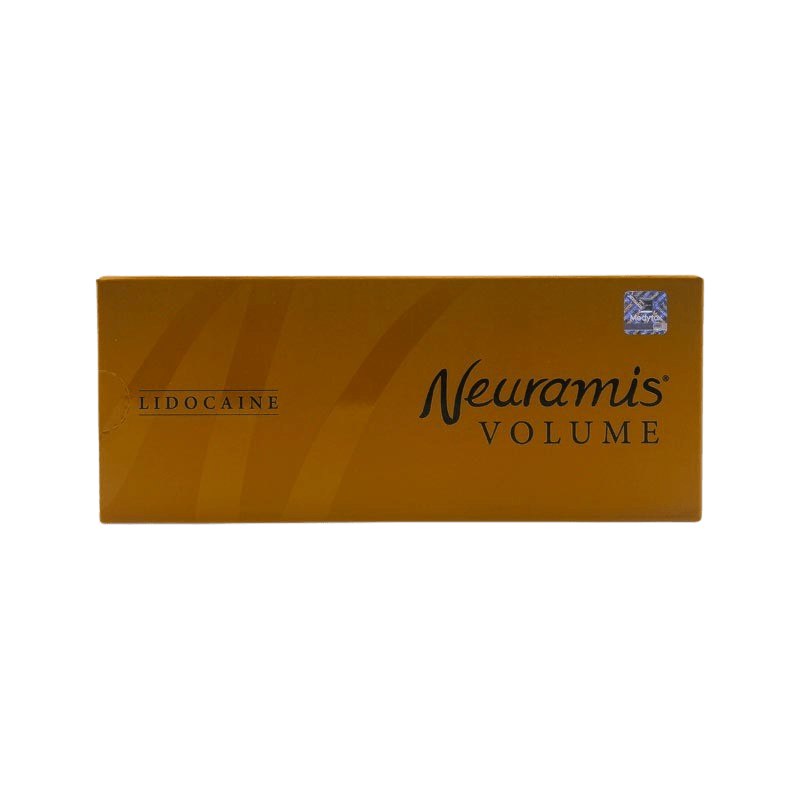
This is where products associated with facial volume, including references like Neuramis Volume, enter a broader conversation. Not as the center of a medical discussion, but as part of a cultural vocabulary around softness, contours, and the ways people interpret change in their own faces.
The interesting part is not simply that such products exist. It is that the surrounding conversation has become so emotionally precise. People are not only asking what can be changed. They are asking what should remain recognizable.
A face as a record of living
Faces collect evidence. Laughter leaves traces. Sleepless seasons leave traces. Sun, worry, joy, grief, habits, genetics, weather, work, and time all participate. To notice change in a face is, in some ways, to notice that life has been happening.
This makes aesthetic curiosity complicated. It can be playful, personal, even artistic. It can also touch deeper questions about control and acceptance. Where does self-expression end and self-correction begin? When does a small adjustment feel empowering, and when does it become a negotiation with an impossible standard?
There is no single answer, because the mirror is never just glass. It carries context. It reflects family resemblance, beauty trends, camera angles, social media, personal history, and the private stories people tell about themselves.
Volume, as a concept, is especially interesting because it is not always about obvious addition. In cultural terms, it suggests presence. It evokes fullness, support, dimension, and shadow. It belongs to the visual grammar of faces, but also to the emotional grammar of how people want to be seen.
The modern desire to look unchanged
One of the quiet contradictions of contemporary beauty culture is the desire to make choices that are not perceived as choices. The compliment many people seem to want is not, “You changed something,” but “You look well.”
That preference reveals a lot. It suggests a collective fondness for plausible freshness, for interventions that disappear into the overall impression. The visible sign of effort is often less celebrated than the illusion of ease.
Of course, ease itself can be a performance. The natural look may involve plenty of curation: lighting, skincare, sleep rituals, camera settings, hair color, posture, clothing, and sometimes aesthetic treatments. What gets labeled effortless is often simply effort arranged gracefully.
Still, the longing beneath it is understandable. Most people do not want their faces to become public announcements. They want continuity. They want to feel that any change belongs to them, rather than overpowering them.
Beauty as a conversation with time
The most compelling way to think about facial aesthetics may be less as a battle against aging and more as a conversation with time. A battle implies defeat is inevitable. A conversation allows for interpretation.
Some people lean toward complete acceptance. Some are curious about small aesthetic choices. Many move back and forth depending on season, circumstance, confidence, and mood. The cultural mistake is pretending that one attitude is universally more authentic than another.
Human beings have always shaped appearance. Clothing, hairstyles, jewelry, cosmetics, fragrance, grooming, and ornament all belong to that long history. What changes is the technology, the vocabulary, and the social meaning attached to each choice.
Facial volume belongs to this evolving landscape. It is part of a larger story about how people relate to their reflections in an image-saturated world. It raises questions about subtlety, identity, and the difference between wanting attention and wanting alignment.
The value of noticing gently
Perhaps the healthiest cultural shift is not toward doing more or doing less, but toward noticing more gently. A face does not need to be treated like a project plan. It can be observed with curiosity rather than urgency.
There is room to wonder why certain features feel expressive, why certain changes feel emotional, why some faces are called tired when they are simply human. There is room to question trends without mocking the people drawn to them. There is room to respect private choices without turning them into public lessons.
In the end, the fascination with volume is really a fascination with perception. How much does a contour alter a feeling? How much does softness affect the way a person reads their own reflection? How much of beauty is structure, and how much is recognition?
The answers are rarely fixed. They shift with age, culture, memory, and light. What remains is the quiet wish many people carry: not necessarily to look younger, not necessarily to look different, but to meet the mirror and feel a little more at home.