The Quiet Art of Looking Like Nothing Happened
A small beauty object can carry a surprisingly large story about taste, restraint, and the modern desire to seem untouched.
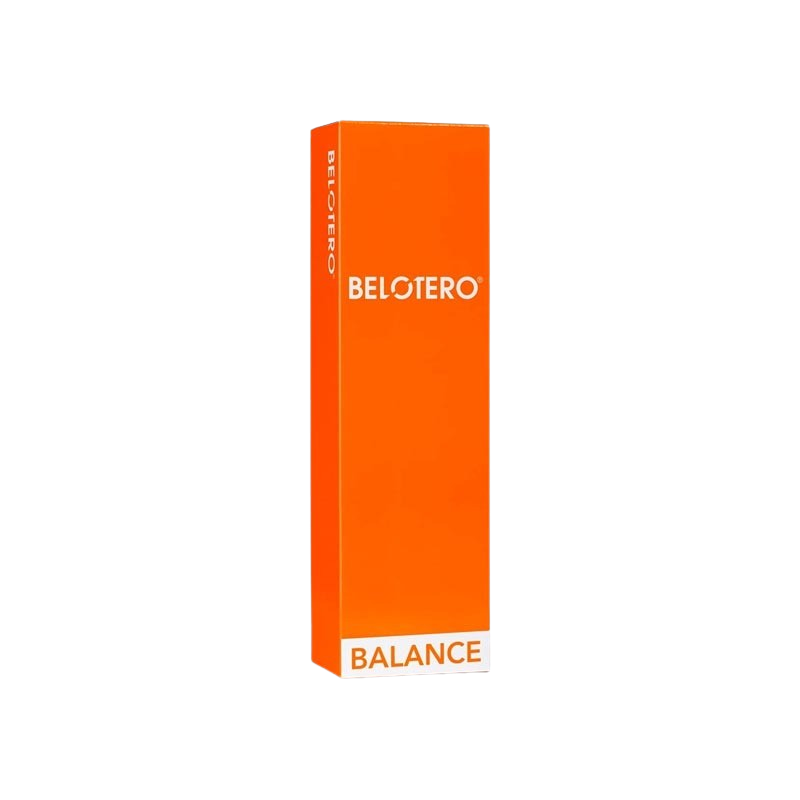
There is a particular kind of product that says more about the moment than it does about itself. It sits inside the language of refinement, promises very little out loud, and somehow becomes a symbol anyway. The name Belotero Balance lands in that strange territory: part object, part mood, part aspiration.
What makes names like this linger is not just the product behind them, but the worldview wrapped around them. “Balance” is one of those words modern culture reaches for whenever it wants to sound calm, intelligent, and in control. It appears in skincare, in interior design, in productivity talk, in wellness routines, in the way people describe their wardrobes and even their calendars. It suggests a life edited down to the right amount of everything.
And beauty, perhaps more than ever, has fallen in love with that idea.
The age of the nearly invisible
We seem to be living through an era that prefers the subtle reveal over the dramatic transformation. The old fantasy of reinvention has softened into something quieter: the hope of looking refreshed without looking altered, polished without looking polished, somehow improved while still appearing untouched. That contradiction is everywhere.
Aesthetic culture used to celebrate the before and after. Now it often celebrates the almost impossible middle ground where nothing obvious can be pointed to. The ideal is not change that announces itself. The ideal is change that dissolves into the rest of a person’s presence.
That is why a name built around balance feels so contemporary. It belongs to a larger taste for understatement. The luxury is no longer only in having access to something specialized. The luxury is in subtlety itself.
When beauty starts sounding like philosophy
There is something fascinating about the way beauty products borrow emotional vocabulary. They are rarely just framed as objects. They are presented as decisions about self-perception, rhythm, restraint, confidence, or ease. Even when the packaging is clinical, the surrounding feeling is often deeply cultural.
A word like “balance” does not sound technical in the imagination. It sounds moral. It sounds tasteful. It implies that too much is a mistake and too little is neglect, and that somewhere in between is the version of selfhood we are supposed to be aiming for.
That may be why beauty conversations often drift into bigger territory so quickly. They are never only about appearance. They become discussions about effort, visibility, age, self-editing, social performance, and the exhausting modern talent of trying to look effortless.
Taste, not transformation
The most interesting shift may be that many people now talk about aesthetic choices the way they talk about furniture or lighting. Less as a dramatic correction, more as a matter of calibration. A little adjustment here, a softening there, an attention to harmony rather than spectacle.
This can feel liberating on one hand. It makes beauty seem more personal, more expressive, less tied to one rigid ideal. But it also creates a new pressure: the pressure to be subtle in exactly the right way. To look natural, but not accidental. To appear rested, but not overly maintained. To seem like yourself, just with the volume turned to the setting culture currently prefers.
That is a lot to ask from any mirror.
The appeal of a controlled story
Part of the attraction of highly refined beauty products is that they offer a controlled narrative. Not a grand makeover, not a visible leap, but the suggestion that small interventions can keep the story coherent. The face, in this framing, is not rewritten. It is lightly revised.
Whether one finds that comforting, curious, or slightly unnerving depends on how one feels about the broader culture of self-optimization. We are surrounded by tiny improvements now: better sleep tracking, better lighting, better posture, better routines, better hydration, better wording, better branding of the self. Beauty simply speaks in the accent of that same world.
Seen that way, a product name can become a cultural clue. It tells us what people are being invited to value. Not excess. Not shock. Not extravagance. Precision. Moderation. Soft control.
Why names matter
It is easy to dismiss product names as marketing fluff, but they often reveal the emotional weather of a time. Years ago, the dominant language may have leaned toward correction, youth, perfection, or glamour. Now the language often circles around subtlety, freshness, harmony, and composure.
That shift says something interesting about what people want to project. Not that they have done a lot, but that they have done just enough. Not that they are chasing an ideal, but that they are gently maintaining one. Even the aspiration has been styled to look relaxed.
A listing like this product page becomes, in that sense, more than a storefront detail. It is a glimpse into a vocabulary of contemporary beauty: calm, discreet, measured, and quietly persuasive.
Maybe that is the real story hidden inside a name like Belotero Balance. Not the object alone, but the atmosphere around it. The longing to refine without announcing refinement. The preference for changes that blur into identity. The cultural prestige of looking like nothing happened at all.
And perhaps that is one of the most revealing beauty ideals of the present: not transformation, but disappearance. Not the visible act, but the seamless result. A little less spectacle, a little more suggestion, and an entire philosophy tucked inside a single careful word.
https://medwholesalesupplies.com/product/belotero-balance-22-5mg-ml-1-1ml-prefilled-syringe/