The Quiet Choreography Behind a Brighter-Faced Ritual
A reflective look at why radiance treatments have become as much about timing, trust, and atmosphere as visible change.
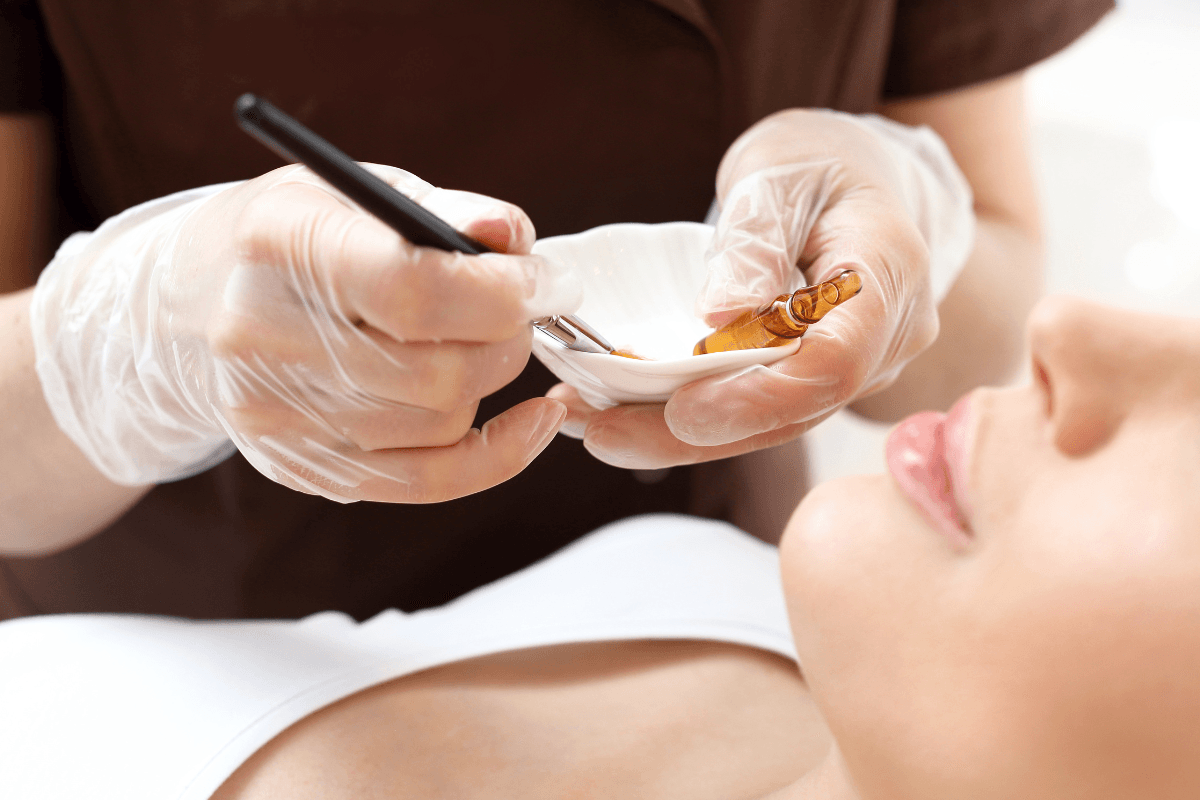
There is a particular kind of curiosity that gathers around skin treatments promising a fresher-looking complexion. It is not only about the mirror, though the mirror is certainly part of it. It is also about ceremony: the booked appointment, the careful conversation, the sense that change is being approached with intention rather than impulse.
In that space, a peel is rarely just a peel. It becomes a small cultural object, carrying ideas about renewal, patience, expertise, and the modern desire to look rested without having to explain why. The topic surfaces often in professional skincare circles, including resources such as Med Wholesale Supplies, where the language of clinic planning sits beside the broader fascination with glow.
Radiance as a modern shorthand
Few beauty words have traveled as far as “radiance.” It appears everywhere: on bottles, in conversations, in the soft language of self-care, in the glow of ring lights and bathroom mirrors. Yet its meaning remains pleasantly elastic. Radiance might suggest smoothness, brightness, evenness, or simply the impression that someone has slept well and been spared bad news for a week.
That looseness is part of its appeal. Unlike dramatic transformation, radiance sounds approachable. It does not announce reinvention. It whispers maintenance, freshness, a return to oneself. It is the aesthetic equivalent of opening curtains in the morning.
This may be why peel-based rituals occupy such an interesting place in the imagination. They imply process without spectacle. They suggest that the surface can be refreshed, but they also ask for pacing. There is a beginning, a waiting period, a reveal that may feel less like a makeover and more like gradual weather clearing.
The clinic as stage, not just setting
A professional treatment room has its own choreography. There is the initial assessment, the discussion of expectations, the way a practitioner reads a face not as a flaw map but as a living surface shaped by habit, climate, age, stress, and preference. Even before anything happens, the setting creates a pause.
That pause matters. Many beauty decisions are made quickly now, accelerated by social feeds and before-and-after images. A clinic environment slows the decision down. It asks what someone is hoping to notice, what they are comfortable with, and how a treatment fits into the rhythm of their life.
This is where planning becomes less administrative and more human. A calendar is never just a calendar. It holds holidays, work presentations, school runs, weddings, weather shifts, and the private desire not to feel too visible while going through any kind of change. The practical and emotional details overlap.
The appeal of controlled renewal
There is something almost symbolic about the idea of shedding dullness. People have always attached meaning to renewal, from seasonal cleaning to haircuts after life changes. Skincare has inherited some of that symbolism, but in a quieter, more tactile form.
A peel, in the cultural imagination, sits between softness and intensity. It is not casual in the way a nightly cream is casual, but it is not necessarily theatrical either. It occupies that middle ground where people want to feel they are doing something purposeful without stepping into the territory of total alteration.
That middle ground is increasingly important. Many people are not chasing a different face. They are chasing the feeling of looking a little more awake inside the face they already know. The language around treatments has shifted accordingly, away from correction alone and toward refinement, upkeep, and the art of not looking overdone.
Expectation is part of the experience
One of the most overlooked parts of any aesthetic ritual is the story someone brings to it. Expectations are rarely formed in isolation. They come from friends, images, influencers, past appointments, and the strange emotional weather of self-perception.
On some days, a person may look at their skin and see fatigue. On another day, under kinder light, they may see character. Treatments enter this shifting landscape. They are chosen not only for what they might do, but for what they represent: care, control, preparation, confidence, or a small reset.
This is why the conversation around professional skincare often feels more layered than the product language suggests. Beneath terms like brightness and texture are deeper questions. How much change feels like enough? How visible should effort be? When does maintenance become pressure? When does a ritual feel nourishing rather than demanding?
There are no universal answers, only individual thresholds.
The beauty of pacing
In a culture fond of instant results, slower rituals have a peculiar charm. They resist the swipe-and-replace mentality. They remind us that bodies, including skin, do not always move at the speed of desire.
This does not make the experience less modern. If anything, it makes it more relevant. The contemporary beauty landscape is crowded with immediacy, but many people are quietly drawn to treatments that require timing, aftercare awareness, and a little patience. Not because patience is glamorous, but because it feels grounded.
Pacing also changes the emotional tone of a treatment. Instead of one dramatic moment, there may be a sequence of small observations: the way the skin feels, the way light catches it, the way makeup sits, the way confidence appears almost casually in a reflection. These are intimate details, easy to miss and hard to measure.
A ritual shaped by trust
The more one thinks about clinic-based skincare, the more it seems that trust is the real centerpiece. Trust in the practitioner’s judgment. Trust in the conversation before the treatment. Trust in the idea that restraint can be as valuable as action.
This is especially true when treatments are framed around radiance rather than radical change. The desired outcome is often subtle, and subtlety requires a shared understanding. It asks the practitioner to listen closely and the client to articulate something that may be more feeling than specification.
That exchange is part of the ritual’s quiet elegance. It is not just about applying something to the skin. It is about translating a vague wish — to look fresher, softer, more luminous, more like oneself after a good season — into a considered plan.
What glow really carries
Perhaps glow remains such a persistent ideal because it suggests wellbeing without spelling it out. It is visual, but it points beyond the visual. It hints at rest, vitality, ease, and care. Whether or not any single treatment can carry all that meaning is beside the point; people continue to seek rituals that make those qualities feel more reachable.
The modern peel sits within that search. It is a treatment, yes, but also a moment of decision, a scheduled pause, a way of giving attention to a surface that faces the world every day.
And maybe that is the most interesting part. Beneath the polished language of radiance is a very ordinary human wish: to feel renewed without losing continuity, to change gently, to meet the mirror with a little less negotiation and a little more recognition.
https://medwholesalesupplies.com/retises-ct-yellow-peel-radiance-in-one-treatment/