The quiet choreography behind a small aesthetic decision
Behind every polished treatment trend is a quieter story about attention, ritual, and the way modern beauty gets organized.
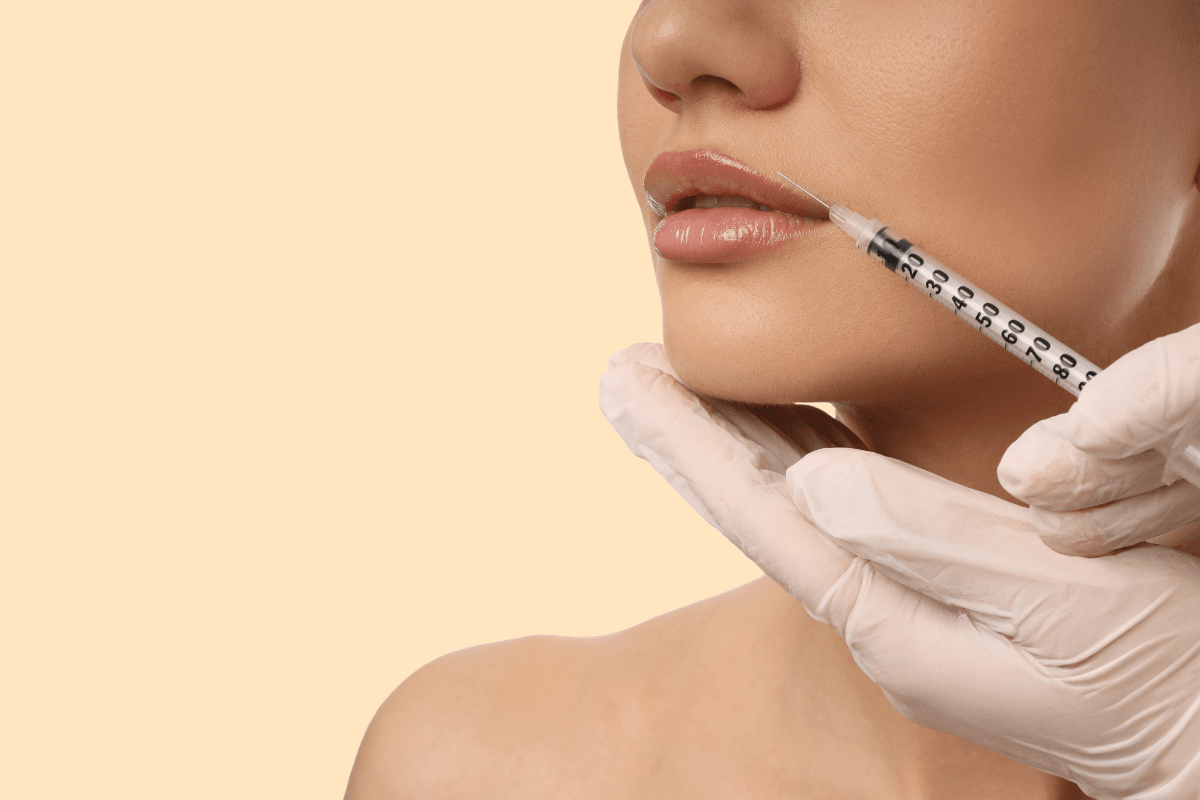
There is something revealing about the way beauty becomes procedural.
Not colder, exactly. Not less personal. Just arranged. Timed. Given a sequence, a room, a checklist, a tone of voice. The moment a desire becomes part of a clinic workflow, it changes character a little. It leaves the realm of vague wanting and enters the world of appointments, consultations, expectations, and the subtle choreography of reassurance.
Lip treatments sit right in the middle of that transformation. They carry a strange double identity: intimate and public, expressive and technical, impulsive in imagination but careful in execution. It is easy to talk about them as if they belong only to trends, selfies, or celebrity spillover. But the more interesting story is the quieter one—the systems built around a tiny change in appearance, and the way those systems reflect how people now approach self-presentation.
When preference becomes process
A clinic does not only provide a service. It interprets preference.
That may be the most modern part of aesthetic culture: not simply the availability of treatments, but the infrastructure around decision-making. Evaluation is no longer just a private glance in the mirror. It becomes a conversation shaped by lighting, language, facial balance, personal history, and the emotional weather of the day. Even before anything happens, there is already a kind of editing taking place. Someone is trying to describe a feeling in visual terms. Someone else is trying to translate that feeling into a practical pathway.
That translation is fascinating because it is never only about appearance. It is also about confidence, restraint, identity, and the contemporary obsession with looking "done" without looking as if anything was done at all.
The age of subtlety as performance
We often pretend subtlety is the opposite of performance, but it may be performance in its most refined form.
The current beauty mood in many places is less about dramatic transformation and more about calibration. Softer edges. Better balance. A sense of freshness that can pass as good sleep, good genetics, good hydration, good luck. Clinics are asked to navigate that wish with remarkable precision. People want change, but not the kind that announces itself too loudly. They want to preserve the story their face already tells while adjusting a sentence or two.
This is where workflow becomes more than administration. It starts to resemble stage direction. Consultation, assessment, expectation-setting, pacing—these are not just operational steps. They are part of how modern aesthetic trust is built. The practical side and the emotional side are not separate lanes; they are braided together.
A useful window into that world appears in a discussion of clinic-facing lip filler considerations, not because it offers some grand revelation, but because it hints at how much of beauty now lives inside planning.
Why workflow says so much about culture
There was a time when beauty talk leaned heavily on mystery. Secret routines. Miracle products. Handed-down tricks. Now, alongside that old mythology, there is an appetite for systems. People want to know that care has a framework. They may never use the language of workflow themselves, but they respond to its presence immediately. Calm competence has become part of the aesthetic experience.
That is true far beyond clinics, of course. Restaurants stage ease through rehearsed service. Hotels sell relaxation through invisible structure. Even the most casual-seeming digital experience is usually held together by elaborate design decisions. In that sense, aesthetic care is not unusual at all. It simply makes the hidden structure more visible because the stakes feel personal.
And perhaps that is why the subject keeps drawing attention. It is not just about lips, or even beauty. It is about the modern preference for guided choices. Many people do not want endless options; they want thoughtful curation. They want someone to notice what they mean, not only what they say.
A small decision with a large atmosphere
What makes this topic linger is the mismatch in scale.
The physical change may be modest. The surrounding atmosphere is not. Around a seemingly small treatment, there can be anticipation, comparison, vulnerability, research spirals, screenshots, memory, hesitation, and hope. That is a lot for any workflow to hold. Yet that is exactly what the best contemporary systems attempt to do: create a setting where technical order can absorb emotional complexity.
There is something almost poetic in that. A world that often feels rushed and loud still makes room for highly structured forms of attentiveness. Not always perfect attentiveness, of course. Not free from trend pressure or aesthetic politics. But attentiveness nonetheless.
Maybe that is the real cultural shift hiding here. We no longer separate beauty from process as neatly as we once did. We understand, intuitively, that the experience around a decision can matter nearly as much as the decision itself.
And so a clinic workflow, on the surface so ordinary and procedural, ends up revealing something bigger: how contemporary people want to be seen. Carefully. Specifically. Without drama, but not without care.
https://medwholesalesupplies.com/stylage-lip-filler-for-clinics-trusted-aesthetic-results/