The quiet confidence of a food people still underestimate
Some foods arrive with fanfare. Others sit quietly on the plate, asking to be noticed more slowly.
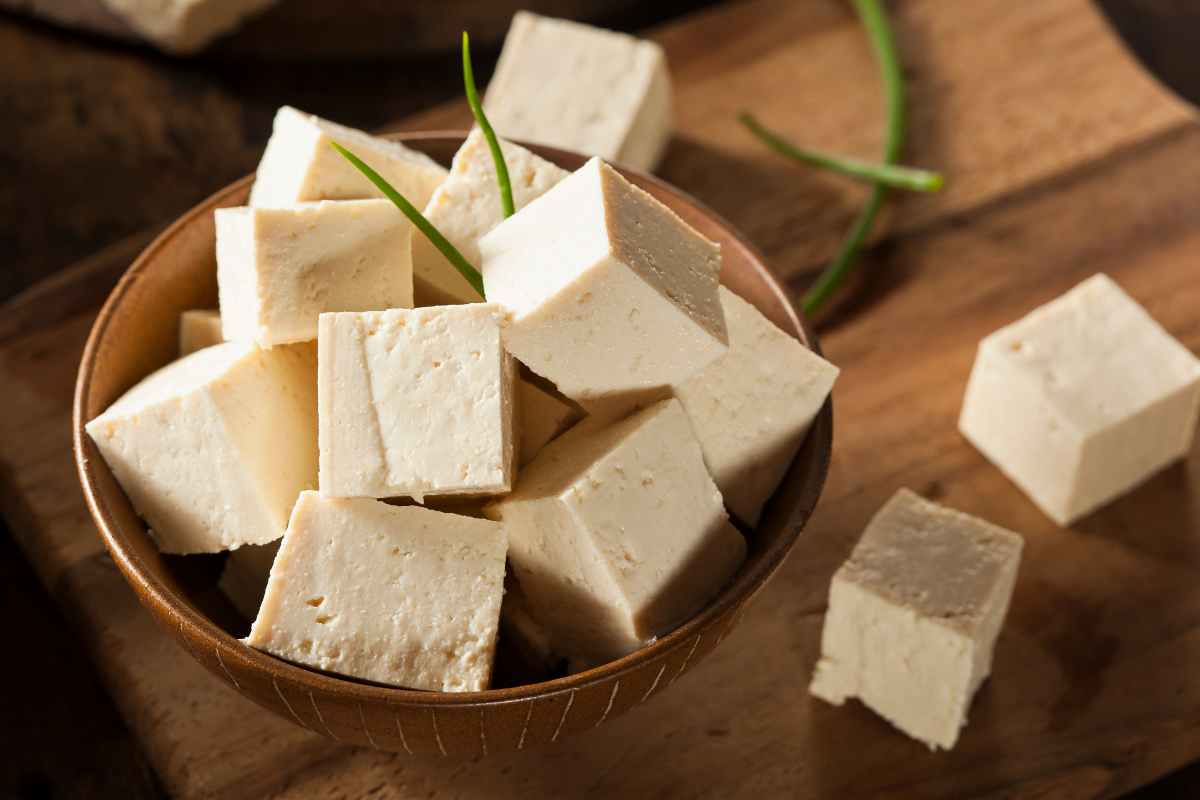
There are foods that seem to carry a whole conversation before they even reach the table. Tofu is one of them.
Not because it is loud, dramatic, or visually persuasive. Quite the opposite. It tends to arrive with a reputation attached: plain, worthy, maybe a little too sensible for its own good. People talk around it before they talk about it. They treat it like a symbol of discipline, or a substitute, or a compromise. And yet that framing misses the more interesting story.
Tofu has a way of slipping past food trends while quietly staying relevant. In a culture that often rewards intensity — more crunch, more sweetness, more spectacle, more labels — it offers something calmer. It absorbs, adapts, and settles into the mood of a meal without insisting on being the headline. That modesty is part of why it gets underestimated.
A food with room in it
One of the strange things about modern eating is how quickly we ask food to declare itself. Is it indulgent or virtuous? Convenient or authentic? A “health food” or a comfort food? Tofu doesn’t fit neatly into those categories, which may be why it keeps being rediscovered.
It can feel almost architectural in the kitchen: a structure waiting for tone, texture, and context. Crisp-edged in one meal, soft and delicate in another, hidden in a broth, seared into a grain bowl, folded into something savory and warm. It doesn’t perform one identity. It collaborates.
That matters more than people sometimes realize. Many everyday meals are not built around dramatic culinary statements. They’re built around rhythm. What can work on a rushed weekday? What feels steady instead of spiky? What leaves enough room for the rest of the plate to make sense? Tofu enters that routine without much friction.
Beyond the stereotype of “healthy”
There’s a particular kind of food praise that can flatten a thing into obligation. Once something gets placed in the category of “good for you,” it often stops being discussed as food at all. Flavor becomes secondary. Pleasure becomes suspicious. Curiosity disappears.
That has happened to tofu more than once.
But the people who actually enjoy cooking with it rarely talk about it in such narrowed terms. They talk about the satisfaction of getting the surface just right. About marinades that cling differently depending on the cut. About the contrast between crisp edges and a tender center. About how a quiet ingredient can make a dish feel more grounded rather than less exciting.
In that sense, tofu says something larger about how we think about eating. Not every nourishing choice has to be framed like self-correction. Not every practical ingredient has to announce its practicality. Sometimes the appeal is simply that a food is versatile, calming, and easier to live with than its reputation suggests.
The psychology of mild things
There is also something cultural in the way we respond to mild foods. We often confuse neutrality with emptiness. If a flavor does not rush forward, we assume there is nothing there. But subtle foods ask a different kind of attention. They make room for seasoning, texture, memory, and preference. They invite participation.
That may be why tofu inspires both skepticism and loyalty. For some, it seems too open-ended. For others, that openness is exactly the point. It can meet a person where they are: craving something crisp and salty one day, something soft and brothy the next. It can be dressed up, left simple, cut small, served boldly, or tucked quietly into a familiar dinner.
There’s an understated dignity in foods that don’t demand applause.
And perhaps that is why conversations around steady, everyday eating so often circle back to ingredients like this. Not because they are glamorous, but because they are adaptable. Not because they solve everything, but because they participate well in real life.
A brief piece on tofu and everyday eating hints at that wider conversation without needing to turn it into a manifesto.
What people are often really looking for
When people become newly attentive to what lands on their plate, they are not always looking for perfect foods. More often, they are looking for foods that feel manageable. Foods that don’t create drama. Foods that can belong to ordinary routines without making those routines feel restricted or joyless.
Tofu fits that emotional landscape better than its image suggests. It is less about reinvention than ease. Less about ideology than flexibility. It can live in the background for weeks and then suddenly become the thing that makes dinner feel pulled together.
That may be the quiet confidence of it: tofu does not need to win an argument to keep earning a place at the table. It only needs to keep working — in the pan, in the bowl, in the small decisions people make when they want meals to feel balanced, unfussy, and still genuinely enjoyable.
In a food culture obsessed with extremes, that kind of steadiness can feel almost radical.
https://canadianinsulin.com/articles/tofu-for-diabetics-nutrition-and-benefits/