The Quiet Drama of Seeing Skin Change
A reflective look at why transformation images hold our attention, and what they reveal about expectation, patience, and self-perception.
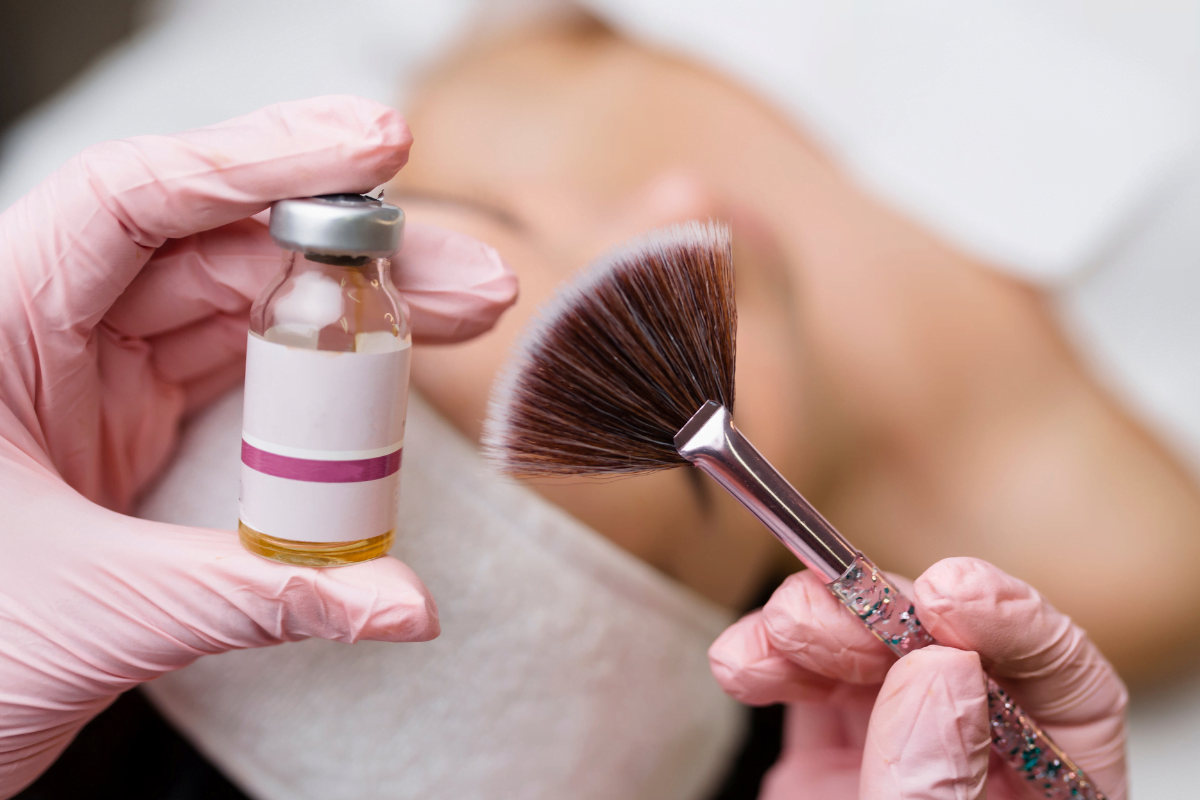
There is something strangely magnetic about a pair of images placed side by side. One is marked by anticipation, the other by arrival. Together, they seem to promise a small story with a beginning and an ending, even when real life is rarely that tidy.
Skin, perhaps more than almost anything else we photograph, carries this tension. It is visible and intimate at the same time. It changes under bathroom light, morning sun, stress, sleep, weather, memory. A face can look different from one week to the next without announcing why. Yet the modern eye has grown accustomed to asking for proof, for comparison, for the satisfying logic of before and after.
That may be why transformation images in beauty and aesthetic culture have become their own kind of language. They do not simply show change. They invite interpretation.
The appeal of the visible pause
A before-and-after image looks simple, but its power often comes from what it leaves out. Between the two frames is a stretch of waiting, wondering, checking, forgetting, noticing again. The middle is invisible, and because it is invisible, the viewer fills it with imagination.
This is especially true with skin-focused treatments and rituals. The subject is not a room renovation or a new haircut, where the change can appear immediate and theatrical. Skin tends to suggest a slower kind of drama. It asks people to look closely, sometimes too closely. Texture, tone, brightness, calmness, unevenness — these are not always loud details. They are subtle signals that depend on light, mood, and expectation.
A page discussing BioRePeel before-and-after imagery sits inside this wider fascination with visible change and the stories people hope images can tell.
Why comparison feels so convincing
The paired image has authority because it feels organized. It reduces uncertainty into a neat visual equation. Here was one state; here is another. The mind enjoys this structure. It is quick, legible, almost cinematic.
But part of the cultural interest lies in the gap between what a comparison appears to show and what a person may actually experience. A photograph can record a surface, but it cannot fully record confidence returning in small increments, or disappointment fading, or the simple relief of feeling less distracted by one's reflection. It also cannot capture the ordinary variables that surround any beauty decision: the room, the lighting, the camera angle, the hopes brought to the mirror that day.
This does not make such images meaningless. It makes them human. They are fragments, not verdicts.
The mirror as a moving target
Most people do not see their own skin objectively. They see it through routines, histories, compliments, insecurities, seasons, and screens. A person may notice a tiny change no one else would detect, while overlooking something that another person sees immediately. The mirror is less like a judge and more like a weather system: familiar, changeable, occasionally dramatic.
That is why the idea of outcome can be emotionally loaded. It is not only about appearance. It is about whether expectations feel met, whether the effort feels worthwhile, whether the person recognizes themselves in the result. Sometimes the most interesting transformation is not the one that photographs best, but the one that changes how often someone thinks about the issue at all.
There is an understated freedom in that. Not every visible change needs to be spectacular. Some shifts matter because they make life feel less interrupted.
Beauty culture and the hunger for evidence
Contemporary beauty culture is full of proof. Screens have trained viewers to expect receipts: close-ups, timelines, testimonials, comparisons. The language of aesthetics has become partly visual and partly emotional, moving between curiosity and caution.
This hunger for evidence makes sense. People want to understand what others have seen, what stood out, what surprised them. Yet the most compelling beauty conversations often happen when certainty loosens a little. Instead of demanding that every image answer a question, we might notice how it raises better ones.
What do we expect change to look like? How much of a result is visual, and how much is perceptual? Why does a small shift sometimes feel enormous? Why do we trust images while also knowing they can never tell the whole story?
These questions make the subject more interesting than a simple reveal.
The softer story inside transformation
Before-and-after culture can sometimes feel impatient, as if every process must justify itself in a dramatic final frame. But skin, like many personal things, resists being compressed into a clean narrative. It has its own pace. It participates in daily life rather than standing outside it.
Perhaps that is the quieter appeal of these comparisons. They are not only about polish or perfection. They are about the human desire to see movement. We want to know that effort can become visible, that time can leave a kinder trace, that change can be witnessed rather than merely hoped for.
The most honest way to look at transformation imagery may be with interest rather than surrender. Let it spark curiosity. Let it suggest possibility. Let it remain one small window into a larger, more complicated story.
Because the drama of skin is rarely just in the surface. It is in the looking, the waiting, the noticing, and the private moment when a person feels, however quietly, that something has shifted.
https://medwholesalesupplies.com/revealing-the-best-skin-biorepeel-before-and-after/