The Quiet Drama of Wanting to Feel More Like Yourself
Some names arrive as products, but what lingers is the larger question of steadiness, identity, and what people hope routine might soften.
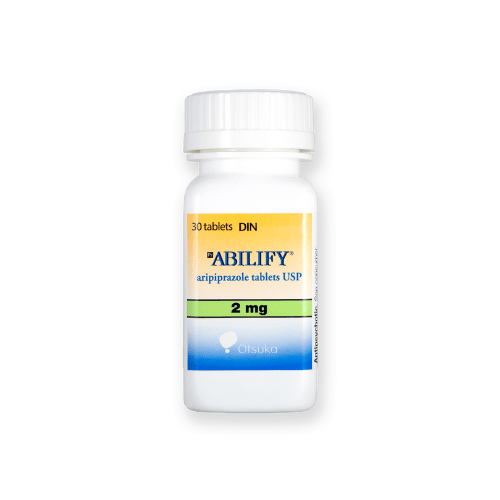
There is something strangely modern about the way a single product name can open up a much bigger conversation. Not really about packaging, or retail, or even the item itself, but about the private wish tucked behind it: the wish to feel more even, more recognizable, more at home in your own weather.
That may be why pages like this reference point tend to feel larger than they look. They sit on the surface of the internet like ordinary listings, yet they hint at a whole interior world of routines, expectations, hesitations, and quiet hopes.
A name at the edge of a feeling
Some names sound technical. Others sound almost aspirational, as if they are trying to meet people halfway between science and emotion. That tension is fascinating. We live in a time when the language around wellbeing often swings between two extremes: cold precision on one side, soft self-discovery on the other. Most people, of course, live somewhere in the middle.
What draws attention is not only the existence of a treatment, but the way it enters daily life as a symbol. It can represent structure. It can represent uncertainty. It can represent the moment someone decides that enduring chaos without comment is no longer the only available style of living. None of that is dramatic in a cinematic sense. It is dramatic in the quieter way real life usually is.
The internet tends to flatten these experiences into searchable labels. A person may arrive looking for one thing and find themselves circling a much older question: what does it mean to feel like yourself when “yourself” has been difficult to locate for a while?
Routine as a form of hope
There is a kind of poetry in routine that rarely gets described as poetry. The glass of water on a counter. The same drawer opening each morning. The tiny negotiations people make with time, energy, sleep, mood, work, family, and the version of themselves they expect to meet by noon.
So much of modern life is built on optimization language, yet most personal routines are not really about becoming impressive. They are about becoming manageable. A little steadier. A little less surprised by your own internal climate.
That is why these topics resonate beyond the clinical spaces where they are often placed. They are tied to the broader culture of maintenance: skin care, stretching, budgeting, meal planning, calendar systems, morning walks, digital detoxes, and all the other rituals people build in hopes of creating a life that feels livable from the inside.
The difference, of course, is that emotional steadiness carries a heavier symbolism. People do not talk about it with the same breezy confidence they bring to reusable water bottles or sleep playlists. There is still a pause in the room. A slight lowering of the voice. A sense that the subject belongs to a more delicate category of selfhood.
The myth of instant transformation
One of the more persistent cultural habits is the belief that change should announce itself clearly. We like before-and-after stories because they are neat. They let us pretend that life moves in chapters with clean page breaks.
But many deeply meaningful shifts do not arrive that way. They are subtle first. They show up as a less jagged afternoon, a little more patience, a conversation that does not spiral, a morning that feels less like recovering from the night before. These are not flashy milestones, which may be why they are often overlooked in the stories we tell about progress.
There is also the opposite misunderstanding: that any step toward support somehow erases authenticity, as though steadiness were less real than struggle. That idea says more about cultural romance than about lived experience. Many people are not looking to become someone else. They are trying to reduce the static that keeps drowning them out.
And perhaps that is the most human part of all this. Not perfection. Not reinvention. Just the hope that life might become easier to inhabit.
A quieter cultural shift
It does seem, slowly, that public conversation has changed. Not completely, and not evenly, but enough to notice. The old habit of treating inner difficulty as a private failure has weakened at the edges. In its place is a more complicated, more honest atmosphere—still awkward at times, still full of misconceptions, but more willing to admit that being a person can require support in many forms.
That does not make the subject simple. If anything, it makes it more interesting. Because once shame loosens its grip a little, curiosity can enter. People begin asking gentler questions. They become less interested in performance and more interested in texture: what helps, what steadies, what makes a day feel possible.
Maybe that is why a plain product page can feel unexpectedly reflective. It points beyond itself, toward all the invisible decisions people make in order to keep going with some dignity. And in a culture that often celebrates intensity, there is something quietly radical about choosing steadiness instead.
Not because steadiness is glamorous. But because, for many, it is the shape that hope takes when it finally becomes practical.